
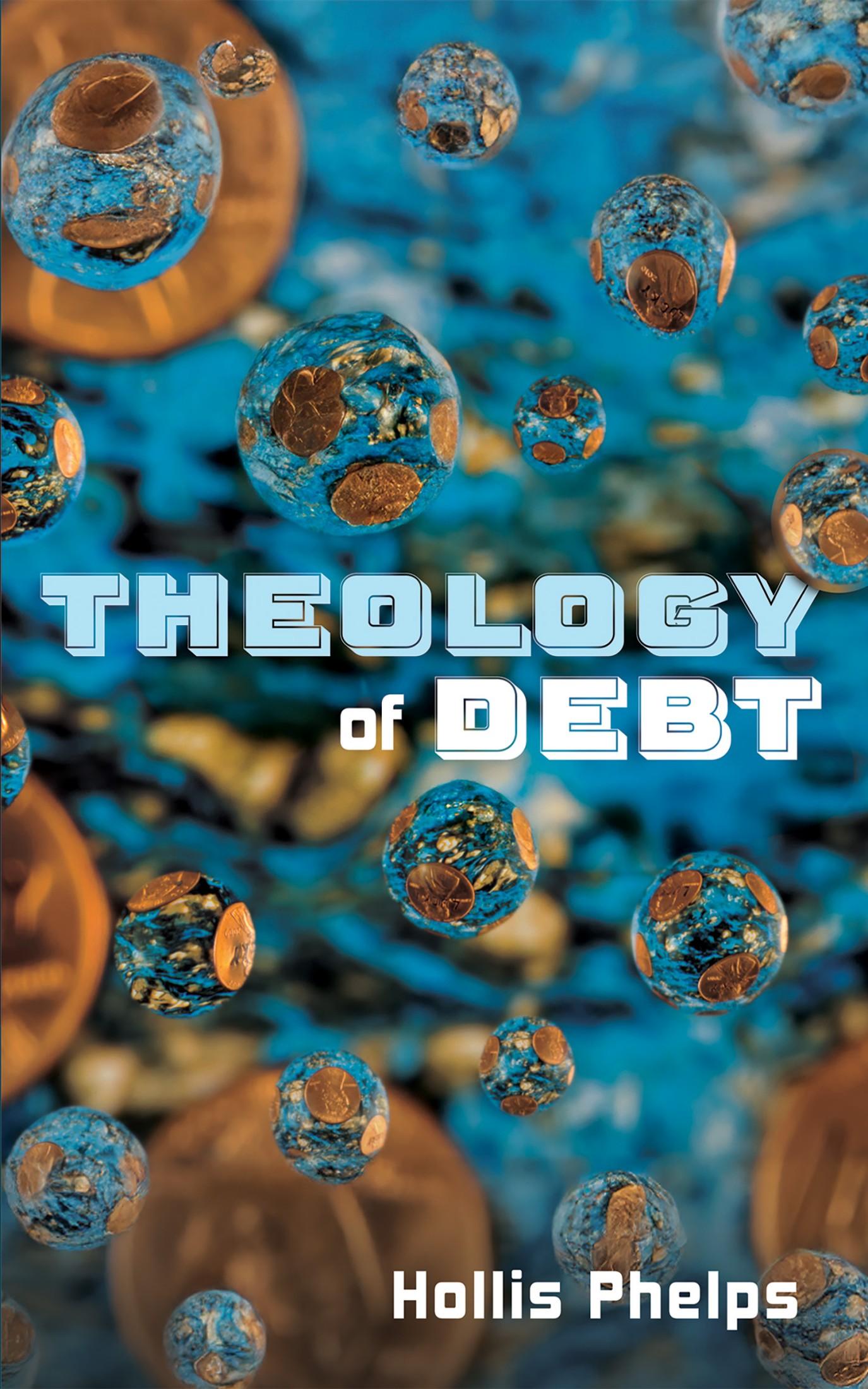
This book focuses on the various ways in which debt functions at theological and moral levels to create subjects, with chapters on the biblical jubilee tradition and usury, the gospels, Saint Paul, atonement theories in the early church, Anselm's satisfaction theory of atonement, and contemporary discussions of debt as a subjective mechanism. Phelps shows that debt and atonement as theological concepts are bound together, so to undermine debt as a subjective mechanism we need to undermine atonement theory as well, by desacralizing the latter. The goal of this book is to disrupt the sovereignty of debt over the creation and maintenance of subjectivity, so that we can think otherwise than and outside of the creditor-debtor relationship, both morally and theologically but also economically. Ultimately, the analysis presented over seven chapters incites us to rethink community and what form social life should take.
Payez facilement par carte, Klarna, Apple Pay ou Google Pay. Pas satisfait ? Vous avez toujours une garantie de remboursement de 14 jours. En savoir plus dans nos conditions. Si vous avez des questions, envoyez-nous un e-mail à hello@memmo.org.
Memmo facilite tes études, où que tu sois dans le monde. On rassemble tes manuels de cours et des outils d'étude intelligents au même endroit : résumés, quiz, podcasts et flashcards. Et il y a Ted, ton compagnon d'étude qui répond à toutes tes questions. Plus de 50 000 étudiants étudient déjà ici – conçu pour t'aider à apprendre plus vite et à moins stresser.
Tu pourrais aussi aimer
Acheter le livre0