
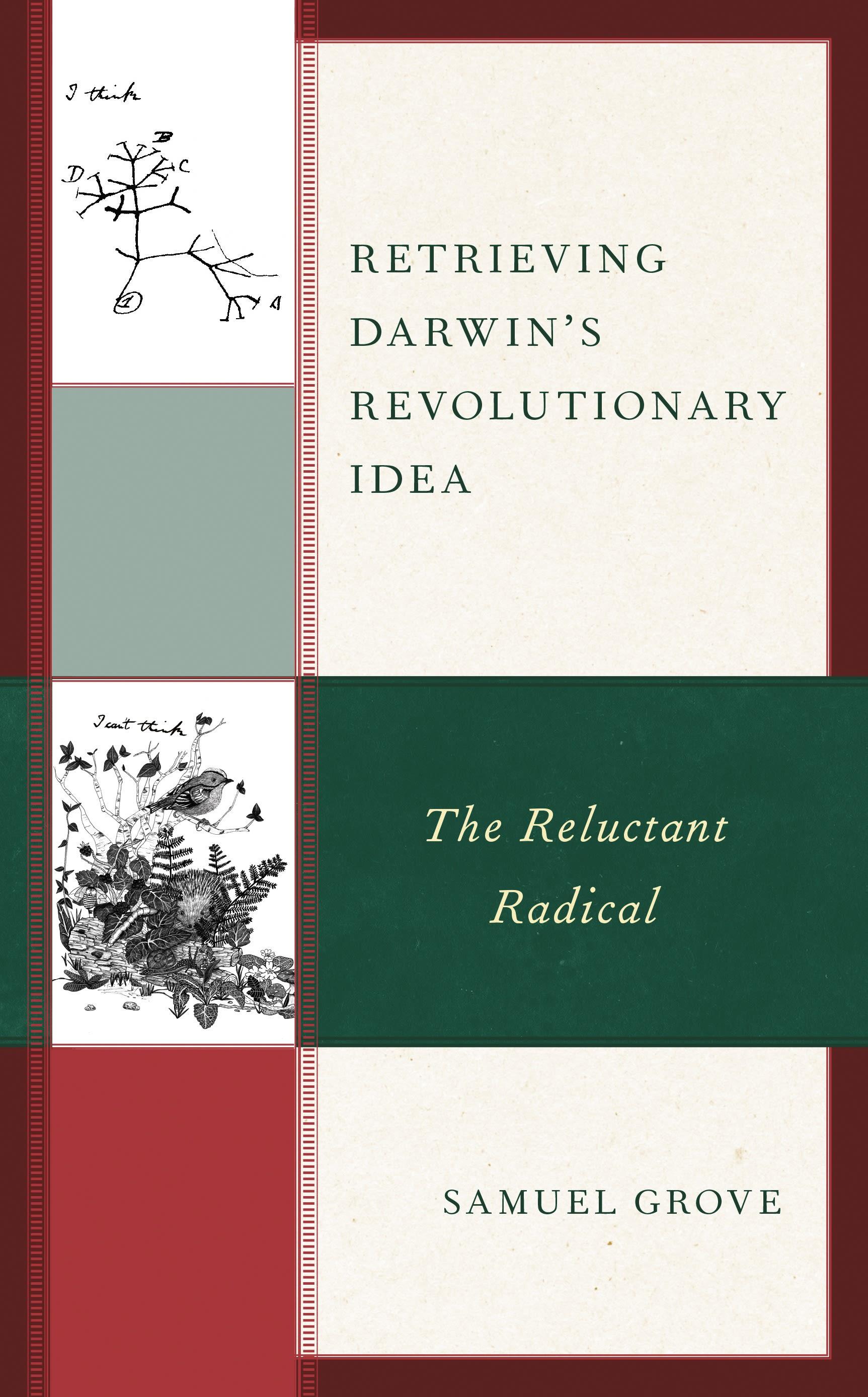
Darwin's discovery of evolution is as celebrated as Galileo's laws of motion or Newton's discovery of gravity. But this was only half the story. Not content to prove that evolution had happened, Darwin sought to convey its full humbling implications. Thus he formulated the theory of natural selection. Contrary to popular belief, this theory ran exactly counter to scientific reason and was consequently rejected by the scientific community of the time. This wasn’t the only reason Darwin’s critics recoiled. His theory robbed the ruling orders of any easy recourse to consolatory tales of nature’s harmony and design. The fate of his ideas, for the time being at least, would be left to the heretics he inspired in other domains. Darwin's radical thought anticipated Nietzsche's Godless philosophy, Marx's class-based economics and Freud's psychological theories of the unconscious. It would take a further 80 years for Darwinism to become accepted as mainstream science, but it came at the expense of its counter-scientific core. For the remainder of the twentieth century a popularized Darwinism would become the touchstone for backlash movements in philosophy, economics and psychology—disciplines he once so radicalized. This is the story of how the most revolutionary idea of the nineteenth century became the most reactionary idea of the twentieth.
Payez facilement par carte, Klarna, Apple Pay ou Google Pay. Pas satisfait ? Vous avez toujours une garantie de remboursement de 14 jours. En savoir plus dans nos conditions. Si vous avez des questions, envoyez-nous un e-mail à hello@memmo.org.
Memmo facilite tes études, où que tu sois dans le monde. On rassemble tes manuels de cours et des outils d'étude intelligents au même endroit : résumés, quiz, podcasts et flashcards. Et il y a Ted, ton compagnon d'étude qui répond à toutes tes questions. Plus de 50 000 étudiants étudient déjà ici – conçu pour t'aider à apprendre plus vite et à moins stresser.