
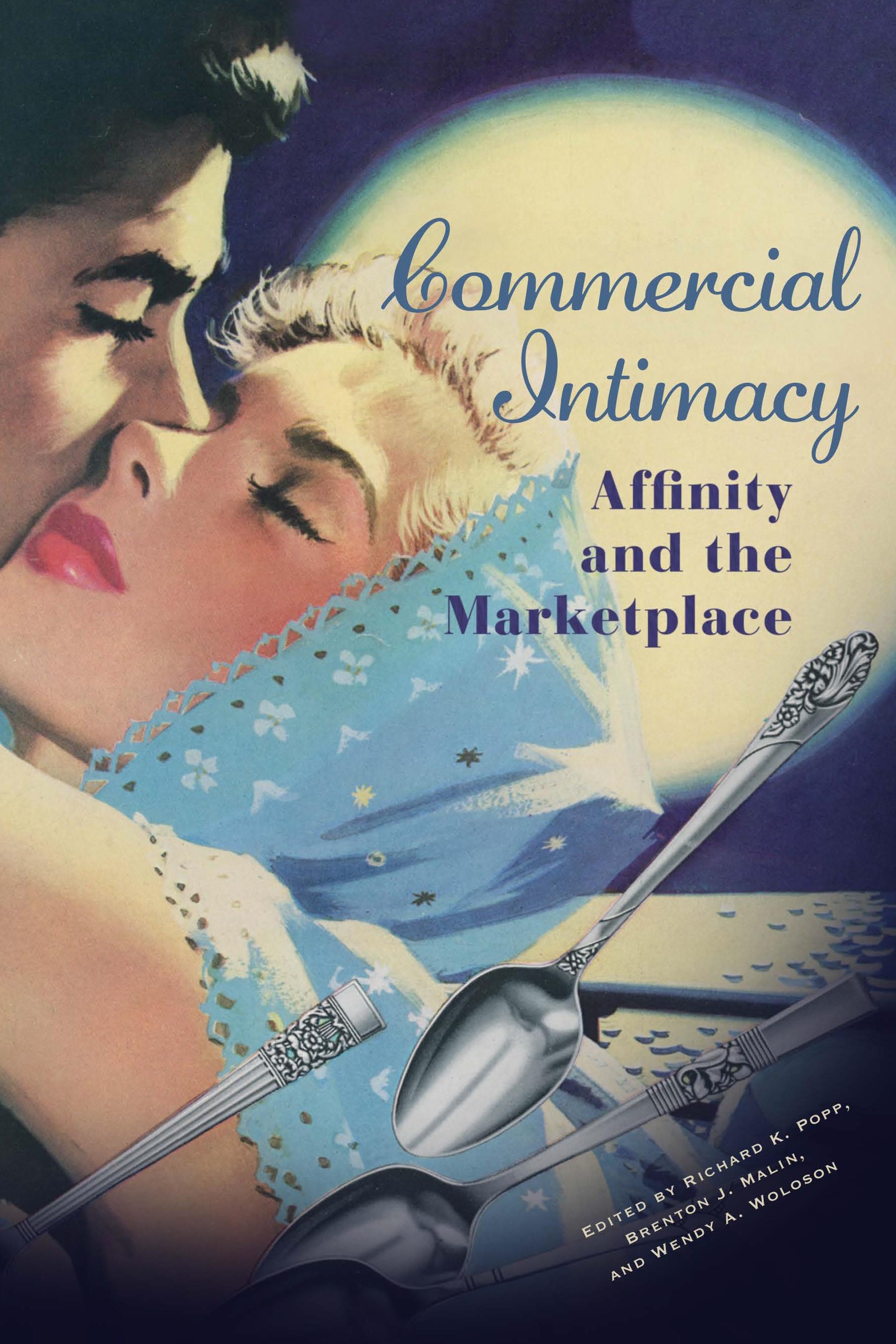
Explores how marketers have leveraged feelings of personal familiarity in modern consumer capitalism
Our wired world connects us with corporations in ways that, just a generation ago, would have been hard to imagine. Marketers track users’ habits down to the swipe and scroll; brand influencers reach out to followers in ever more personal ways. Yet, however much we may feel individually recognized (or targeted) by today’s marketers, the connections they make are, in truth, fleeting and tactical. They are also nothing new. Marketplace transactions have long been mediated by interactions that blur the line between the putatively public and rational world of commerce and the supposedly private and emotional realm of personal relations. That there is an affective tenor to every sales scenario has never been a secret to talented marketers.
How, exactly, marketers have tried to set those moods by endowing commercial relationships with an aura of personal affinity is the subject of Commercial Intimacy. Its chapters explore the broad theme of commercial intimacy (that is, market-based feelings of spatial and emotional closeness) in US consumer culture from the mid-nineteenth century to the late twentieth century. They show how experiences of intimacy have been orchestrated by marketers operating at a variety of distances, from the face-to-face solicitations made by retail clerks and direct-sales agents to the long-distance appeals made by mail-order merchants, print and TV advertisers, telemarketers, and e-commerce platforms. The volume pays especially close attention to how these revenue-minded acts of ingratiation worked, how they were shaped by the technologies behind them, and how they capitalized on contemporary dynamics of gender and sexuality. At the heart of this volume, then, is the question of how our understanding of business history changes when we take the emotional, sensational, and affective dynamics of intimacy to be foundational elements of commercial persuasion.
Contributors: Samuel Backer, Jennifer M. Black, Donna J. Drucker, Isabelle Marina Held, Julie A. Johnson, Lindsay Mitchell Keiter, Stephanie Kolberg, Brenton J. Malin, Cynthia B. Meyers, Richard K. Popp, Nicole E. Weber, Wendy A. Woloson.
Payez facilement par carte, Klarna, Apple Pay ou Google Pay. Pas satisfait ? Vous avez toujours une garantie de remboursement de 14 jours. En savoir plus dans nos conditions. Si vous avez des questions, envoyez-nous un e-mail à hello@memmo.org.
Memmo facilite tes études, où que tu sois dans le monde. On rassemble tes manuels de cours et des outils d'étude intelligents au même endroit : résumés, quiz, podcasts et flashcards. Et il y a Ted, ton compagnon d'étude qui répond à toutes tes questions. Plus de 50 000 étudiants étudient déjà ici – conçu pour t'aider à apprendre plus vite et à moins stresser.