
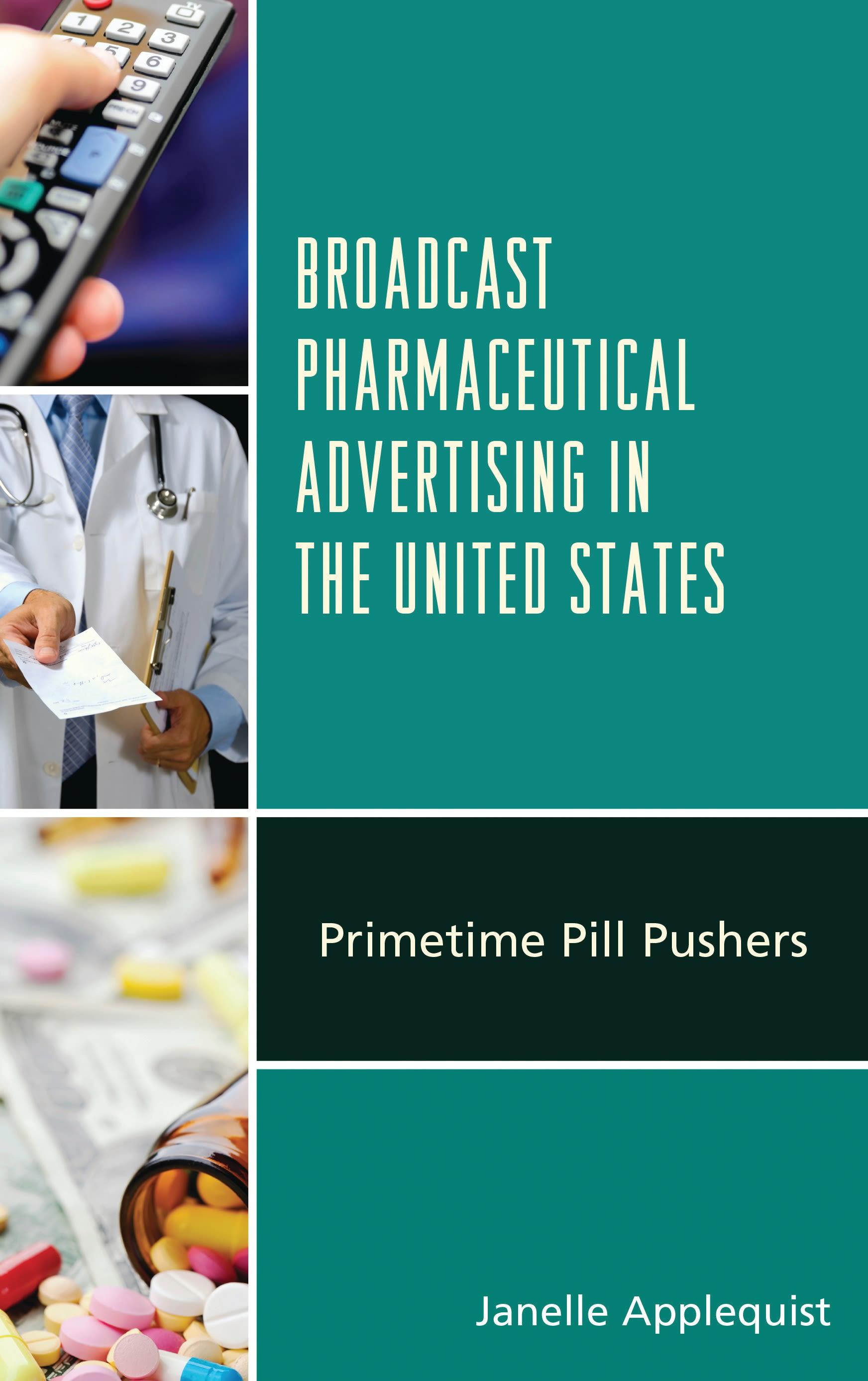
How often do we stop to recognize what pharmaceutical advertisements are telling us? Broadcast Pharmaceutical Advertising in the United States: Prime Time Pill Pushers engages with this question to include how pharmaceutical companies are shaping the meaning of drug interventions for individuals and the ways in which pharmaceutical advertisements frame issues of identity and representation for patients and health care. Such issues highlight how patients are being framed as consumers in these advertisements, which then permits the commodification of health care to be celebrated. Such a celebration has strong ideological implications, including definitions of “the good life,” patient agency, and the role of DTCAs in such depictions. By defining and discussing medicalization, pharmaceuticalization, and commodity fetishism, this book introduces how the term “pharmaceutical fetishism” can act as a means for describing the commodification of brand-name pharmaceutical drugs, which, via advertising and promotional culture, ignores large-scale production and for-profit motives of “big pharma.”
Payez facilement par carte, Klarna, Apple Pay ou Google Pay. Pas satisfait ? Vous avez toujours une garantie de remboursement de 14 jours. En savoir plus dans nos conditions. Si vous avez des questions, envoyez-nous un e-mail à hello@memmo.org.
Memmo facilite tes études, où que tu sois dans le monde. On rassemble tes manuels de cours et des outils d'étude intelligents au même endroit : résumés, quiz, podcasts et flashcards. Et il y a Ted, ton compagnon d'étude qui répond à toutes tes questions. Plus de 50 000 étudiants étudient déjà ici – conçu pour t'aider à apprendre plus vite et à moins stresser.