
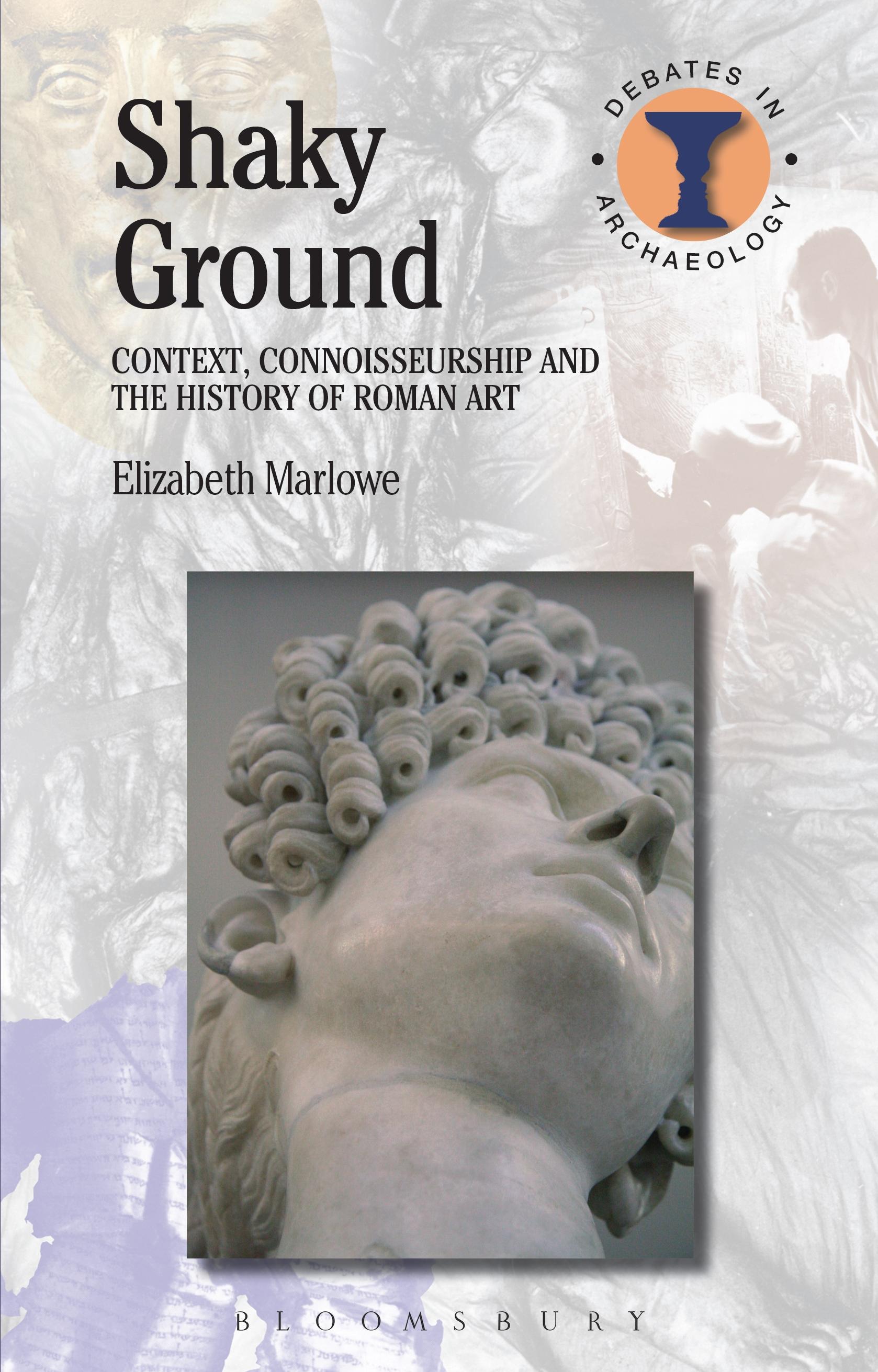
The recent crisis in the world of antiquities collecting has prompted scholars and the general public to pay more attention than ever before to the archaeological findspots and collecting histories of ancient artworks. This new scrutiny is applied to works currently on the market as well as to those acquired since (and despite) the 1970 UNESCO Convention, which aimed to prevent the trafficking in cultural property. When it comes to famous works that have been in major museums for many generations, however, the matter of their origins is rarely considered. Canonical pieces like the Barberini Togatus or the Fonseca bust of a Flavian lady appear in many scholarly studies and virtually every textbook on Roman art. But we have no more certainty about these works' archaeological contexts than we do about those that surface on the market today. This book argues that the current legal and ethical debates over looting, ownership and cultural property have distracted us from the epistemological problems inherent in all (ostensibly) ancient artworks lacking a known findspot, problems that should be of great concern to those who seek to understand the past through its material remains.
Payez facilement par carte, Klarna, Apple Pay ou Google Pay. Pas satisfait ? Vous avez toujours une garantie de remboursement de 14 jours. En savoir plus dans nos conditions. Si vous avez des questions, envoyez-nous un e-mail à hello@memmo.org.
Memmo facilite tes études, où que tu sois dans le monde. On rassemble tes manuels de cours et des outils d'étude intelligents au même endroit : résumés, quiz, podcasts et flashcards. Et il y a Ted, ton compagnon d'étude qui répond à toutes tes questions. Plus de 50 000 étudiants étudient déjà ici – conçu pour t'aider à apprendre plus vite et à moins stresser.