
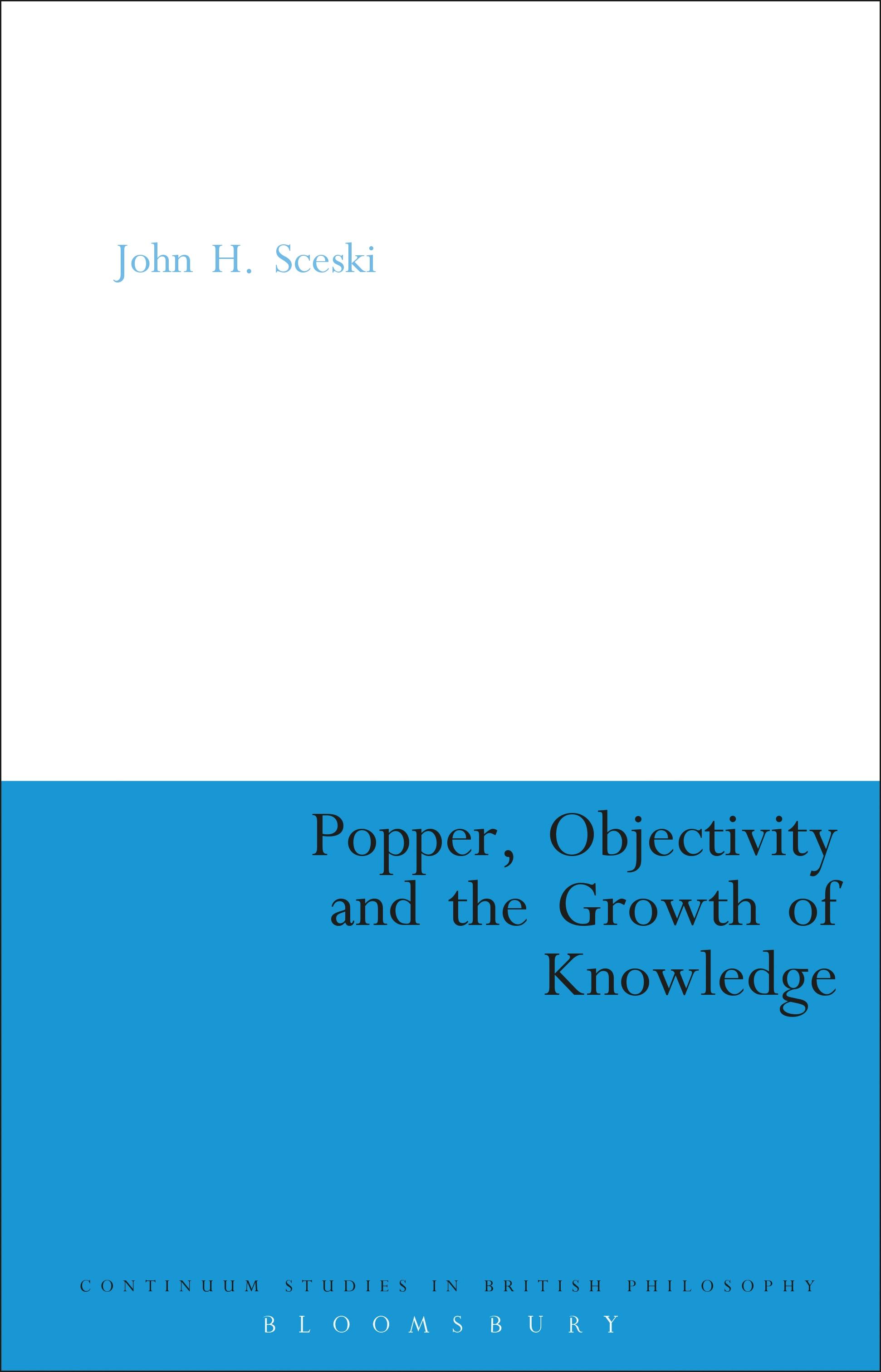
John H. Sceski argues that Karl Popper's philosophy offers a radical treatment of objectivity that can reconcile freedom and progress in a manner that preserves the best elements of the Enlightenment tradition. His book traces the development of Popper's account of objectivity by examining his original contributions to key issues in the philosophy of science. Popper's early confrontation with logical positivism, his rarely discussed four-fold treatment of the problem of induction, and his theory of propensities and evolutionary epistemology are linked in a novel way to produce a coherent and philosophically relevant picture of objectivity. Sceski also explores and clarifies many central issues in the philosophy of science such as probabilistic support, verisimilitude, and the relationship between special relativity and indeterminism. He concludes that Popper's account of objectivity can best bridge the gap between Enlightenment aims for science and freedom and post-modern misgivings about 'truth', by developing a philosophy that is non-foundationalist yet able to account for the growth of knowledge.
Payez facilement par carte, Klarna, Apple Pay ou Google Pay. Pas satisfait ? Vous avez toujours une garantie de remboursement de 14 jours. En savoir plus dans nos conditions. Si vous avez des questions, envoyez-nous un e-mail à hello@memmo.org.
Memmo facilite tes études, où que tu sois dans le monde. On rassemble tes manuels de cours et des outils d'étude intelligents au même endroit : résumés, quiz, podcasts et flashcards. Et il y a Ted, ton compagnon d'étude qui répond à toutes tes questions. Plus de 50 000 étudiants étudient déjà ici – conçu pour t'aider à apprendre plus vite et à moins stresser.