
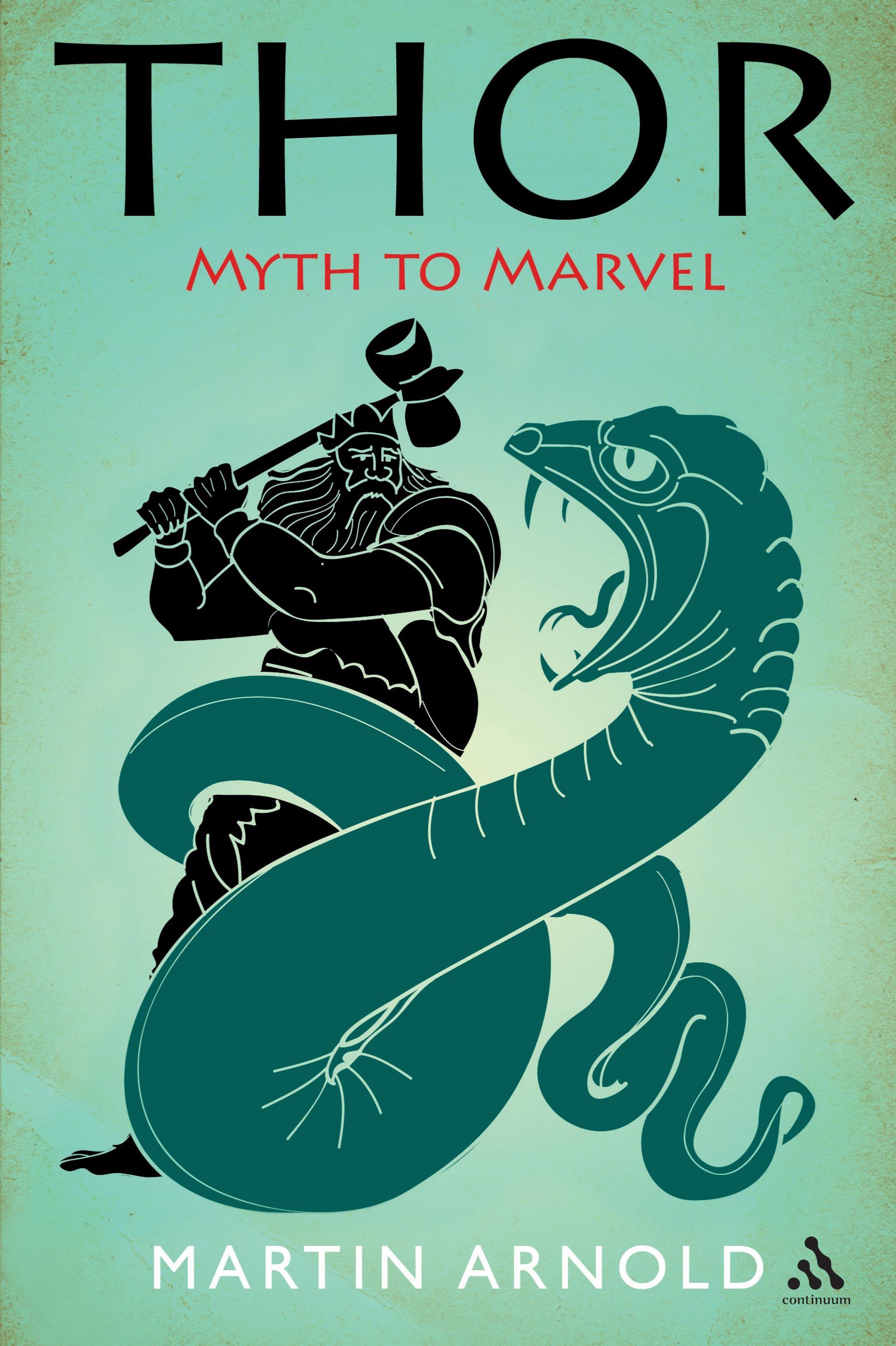
The myths of the Norse god Thor were preserved in the Icelandic Eddas, set down in the early Middle Ages. The bane of giants and trolls, Thor was worshipped as the last line of defence against all that threatened early Nordic society. Thor's significance persisted long after the Christian conversion and, in the mid-eighteenth century, Thor resumed a symbolic prominence among northern countries. Admired and adopted in Scandinavia and Germany, he became central to the rhetoric of national romanticism and to more belligerent assertions of nationalism. Resurrected in the latter part of the twentieth century in Marvel Magazine, Thor was further transformed into an articulation both of an anxious male sexuality and of a parallel nervousness regarding American foreign policy. Martin Arnold explores the extraordinary regard in which Thor has been held since medieval times and considers why and how his myth has been adopted, adapted and transformed.
Payez facilement par carte, Klarna, Apple Pay ou Google Pay. Pas satisfait ? Vous avez toujours une garantie de remboursement de 14 jours. En savoir plus dans nos conditions. Si vous avez des questions, envoyez-nous un e-mail à hello@memmo.org.
Memmo facilite tes études, où que tu sois dans le monde. On rassemble tes manuels de cours et des outils d'étude intelligents au même endroit : résumés, quiz, podcasts et flashcards. Et il y a Ted, ton compagnon d'étude qui répond à toutes tes questions. Plus de 50 000 étudiants étudient déjà ici – conçu pour t'aider à apprendre plus vite et à moins stresser.