
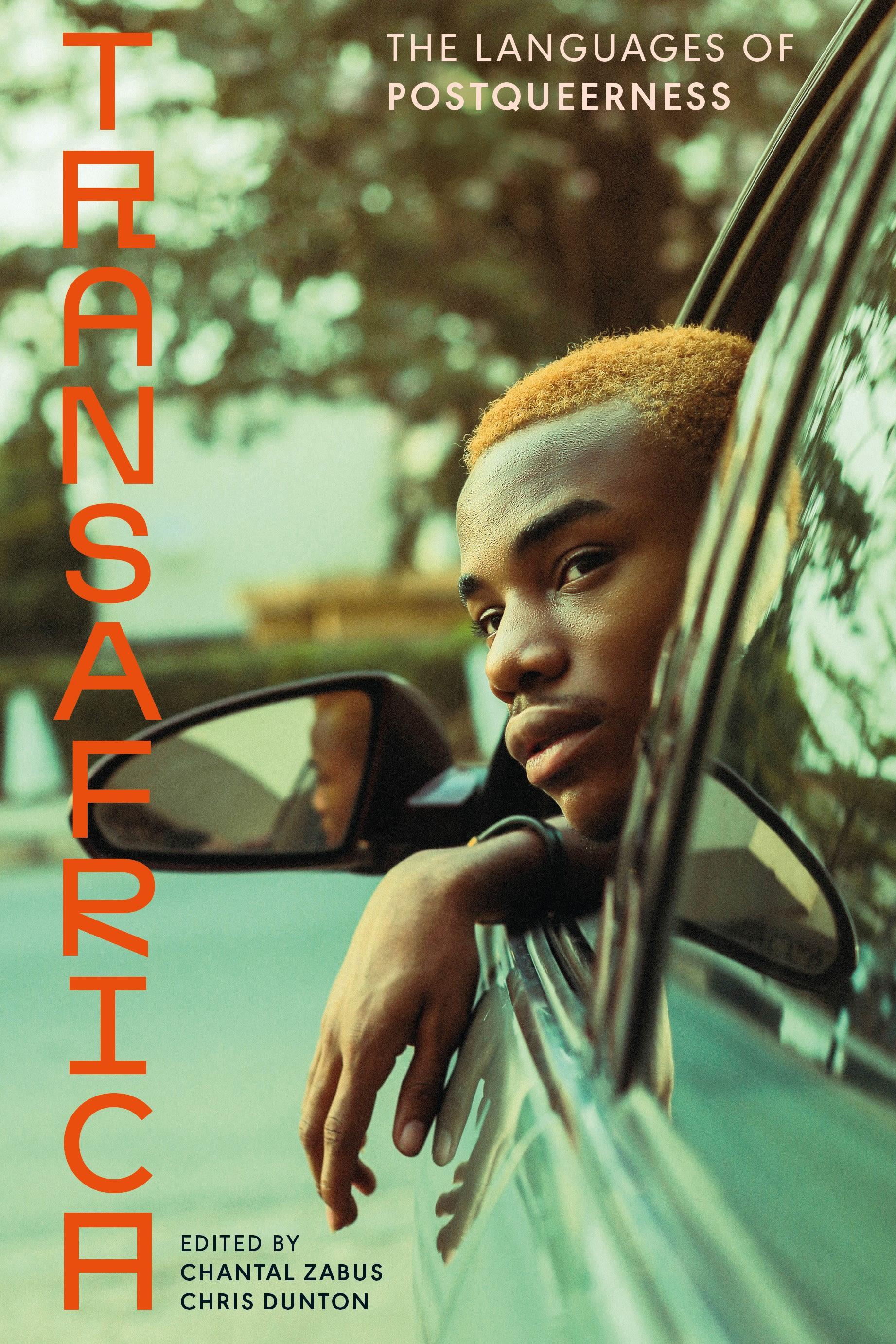
Transafrica explores this new lexical culture in cultural materials (novels, poetry, testimonies/life stories, interviews, film, visual art) in English, French, Arabic and other selected African languages, and the meanings which Africans have transnationally conferred upon “queer” and “transgender"-from North to South. Gender nonconformity and sexual dissidence on the African continent has produced a lexical culture at the crossroads of Western discourse and local African naming practices.
Transafrica is an unprecedented attempt at identifying the new vocabularies which queer and transgender Africans have used in the first two decades of the 21st century to refer to themselves and narrativize their desire, in the face of official narratives by medical doctors, and legal and religious authorities that have often been prioritized over a gender-variant (queer, trans, non-binary) individual's lived experience, resulting in a systemic disempowerment.
Using case studies from Morocco, Egypt, Somalia, Nigeria, Uganda, Madagascar, Botswana, South Africa and more, Transafrica draws conclusions for a culture-specific and history-specific type of gender diversity outside of Western epistemic borders while confronting Euro-American models, thereby auguring a turn-of-the-third-millennium postqueer set of African open-ended identities.
Transafrica is an unprecedented attempt at identifying the new vocabularies which queer and transgender Africans have used in the first two decades of the 21st century to refer to themselves and narrativize their desire, in the face of official narratives by medical doctors, and legal and religious authorities that have often been prioritized over a gender-variant (queer, trans, non-binary) individual's lived experience, resulting in a systemic disempowerment.
Using case studies from Morocco, Egypt, Somalia, Nigeria, Uganda, Madagascar, Botswana, South Africa and more, Transafrica draws conclusions for a culture-specific and history-specific type of gender diversity outside of Western epistemic borders while confronting Euro-American models, thereby auguring a turn-of-the-third-millennium postqueer set of African open-ended identities.
Payez facilement par carte, Klarna, Apple Pay ou Google Pay. Pas satisfait ? Vous avez toujours une garantie de remboursement de 14 jours. En savoir plus dans nos conditions. Si vous avez des questions, envoyez-nous un e-mail à hello@memmo.org.
Memmo facilite tes études, où que tu sois dans le monde. On rassemble tes manuels de cours et des outils d'étude intelligents au même endroit : résumés, quiz, podcasts et flashcards. Et il y a Ted, ton compagnon d'étude qui répond à toutes tes questions. Plus de 50 000 étudiants étudient déjà ici – conçu pour t'aider à apprendre plus vite et à moins stresser.