
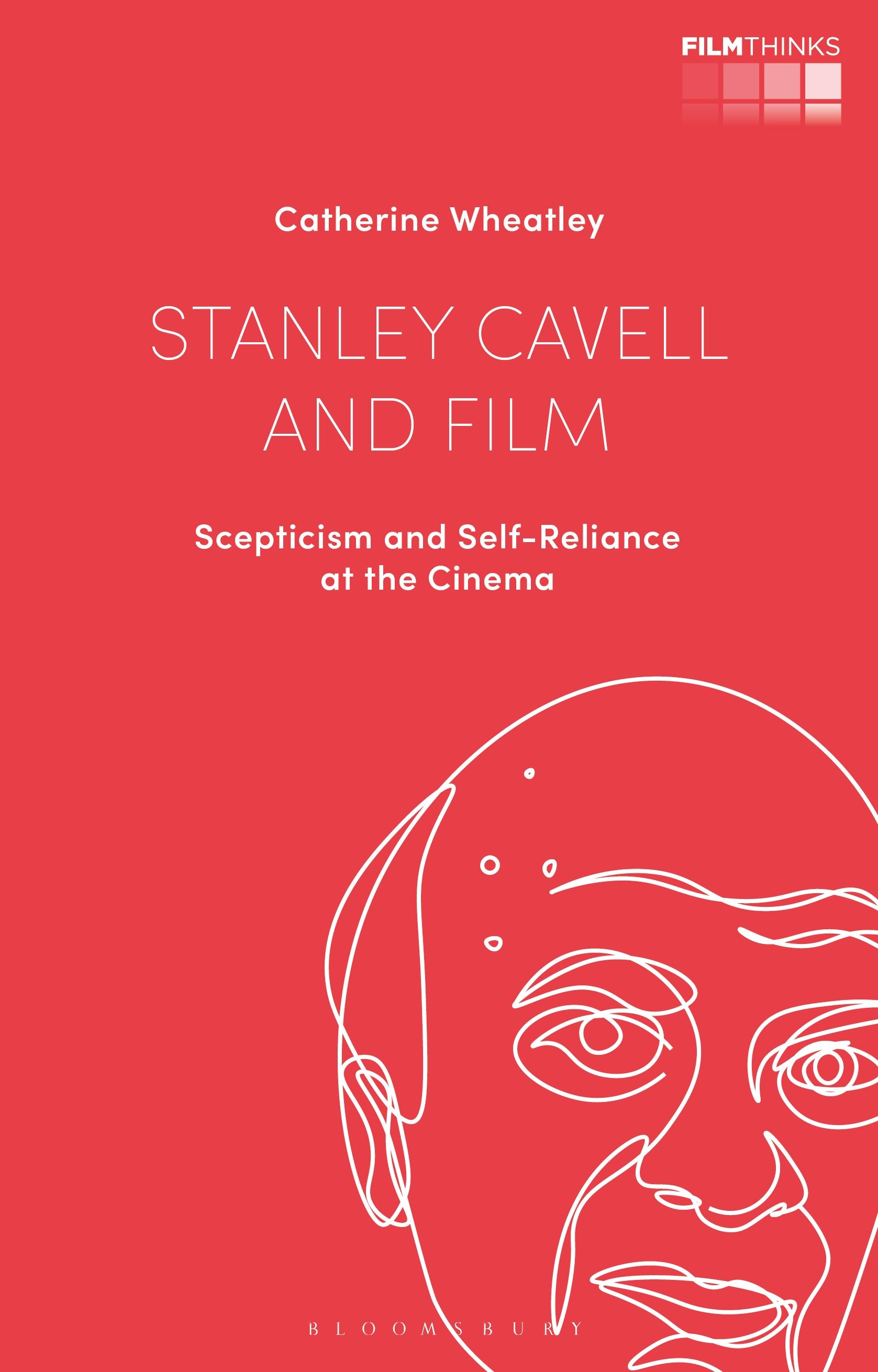
“Film is made for philosophy,” asserted Stanley Cavell. In addition to his work on scepticism, morality, and the intentions and meanings of ordinary language, the American philosopher wrote fascinatingly about cinema, arguing that film can reveal new ground for thinking through old philosophical problems.
In this book, Catherine Wheatley draws upon Cavell's explicitly film-inspired works, key philosophical concepts and autobiographical writings, examining his analyses of films from Hollywood's Golden Age, the French New Wave, contemporary action cinema, silent film heroes Chaplin and Keaton, directors Cocteau and Hitchcock, and performers Greta Garbo and Ginger Rogers. Revealing the ways in which Cavell's thinking was shaped by the movies, Wheatly poses the question: what was it about film that taught the philosopher how best to live in the world?
In this book, Catherine Wheatley draws upon Cavell's explicitly film-inspired works, key philosophical concepts and autobiographical writings, examining his analyses of films from Hollywood's Golden Age, the French New Wave, contemporary action cinema, silent film heroes Chaplin and Keaton, directors Cocteau and Hitchcock, and performers Greta Garbo and Ginger Rogers. Revealing the ways in which Cavell's thinking was shaped by the movies, Wheatly poses the question: what was it about film that taught the philosopher how best to live in the world?
Payez facilement par carte, Klarna, Apple Pay ou Google Pay. Pas satisfait ? Vous avez toujours une garantie de remboursement de 14 jours. En savoir plus dans nos conditions. Si vous avez des questions, envoyez-nous un e-mail à hello@memmo.org.
Memmo facilite tes études, où que tu sois dans le monde. On rassemble tes manuels de cours et des outils d'étude intelligents au même endroit : résumés, quiz, podcasts et flashcards. Et il y a Ted, ton compagnon d'étude qui répond à toutes tes questions. Plus de 50 000 étudiants étudient déjà ici – conçu pour t'aider à apprendre plus vite et à moins stresser.