
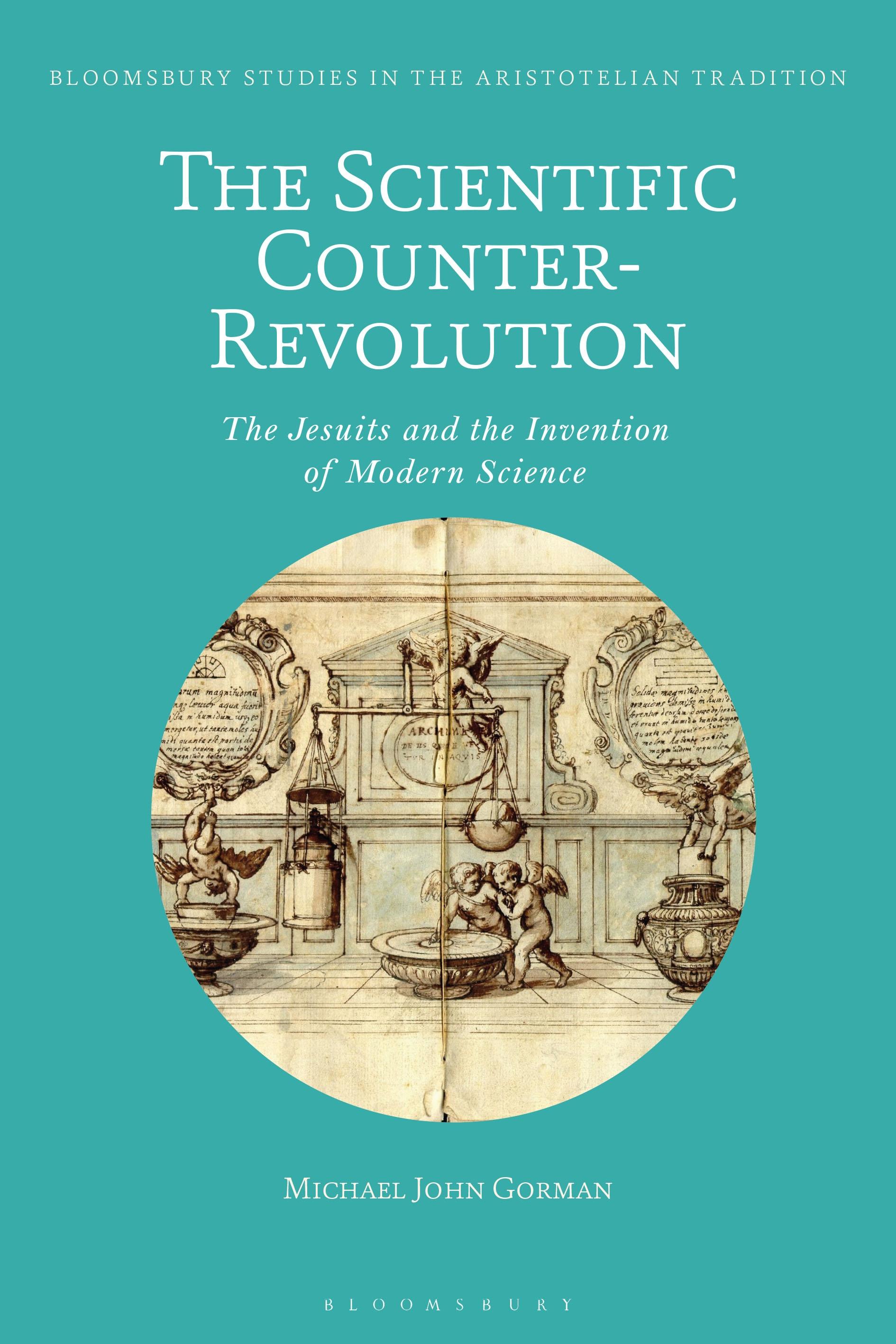
Jesuit engagement with natural philosophy during the late 16th and early 17th centuries transformed the status of the mathematical disciplines and propelled members of the Order into key areas of controversy in relation to Aristotelianism. Through close investigation of the activities of the Jesuit 'school' of mathematics founded by Christoph Clavius, The Scientific Counter-Revolution examines the Jesuit connections to the rise of experimental natural philosophy and the emergence of the early scientific societies.
Arguing for a re-evaluation of the role of Jesuits in shaping early modern science, this book traces the evolution of the Collegio Romano as a hub of knowledge. Starting with an examination of Clavius's Counter-Reformation agenda for mathematics, Michael John Gorman traces the development of a collective Jesuit approach to experimentation and observation under Christopher Grienberger and analyses the Jesuit role in the Galileo Affair and the vacuum debate. Ending with a discussion of the transformation of the Collegio Romano under Athanasius Kircher into a place of curiosity and wonder and the centre of a global information gathering network, this book reveals how the Counter-Reformation goals of the Jesuits contributed to the shaping of modern experimental science.
Arguing for a re-evaluation of the role of Jesuits in shaping early modern science, this book traces the evolution of the Collegio Romano as a hub of knowledge. Starting with an examination of Clavius's Counter-Reformation agenda for mathematics, Michael John Gorman traces the development of a collective Jesuit approach to experimentation and observation under Christopher Grienberger and analyses the Jesuit role in the Galileo Affair and the vacuum debate. Ending with a discussion of the transformation of the Collegio Romano under Athanasius Kircher into a place of curiosity and wonder and the centre of a global information gathering network, this book reveals how the Counter-Reformation goals of the Jesuits contributed to the shaping of modern experimental science.
Payez facilement par carte, Klarna, Apple Pay ou Google Pay. Pas satisfait ? Vous avez toujours une garantie de remboursement de 14 jours. En savoir plus dans nos conditions. Si vous avez des questions, envoyez-nous un e-mail à hello@memmo.org.
Memmo facilite tes études, où que tu sois dans le monde. On rassemble tes manuels de cours et des outils d'étude intelligents au même endroit : résumés, quiz, podcasts et flashcards. Et il y a Ted, ton compagnon d'étude qui répond à toutes tes questions. Plus de 50 000 étudiants étudient déjà ici – conçu pour t'aider à apprendre plus vite et à moins stresser.