
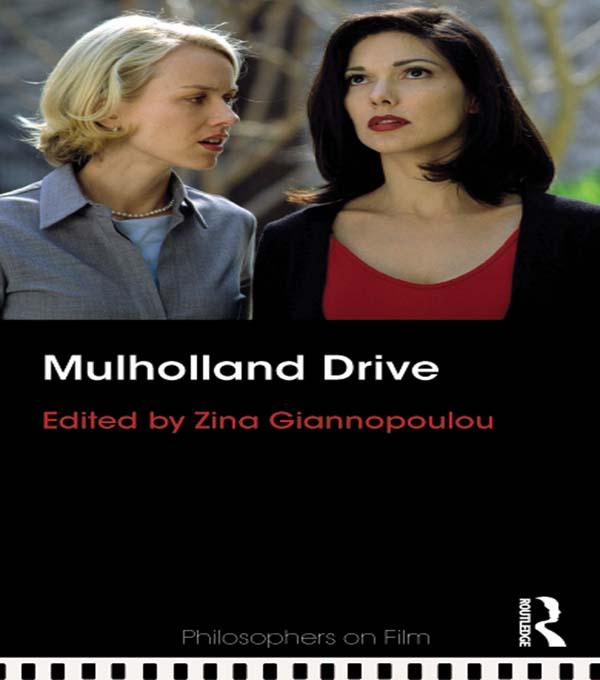
Beloved by film and art aficionados and fans of neo-noir cinema, Mulholland Drive is one of the most important and enigmatic films of recent years. It occupies a central and controversial position in the work of its director, David Lynch, who won the best director award at the 2001 Cannes Film Festival for the movie.
Mulholland Drive in the Routledge Philosophers on Film series is the first full philosophical appraisal of Lynch's film. Beginning with an introduction by the editor, the volume explores the following topics:
- the identity of the self and its persistence through time
- the central, dual roles played by fantasy and reality throughout the film
- whether Mulholland Drive is best understood epistemologically via reason and language, or whether, as Lynch himself argues, by one's 'inner feelings' and emotions
- parallels between Mulholland Drive and Kafka's The Castle, both of which pit their protagonists at the mercy of unseen forces
- Mulholland Drive and romanticism.
Additional key themes are also discussed, such as the interpenetration of ethics, classical tragedy, and the contrasting philosophical arguments of Plato and Nietzsche on tragic drama. These themes make Mulholland Drive essential and engaging reading for students of philosophy, especially aesthetics and ethics, as well as film studies.
Payez facilement par carte, Klarna, Apple Pay ou Google Pay. Pas satisfait ? Vous avez toujours une garantie de remboursement de 14 jours. En savoir plus dans nos conditions. Si vous avez des questions, envoyez-nous un e-mail à hello@memmo.org.
Memmo facilite tes études, où que tu sois dans le monde. On rassemble tes manuels de cours et des outils d'étude intelligents au même endroit : résumés, quiz, podcasts et flashcards. Et il y a Ted, ton compagnon d'étude qui répond à toutes tes questions. Plus de 50 000 étudiants étudient déjà ici – conçu pour t'aider à apprendre plus vite et à moins stresser.