
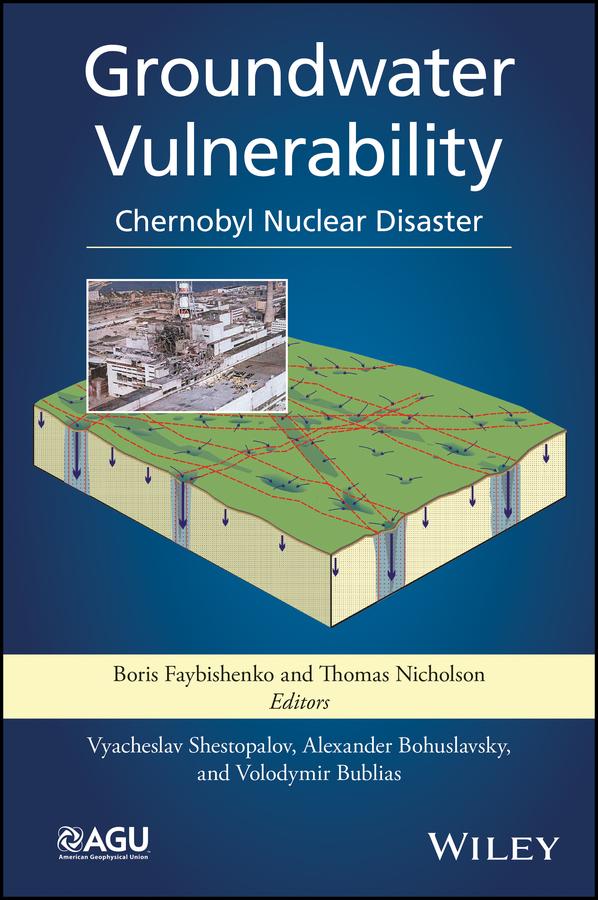
The Chernobyl Nuclear Power Plant (NPP) disaster that occurred in Ukraine on April 26, 1986, was one of the most devastating in human history. Using this as a case study, the AGU monograph Groundwater Vulnerability: Chernobyl Nuclear Disaster is devoted to the problem of groundwater vulnerability, where the results of long-term field and modeling investigations of radionuclide transport in soil and groundwater, within the Ukrainian part of the Dnieper River basin (Kyiv region of Ukraine), are discussed. The authors provide a comprehensive review of existing literature on the assessment of groundwater vulnerability and then describe an improved methodology, which is developed based on integration of the methods of hydrogeological zonation and modeling of anomalously fast migration of radioactive contaminants from the land surface toward groundwater. This volume also includes the evaluation of the effect of preferential and episodic flow on transport of radionuclides toward the aquifers and risk assessment of groundwater vulnerability, which can further assist future researchers in developing remediation technologies for improving drinking water quality. Further, this volume sheds light on the consequences of groundwater contamination from nuclear disasters and assists with assessing the risks associated with contamination and developing effective remediation technologies.
Volume highlights include discussions of the following:
- Assessment of groundwater vulnerability to contamination from the Chernobyl nuclear disaster
- Novel analytical results of the 25-year investigations of groundwater contamination caused by Chernobyl-born radionuclides
- The wealth of data on different modes of radioactive transport in the atmosphere, water, and soils, and along the food chains
- The hydrogeological and physico-chemical processes and factors in groundwater contaminated zones
- The applicability of commonly used methods of the evaluation of groundwater vulnerability
- A unique method of fluid dynamics that involves an anomalously fast migration of contaminants through zones of preferential flow from the land surface toward groundwater
- Building confidence in the assessment of migration pathways of radionuclides in the biosphere
- Assessment and prediction of the consequences of the nuclear accident, which can shed light on protection from global nuclear accidents
- Analogue information for different nuclear waste disposal and environmental projects around the world
Payez facilement par carte, Klarna, Apple Pay ou Google Pay. Pas satisfait ? Vous avez toujours une garantie de remboursement de 14 jours. En savoir plus dans nos conditions. Si vous avez des questions, envoyez-nous un e-mail à hello@memmo.org.
Memmo facilite tes études, où que tu sois dans le monde. On rassemble tes manuels de cours et des outils d'étude intelligents au même endroit : résumés, quiz, podcasts et flashcards. Et il y a Ted, ton compagnon d'étude qui répond à toutes tes questions. Plus de 50 000 étudiants étudient déjà ici – conçu pour t'aider à apprendre plus vite et à moins stresser.