
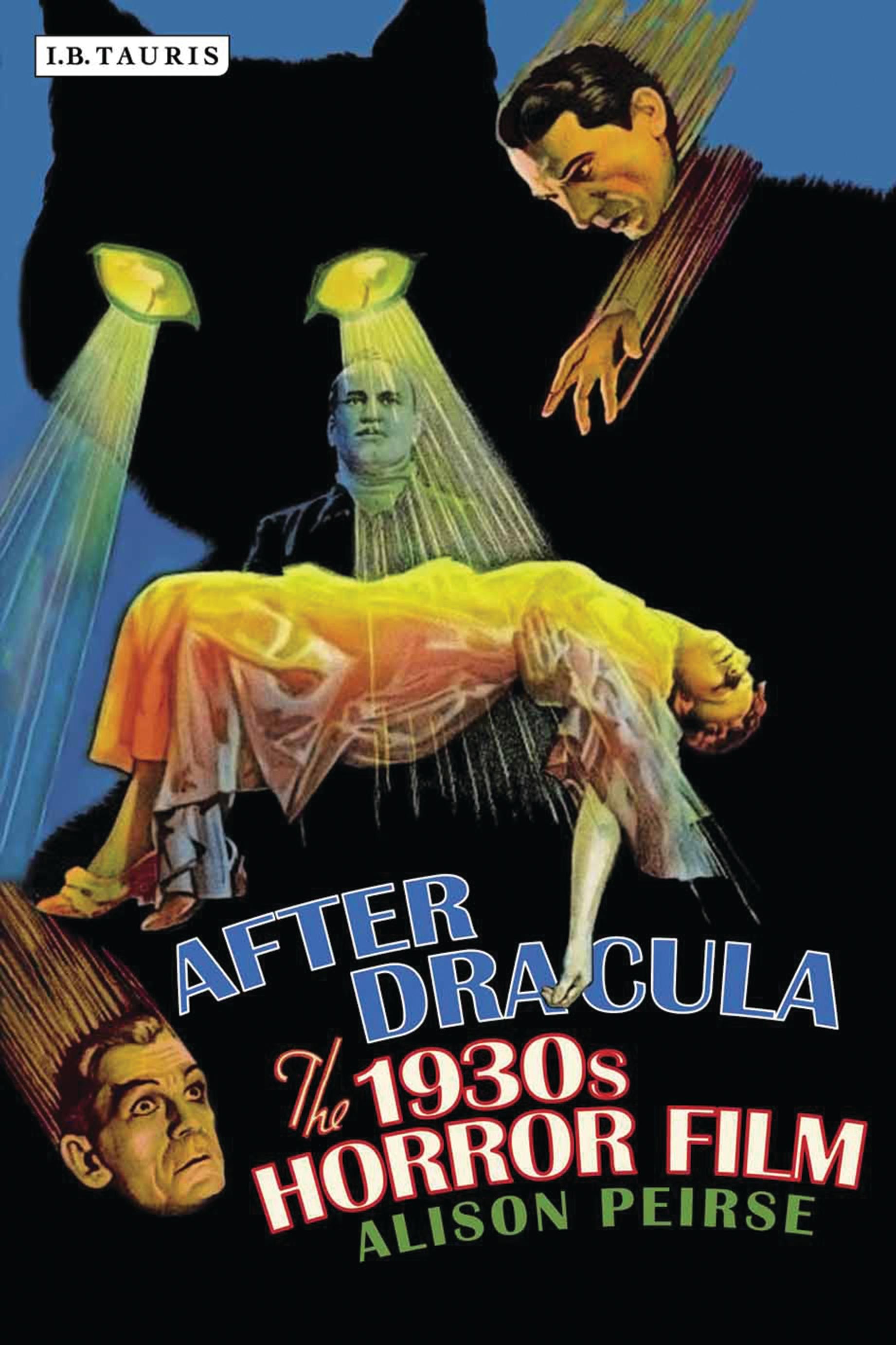
After Dracula tells of films set in London music halls and Yorkshire coal mines, South Sea Islands and Hungarian modernist houses of horror, with narrators that survey the outskirts of contemporary Paris and travel back in time to ancient Egypt. Alison Peirse argues that Dracula (1931) has been canonised to the detriment of other innovative and original 1930s horror films in Europe and America. By casting out the deified vampire, she reveals a cycle of films made over the 1930s that straddle both the pre- and post-regulatory era of the Hays Production Code an stringent censorship from the British Board of Film Censors. These films are indepenedent and studio productions, literary adaptations, folktales and original screenplays, and include Werewolf of London, The Man Who Changed His Mind, Island of Lost Souls and Vampyr. The book considers the horror genre's international evolution during this period, engaging with a number of European horror films that have hitherto received cursory attention. It focuses on the interplay between Continental, British and transatlantic contexts, and particularly on the intriguing, the obscure and the underrated.
Payez facilement par carte, Klarna, Apple Pay ou Google Pay. Pas satisfait ? Vous avez toujours une garantie de remboursement de 14 jours. En savoir plus dans nos conditions. Si vous avez des questions, envoyez-nous un e-mail à hello@memmo.org.
Memmo facilite tes études, où que tu sois dans le monde. On rassemble tes manuels de cours et des outils d'étude intelligents au même endroit : résumés, quiz, podcasts et flashcards. Et il y a Ted, ton compagnon d'étude qui répond à toutes tes questions. Plus de 50 000 étudiants étudient déjà ici – conçu pour t'aider à apprendre plus vite et à moins stresser.