
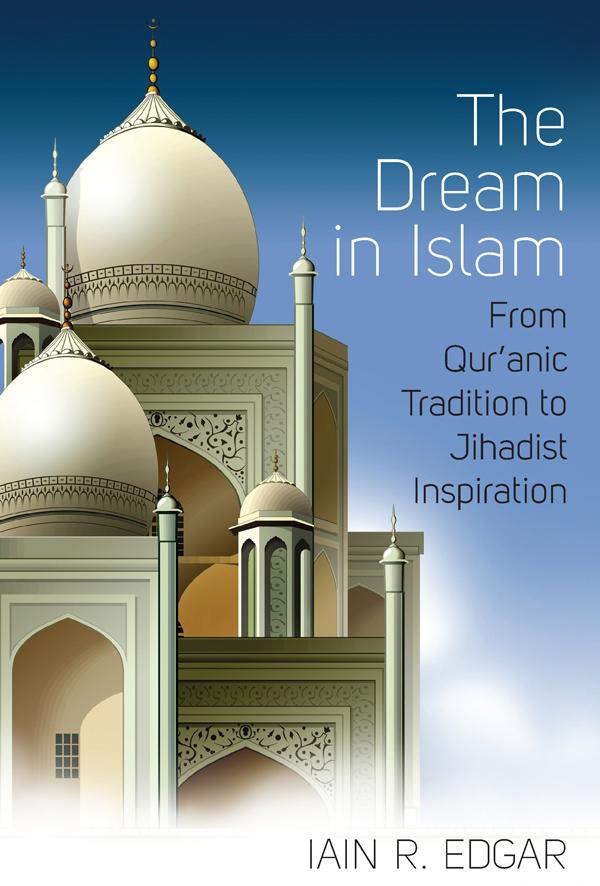
The war in the Middle East is marked by a lack of cultural knowledge on the part of the western forces, and this book deals with another, widely ignored element of Islam—the role of dreams in everyday life. The practice of using night dreams to make important life decisions can be traced to Middle Eastern dream traditions and practices that preceded the emergence of Islam. In this study, the author explores some key aspects of Islamic dream theory and interpretation as well as the role and significance of night dreams for contemporary Muslims. In his analysis of the Islamic debates surrounding the role of “true” dreams in historical and contemporary Islamic prophecy, the author specifically addresses the significance of Al-Qaeda and Taliban dream practices and ideology. Dreams of “heaven,” for example, are often instrumental in determining Jihadist suicidal action, and “heavenly” dreams are also evidenced within other contemporary human conflicts such as Israel–Palestine and Kosovo–Serbia. By exploring patterns of dreams within this context, a cross-cultural, psychological, and experiential understanding of the role and significance of such contemporary critical political and personal imagery can be achieved.
Payez facilement par carte, Klarna, Apple Pay ou Google Pay. Pas satisfait ? Vous avez toujours une garantie de remboursement de 14 jours. En savoir plus dans nos conditions. Si vous avez des questions, envoyez-nous un e-mail à hello@memmo.org.
Memmo facilite tes études, où que tu sois dans le monde. On rassemble tes manuels de cours et des outils d'étude intelligents au même endroit : résumés, quiz, podcasts et flashcards. Et il y a Ted, ton compagnon d'étude qui répond à toutes tes questions. Plus de 50 000 étudiants étudient déjà ici – conçu pour t'aider à apprendre plus vite et à moins stresser.