
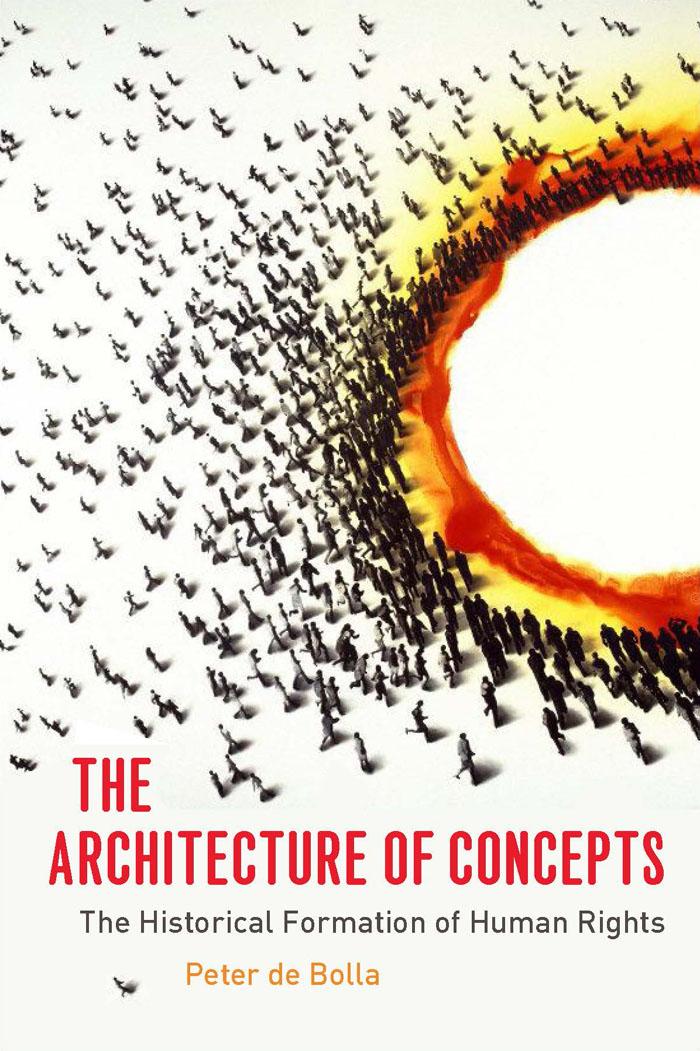
The Architecture of Concepts proposes a radically new way of understanding the history of ideas. Taking as its example human rights, it develops a distinctive kind of conceptual analysis that enables us to see with precision how the concept of human rights was formed in the eighteenth century.
The first chapter outlines an innovative account of concepts as cultural entities. The second develops an original methodology for recovering the historical formation of the concept of human rights based on data extracted from digital archives. This enables us to track the construction of conceptual architectures over time.
Having established the architecture of the concept of human rights, the book then examines two key moments in its historical formation: the First Continental Congress in 1775 and the publication of Tom Paine’s Rights of Man in 1792. Arguing that we have yet to fully understand or appreciate the consequences of the eighteenth-century invention of the concept “rights of man,” the final chapter addresses our problematic contemporary attempts to leverage human rights as the most efficacious way of achieving universal equality.
Payez facilement par carte, Klarna, Apple Pay ou Google Pay. Pas satisfait ? Vous avez toujours une garantie de remboursement de 14 jours. En savoir plus dans nos conditions. Si vous avez des questions, envoyez-nous un e-mail à hello@memmo.org.
Memmo facilite tes études, où que tu sois dans le monde. On rassemble tes manuels de cours et des outils d'étude intelligents au même endroit : résumés, quiz, podcasts et flashcards. Et il y a Ted, ton compagnon d'étude qui répond à toutes tes questions. Plus de 50 000 étudiants étudient déjà ici – conçu pour t'aider à apprendre plus vite et à moins stresser.