
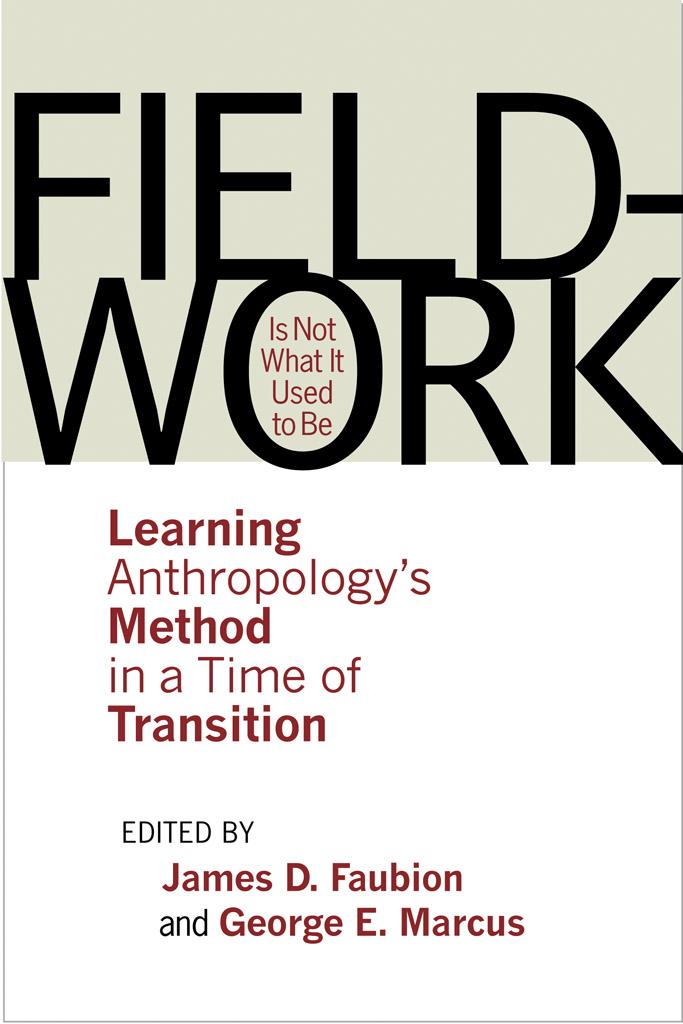
Over the past two decades anthropologists have been challenged to rethink the nature of ethnographic research, the meaning of fieldwork, and the role of ethnographers. Ethnographic fieldwork has cultural, social, and political ramifications that have been much discussed and acted upon, but the training of ethnographers still follows a very traditional pattern; this volume engages and takes its point of departure in the experiences of ethnographers-in-the-making that encourage alternative models for professional training in fieldwork and its intellectual contexts.
The work done by contributors to Fieldwork Is Not What It Used to Be articulates, at the strategic point of career-making research, features of this transformation in progress. Setting aside traditional anxieties about ethnographic authority, the authors revisit fieldwork with fresh initiative. In search of better understandings of the contemporary research process itself, they assess the current terms of the engagement of fieldworkers with their subjects, address the constructive, open-ended forms by which the conclusions of fieldwork might take shape, and offer an accurate and useful description of what it means to become—and to be—an anthropologist today.
Payez facilement par carte, Klarna, Apple Pay ou Google Pay. Pas satisfait ? Vous avez toujours une garantie de remboursement de 14 jours. En savoir plus dans nos conditions. Si vous avez des questions, envoyez-nous un e-mail à hello@memmo.org.
Memmo facilite tes études, où que tu sois dans le monde. On rassemble tes manuels de cours et des outils d'étude intelligents au même endroit : résumés, quiz, podcasts et flashcards. Et il y a Ted, ton compagnon d'étude qui répond à toutes tes questions. Plus de 50 000 étudiants étudient déjà ici – conçu pour t'aider à apprendre plus vite et à moins stresser.