
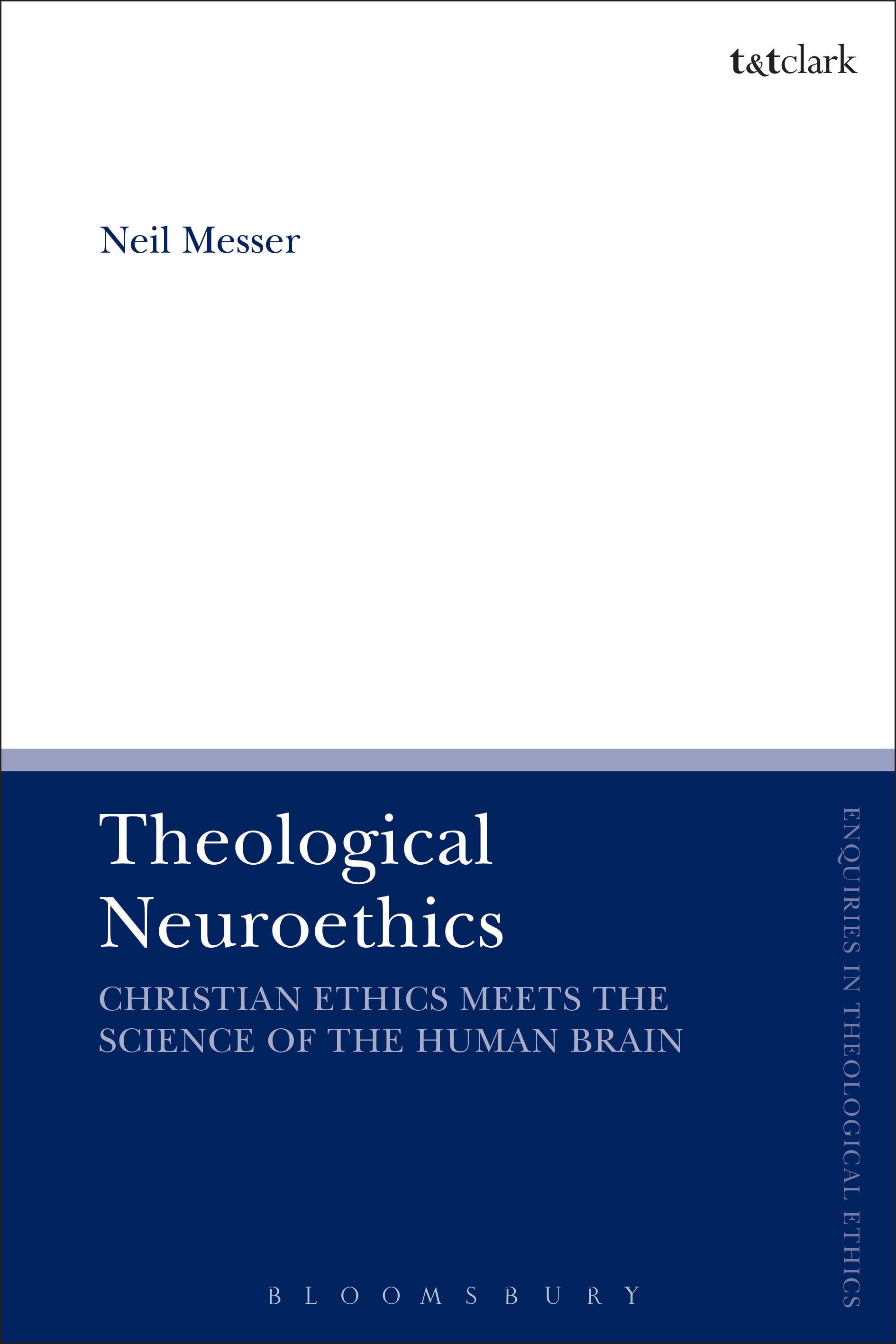
Neil Messer brings together a range of theoretical and practical questions raised by current research on the human brain: questions about both the 'ethics of neuroscience' and the 'neuroscience of ethics'. While some of these are familiar to theologians, others have been more or less ignored hitherto, and the field of neuroethics as a whole has received little theological attention.
Drawing on both theological ethics and the science-and-theology field, Messer discusses cognitive-scientific and neuroscientific studies of religion, arguing that they do not give grounds to dismiss theological perspectives on the human self. He examines a representative range of topics across the whole field of neuroethics, including consciousness, the self and the value of human life; the neuroscience of morality; determinism, freewill and moral responsibility; and the ethics of cognitive enhancement.
Drawing on both theological ethics and the science-and-theology field, Messer discusses cognitive-scientific and neuroscientific studies of religion, arguing that they do not give grounds to dismiss theological perspectives on the human self. He examines a representative range of topics across the whole field of neuroethics, including consciousness, the self and the value of human life; the neuroscience of morality; determinism, freewill and moral responsibility; and the ethics of cognitive enhancement.
Payez facilement par carte, Klarna, Apple Pay ou Google Pay. Pas satisfait ? Vous avez toujours une garantie de remboursement de 14 jours. En savoir plus dans nos conditions. Si vous avez des questions, envoyez-nous un e-mail à hello@memmo.org.
Memmo facilite tes études, où que tu sois dans le monde. On rassemble tes manuels de cours et des outils d'étude intelligents au même endroit : résumés, quiz, podcasts et flashcards. Et il y a Ted, ton compagnon d'étude qui répond à toutes tes questions. Plus de 50 000 étudiants étudient déjà ici – conçu pour t'aider à apprendre plus vite et à moins stresser.