
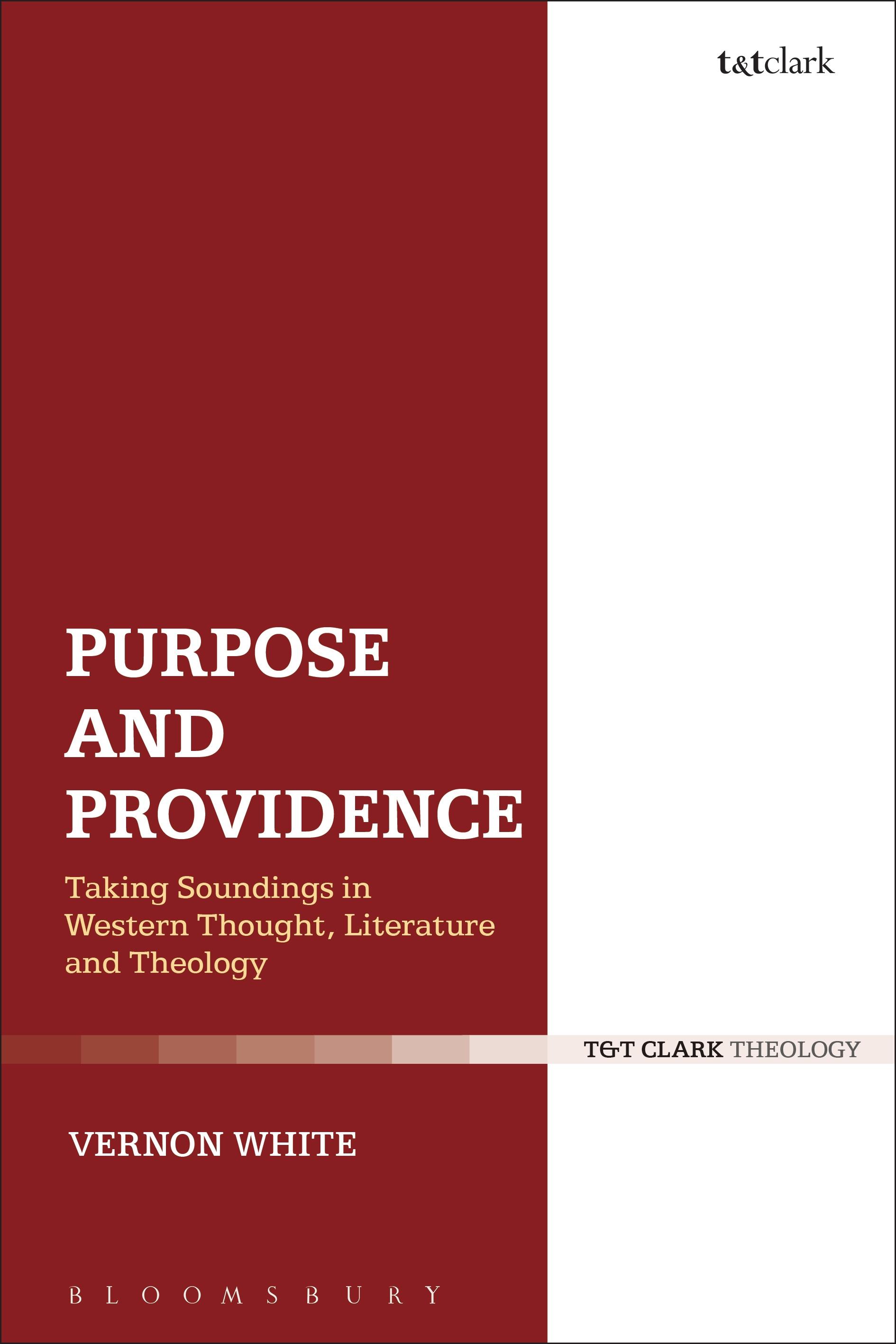
Do our lives have purpose? Despite the rise of secularism, we are still confronted by a sense of meaning and direction in the events of history and our own lives - something which is beyond us and not our own creation/imagination. Using the novels of Thomas Hardy and Julian Barnes, Vernon White tracks this belief in intellectual history and tests its resilience in modern literature. Both novelists portray modern and late-modern scenarios where, although the idea of an objective purpose has been deconstructed, it still haunts the protagonists.
Using literature as the starting point, the discussion moves on to an exploration of this belief in its theological form, through the doctrine of providence. White critically reviews the classic canon of providence and its pressure points - the problems in divine causality, the metaphysical assumptions required in its acceptance, and the contradictions to be found between God's purpose and the metanarratives of history. Using Barth and Frei, White suggests new ways of re-imagining divine providence to take account of these issues. The credibility of this re-defined providence is then tested against scripture, experience and praxis, with the result being an understanding of providence that does not rely on empirical progress.
Using literature as the starting point, the discussion moves on to an exploration of this belief in its theological form, through the doctrine of providence. White critically reviews the classic canon of providence and its pressure points - the problems in divine causality, the metaphysical assumptions required in its acceptance, and the contradictions to be found between God's purpose and the metanarratives of history. Using Barth and Frei, White suggests new ways of re-imagining divine providence to take account of these issues. The credibility of this re-defined providence is then tested against scripture, experience and praxis, with the result being an understanding of providence that does not rely on empirical progress.
Payez facilement par carte, Klarna, Apple Pay ou Google Pay. Pas satisfait ? Vous avez toujours une garantie de remboursement de 14 jours. En savoir plus dans nos conditions. Si vous avez des questions, envoyez-nous un e-mail à hello@memmo.org.
Memmo facilite tes études, où que tu sois dans le monde. On rassemble tes manuels de cours et des outils d'étude intelligents au même endroit : résumés, quiz, podcasts et flashcards. Et il y a Ted, ton compagnon d'étude qui répond à toutes tes questions. Plus de 50 000 étudiants étudient déjà ici – conçu pour t'aider à apprendre plus vite et à moins stresser.