
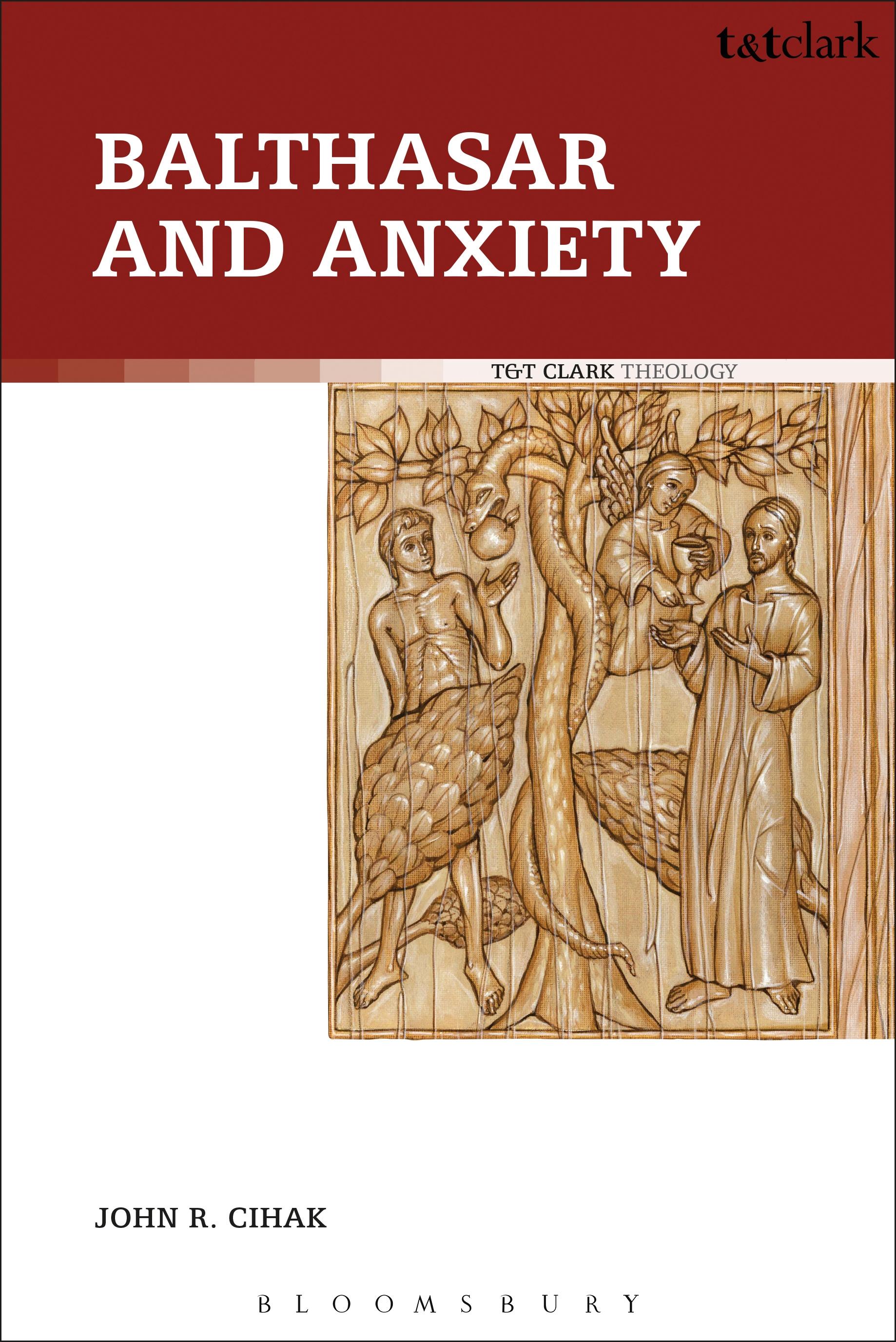
This study offers a theological response to the problem of anxiety from the point of view of Hans Urs von Balthasar. It is a systematic presentation, analysis and development of Balthasar's original theology of anxiety found in his only work on the subject, Der Christ und die Angst. The study takes a thematic approach based upon the four types of analysis found in Der Christ und die Angst: phenomenological, anthropological, theological and ecclesial. These four approaches to the topic correspond to the phenomenon, origins, redemption and transformation of anxiety.
Through this thematic approach, Balthasar's thought is examined in relation to some of the important figures on anxiety. The phenomenon of anxiety is presented in relation to modern psychiatry. The examination of anxiety's origins places him in dialogue with Kierkegaard on anxiety from discursive reasoning and Freud on anxiety from ego-consciousness. The redemption of anxiety places Balthasar in relation to Aquinas in order to clarify Balthasar's interpretation and to show its significance in the theological tradition. The transformation of anxiety places our author in dialogue with Luther on the shape of anxiety in the Christian life. The final chapter begins to unravel the construct of anxiety, with a brief exploration of how it is transformed in the Church according to Balthasar, something he had never explicitly developed. The influence of Bernanos on Balthasar's thought is felt throughout the study. The entire study is framed by the two Gardens wherein transpire the most significant events concerning anxiety for Balthasar: the Garden of Eden and the Garden of Gethsemane.
Through this thematic approach, Balthasar's thought is examined in relation to some of the important figures on anxiety. The phenomenon of anxiety is presented in relation to modern psychiatry. The examination of anxiety's origins places him in dialogue with Kierkegaard on anxiety from discursive reasoning and Freud on anxiety from ego-consciousness. The redemption of anxiety places Balthasar in relation to Aquinas in order to clarify Balthasar's interpretation and to show its significance in the theological tradition. The transformation of anxiety places our author in dialogue with Luther on the shape of anxiety in the Christian life. The final chapter begins to unravel the construct of anxiety, with a brief exploration of how it is transformed in the Church according to Balthasar, something he had never explicitly developed. The influence of Bernanos on Balthasar's thought is felt throughout the study. The entire study is framed by the two Gardens wherein transpire the most significant events concerning anxiety for Balthasar: the Garden of Eden and the Garden of Gethsemane.
Payez facilement par carte, Klarna, Apple Pay ou Google Pay. Pas satisfait ? Vous avez toujours une garantie de remboursement de 14 jours. En savoir plus dans nos conditions. Si vous avez des questions, envoyez-nous un e-mail à hello@memmo.org.
Memmo facilite tes études, où que tu sois dans le monde. On rassemble tes manuels de cours et des outils d'étude intelligents au même endroit : résumés, quiz, podcasts et flashcards. Et il y a Ted, ton compagnon d'étude qui répond à toutes tes questions. Plus de 50 000 étudiants étudient déjà ici – conçu pour t'aider à apprendre plus vite et à moins stresser.