
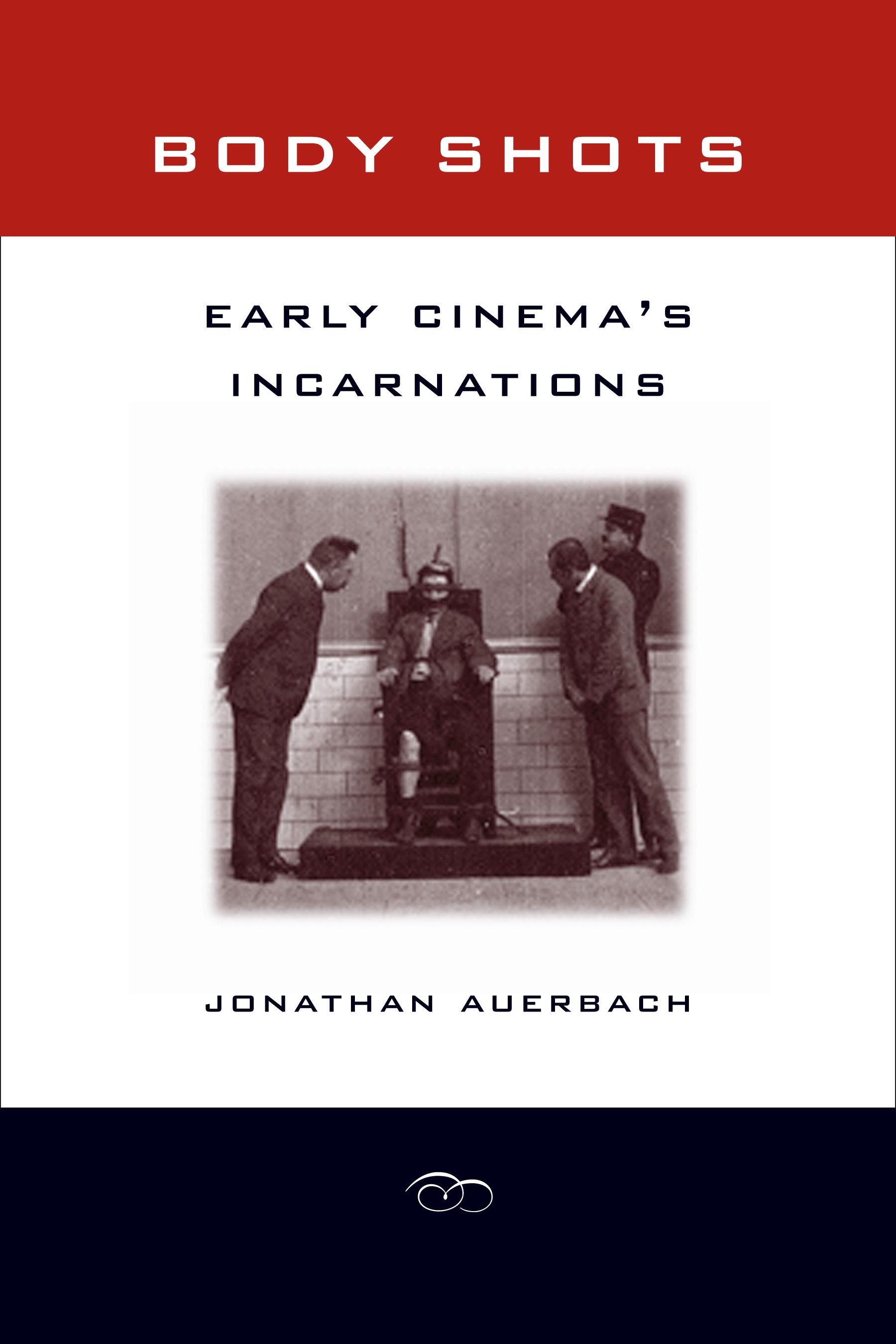
This original and compelling book places the body at the center of cinema's first decade of emergence and challenges the idea that for early audiences, the new medium's fascination rested on visual spectacle for its own sake. Instead, as Jonathan Auerbach argues, it was the human form in motion that most profoundly shaped early cinema. Situating his discussion in a political and historical context, Auerbach begins his analysis with films that reveal striking anxieties and preoccupations about persons on public display—both exceptional figures, such as 1896 presidential candidate William McKinley, and ordinary people caught by the movie camera in their daily routines. The result is a sharp, unique, and groundbreaking way to consider the turn-of-the-twentieth-century American incarnation of cinema itself.
Payez facilement par carte, Klarna, Apple Pay ou Google Pay. Pas satisfait ? Vous avez toujours une garantie de remboursement de 14 jours. En savoir plus dans nos conditions. Si vous avez des questions, envoyez-nous un e-mail à hello@memmo.org.
Memmo facilite tes études, où que tu sois dans le monde. On rassemble tes manuels de cours et des outils d'étude intelligents au même endroit : résumés, quiz, podcasts et flashcards. Et il y a Ted, ton compagnon d'étude qui répond à toutes tes questions. Plus de 50 000 étudiants étudient déjà ici – conçu pour t'aider à apprendre plus vite et à moins stresser.
Tu pourrais aussi aimer
Acheter le livre0