
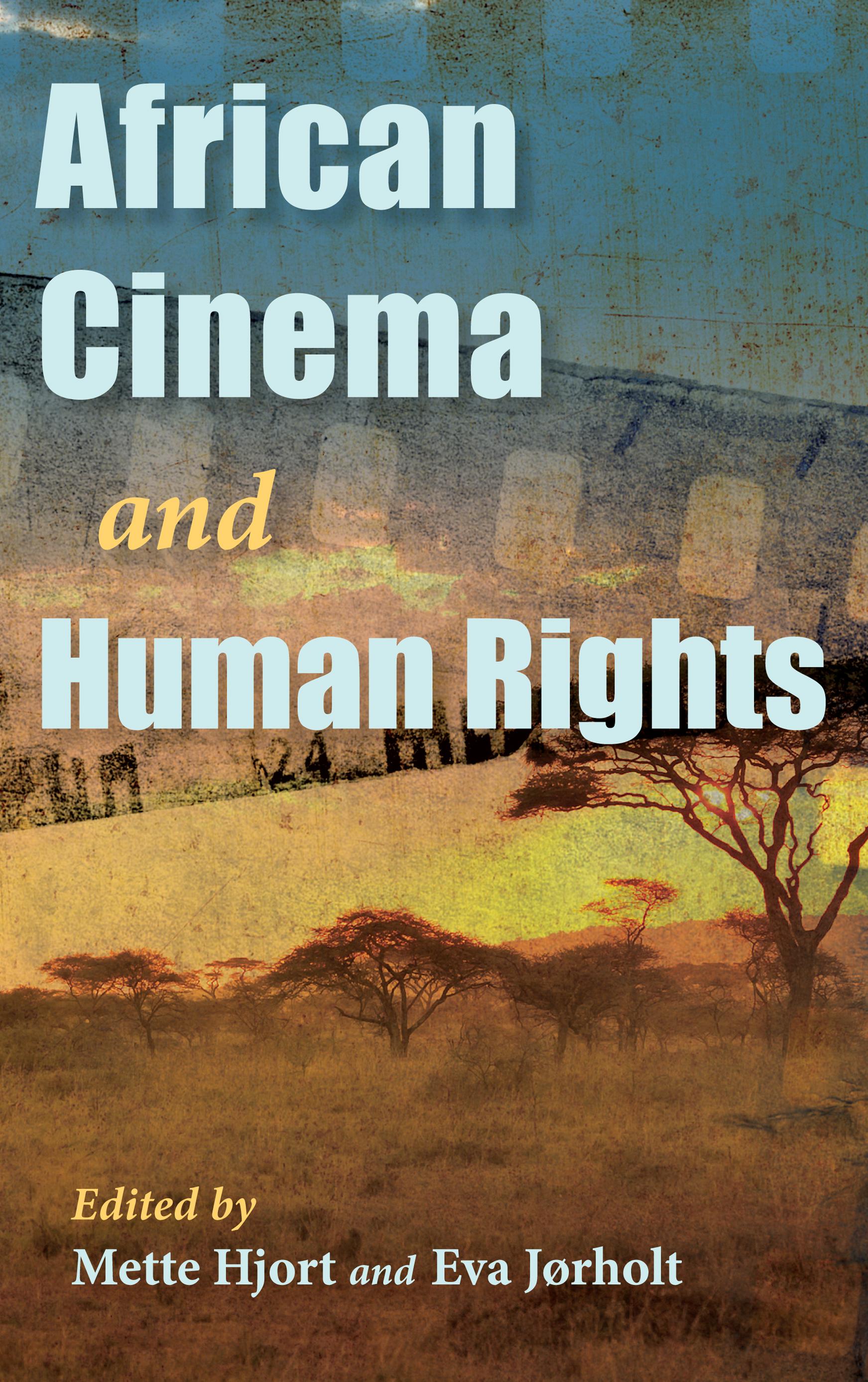
Bringing theory and practice together, African Cinema and Human Rights argues that moving images have a significant role to play in advancing the causes of justice and fairness. The contributors to this volume identify three key ways in which film can achieve these goals: documenting human rights abuses and thereby supporting the claims of victims and goals of truth and reconciliation within larger communities; legitimating, and consequently solidifying, an expanded scope for human rights; and promoting the realization of social and economic rights. Including the voices of African scholars, scholar-filmmakers, African directors Jean-Marie Teno and Gaston Kaboré, and researchers whose work focuses on transnational cinema, this volume explores overall perspectives, and differences of perspective, pertaining to Africa, human rights, and human rights filmmaking alongside specific case studies of individual films and areas of human rights violations. With its interdisciplinary scope, attention to practitioners' self-understandings, broad perspectives, and particular case studies, African Cinema and Human Rights is a foundational text that offers questions, reflections, and evidence that help us to consider film's ideal role within the context of our ever-continuing struggle towards a more just global society.
Payez facilement par carte, Klarna, Apple Pay ou Google Pay. Pas satisfait ? Vous avez toujours une garantie de remboursement de 14 jours. En savoir plus dans nos conditions. Si vous avez des questions, envoyez-nous un e-mail à hello@memmo.org.
Memmo facilite tes études, où que tu sois dans le monde. On rassemble tes manuels de cours et des outils d'étude intelligents au même endroit : résumés, quiz, podcasts et flashcards. Et il y a Ted, ton compagnon d'étude qui répond à toutes tes questions. Plus de 50 000 étudiants étudient déjà ici – conçu pour t'aider à apprendre plus vite et à moins stresser.