
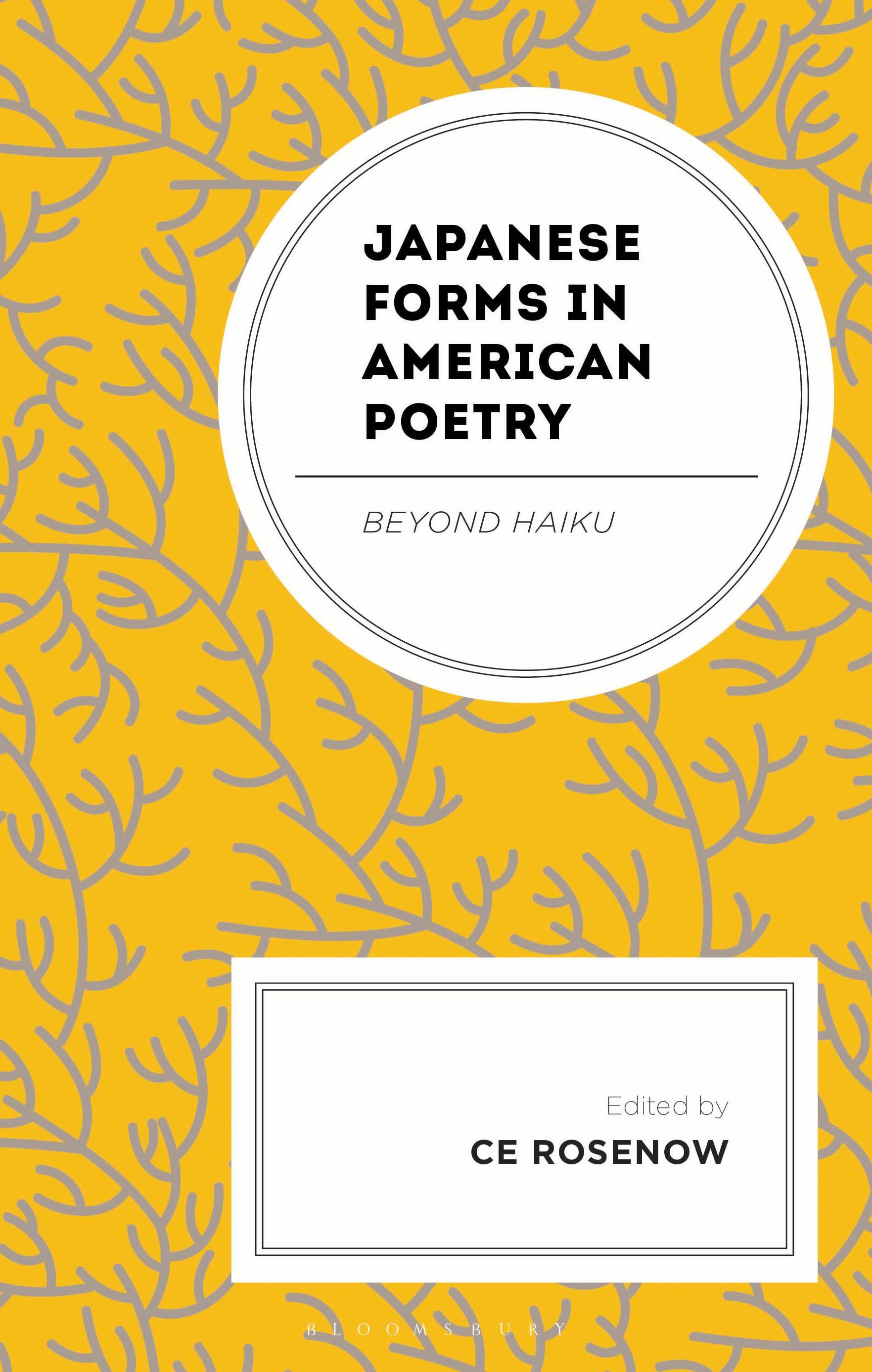
Analyzing the poetic forms of haibun, linked verse, senryu, and tanka, this collection argues that these traditional Japanese methods have established themselves in American poetry.
Beginning with its Japanese origins and continuing through its development in the United States, the contributors demonstrate how these poetic forms have existed alongside haiku for more than a century while drawing attention to their use within contemporary poetry. Over time, they have gained popularity among both haiku and non-haiku poets alike, leading to a wide variety of innovative approaches.
Beginning with its Japanese origins and continuing through its development in the United States, the contributors demonstrate how these poetic forms have existed alongside haiku for more than a century while drawing attention to their use within contemporary poetry. Over time, they have gained popularity among both haiku and non-haiku poets alike, leading to a wide variety of innovative approaches.
Betal enkelt med kort, Klarna, Apple Pay eller Google Pay. Ikke fornøyd? Du har alltid 14 dagers angrerett. Les mer i våre vilkår. Har du spørsmål, send oss en e-post på hello@memmo.org.
Memmo gjør det enklere å studere – uansett hvor du er i verden. Hos oss samler du pensumbøker og smarte studieverktøy på ett og samme sted: sammendrag, quizer, podkaster og flashcards. Og så Ted, din studiekompis som svarer på alt du lurer på. Over 50 000 studenter studerer allerede her – bygget for at du skal lære raskere og stresse mindre.