
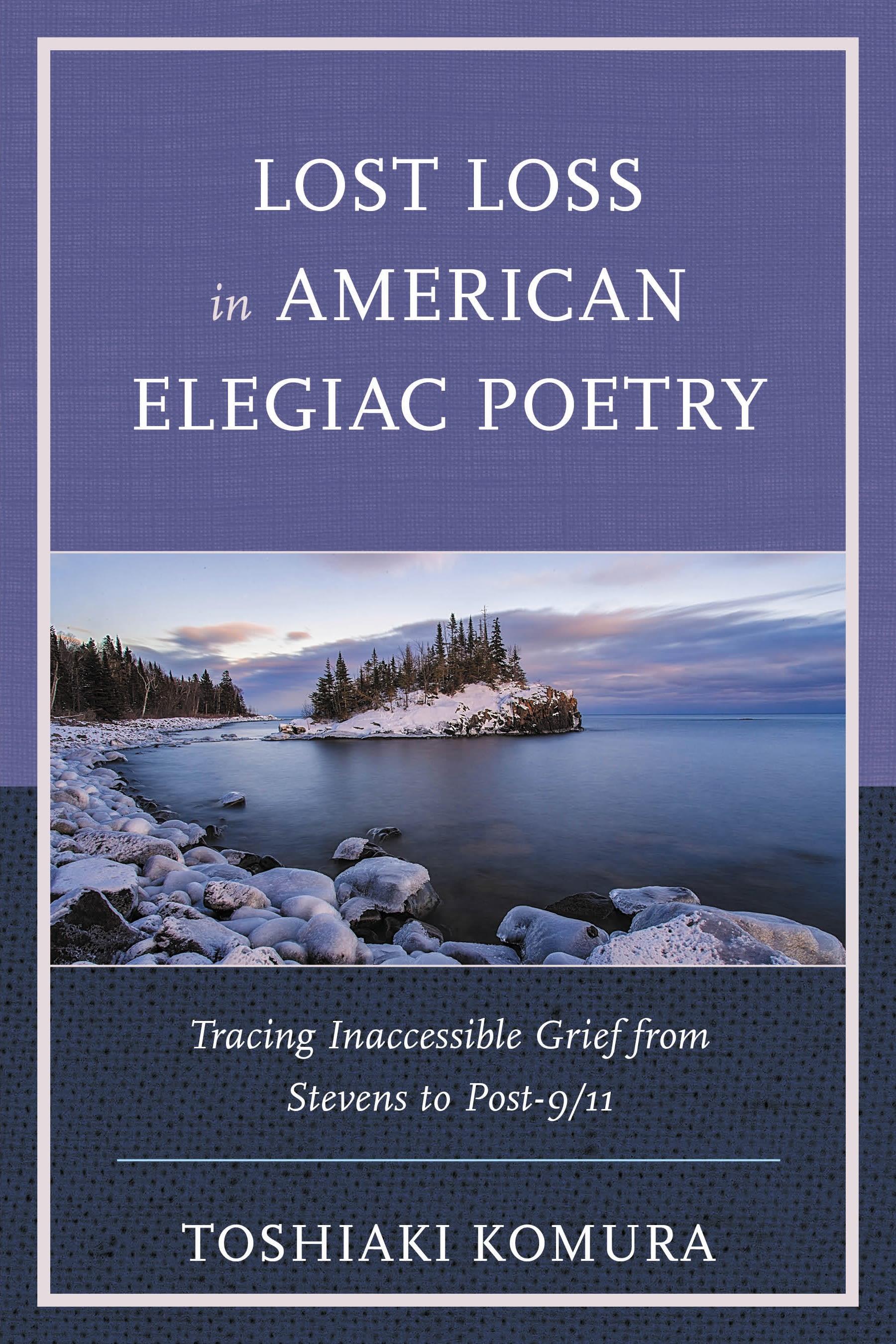
Lost Loss in American Elegiac Poetry: Tracing Inaccessible Grief from Stevens to Post-9/11 examines contemporary literary expressions of losses that are “lost” on us, inquiring what it means to “lose” loss and what happens when dispossessory experiences go unacknowledged or become inaccessible. Toshiaki Komura analyzes a range of elegiac poetry that does not neatly align with conventional assumptions about the genre, including Wallace Stevens’s “The Owl in the Sarcophagus,” Sylvia Plath’s last poems, Elizabeth Bishop’s Geography III, Sharon Olds’s The Dead and the Living, Louise Glück’s Averno, and poems written after 9/11. What these poems reveal at the intersection of personal and communal mourning are the mechanism of cognitive myth-making involved in denied grief and its social and ethical implications. Engaging with an assortment of philosophical, psychoanalytic, and psychological theories, Lost Loss in American Elegiac Poetry elucidates how poetry gives shape to the vague despondency of unrecognized loss and what kind of phantomic effects these equivocal grieving experiences may create.
Betal enkelt med kort, Klarna, Apple Pay eller Google Pay. Ikke fornøyd? Du har alltid 14 dagers angrerett. Les mer i våre vilkår. Har du spørsmål, send oss en e-post på hello@memmo.org.
Memmo gjør det enklere å studere – uansett hvor du er i verden. Hos oss samler du pensumbøker og smarte studieverktøy på ett og samme sted: sammendrag, quizer, podkaster og flashcards. Og så Ted, din studiekompis som svarer på alt du lurer på. Over 50 000 studenter studerer allerede her – bygget for at du skal lære raskere og stresse mindre.