
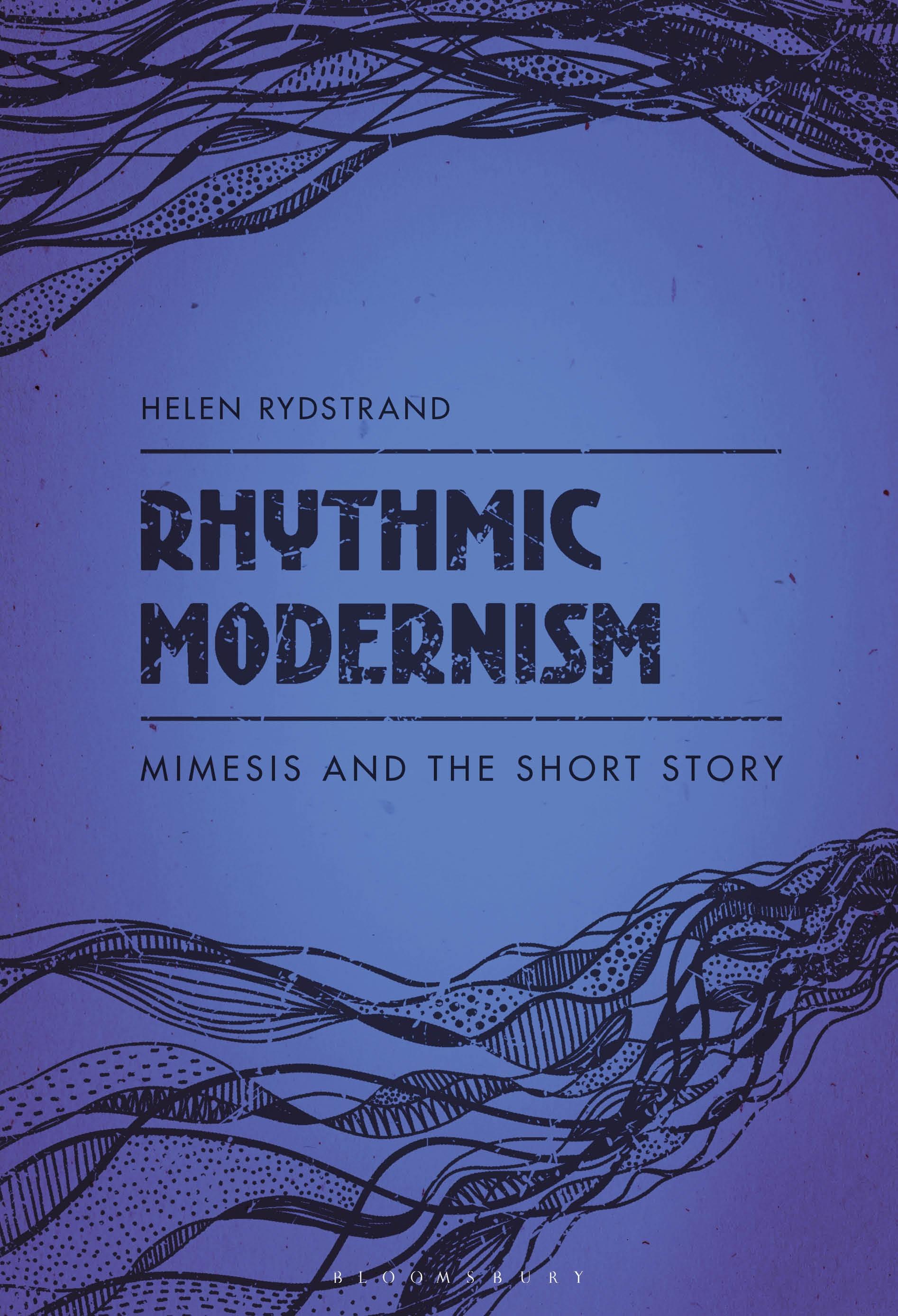
Contrary to the common view that cultural modernism is a broadly anti-mimetic movement, one which turned away from traditional artistic goals of representing the world, Rhythmic Modernism argues that rhythm and mimesis are central to modernist aesthetics. Through detailed close readings of non-fiction and short stories, Helen Rydstrand shows that textual rhythms comprised the substance of modernist mimesis. Rhythmic Modernism demonstrates how many modernist writers, such as D. H. Lawrence, Katherine Mansfield and Virginia Woolf, were profoundly invested in mimicking a substratum of existence that was conceived as rhythmic, each displaying a fascination with rhythm, both as a formal device and as a vital, protean concept that helped to make sense of the complex modern world.
Betal enkelt med kort, Klarna, Apple Pay eller Google Pay. Ikke fornøyd? Du har alltid 14 dagers angrerett. Les mer i våre vilkår. Har du spørsmål, send oss en e-post på hello@memmo.org.
Memmo gjør det enklere å studere – uansett hvor du er i verden. Hos oss samler du pensumbøker og smarte studieverktøy på ett og samme sted: sammendrag, quizer, podkaster og flashcards. Og så Ted, din studiekompis som svarer på alt du lurer på. Over 50 000 studenter studerer allerede her – bygget for at du skal lære raskere og stresse mindre.