
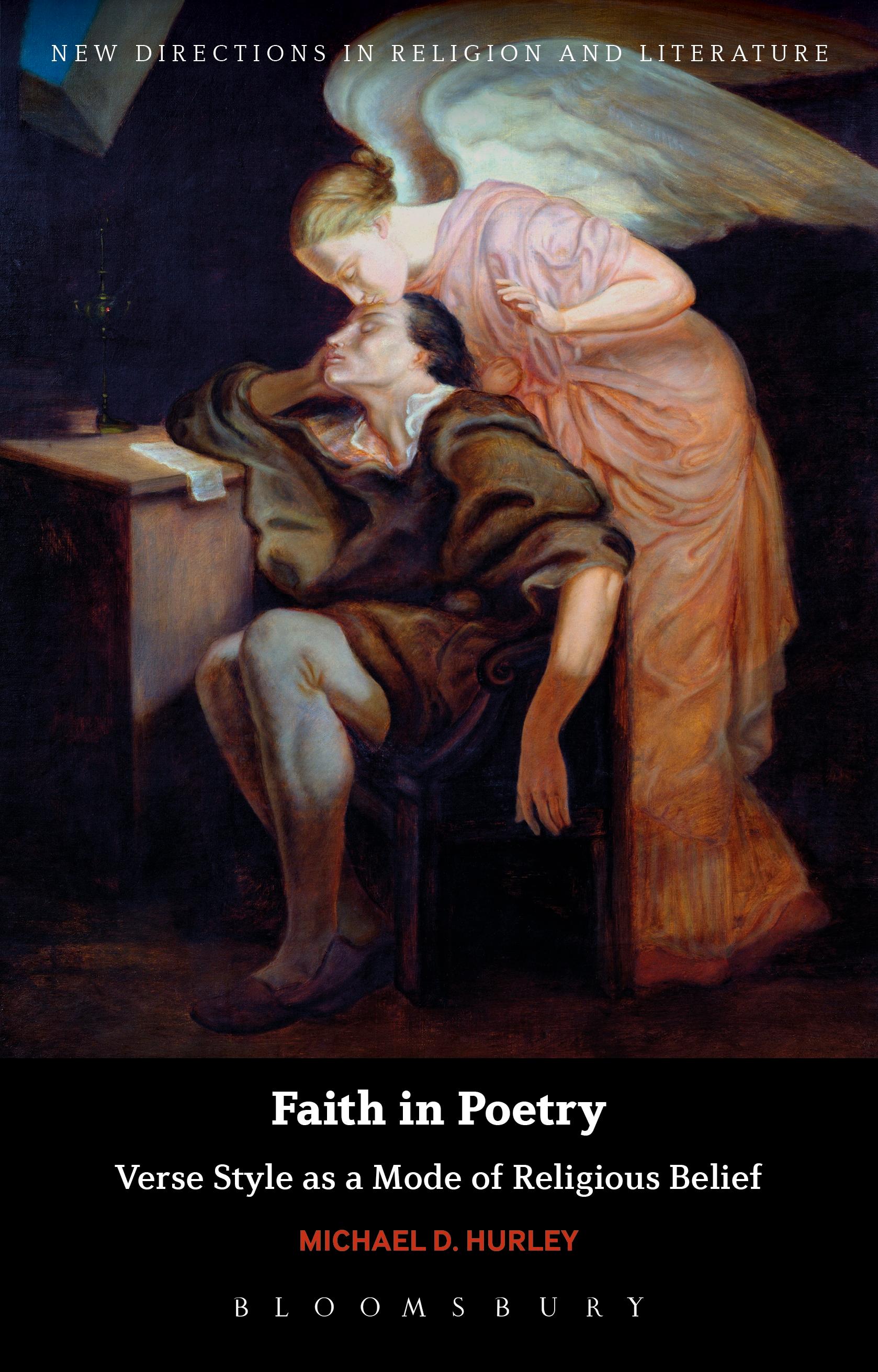
In this ambitious book, Michael D. Hurley explores how five great writers – William Blake, Alfred Tennyson, Christina Rossetti, Gerard Manley Hopkins, and T. S. Eliot – engaged their religious faith in poetry, with a view to asking why they chose that literary form in the first place. What did they believe poetry could say or do that other kinds of language or expression could not? And how might poetry itself operate as a unique mode of believing? These deep questions meet at the crossroads of poetics and metaphysics, and the writers considered here offer different answers. But these writers also collectively shed light on the interplay between literature and theology across the long nineteenth century, at a time when the authority and practice of both was being fiercely reimagined.
Betal enkelt med kort, Klarna, Apple Pay eller Google Pay. Ikke fornøyd? Du har alltid 14 dagers angrerett. Les mer i våre vilkår. Har du spørsmål, send oss en e-post på hello@memmo.org.
Memmo gjør det enklere å studere – uansett hvor du er i verden. Hos oss samler du pensumbøker og smarte studieverktøy på ett og samme sted: sammendrag, quizer, podkaster og flashcards. Og så Ted, din studiekompis som svarer på alt du lurer på. Over 50 000 studenter studerer allerede her – bygget for at du skal lære raskere og stresse mindre.