
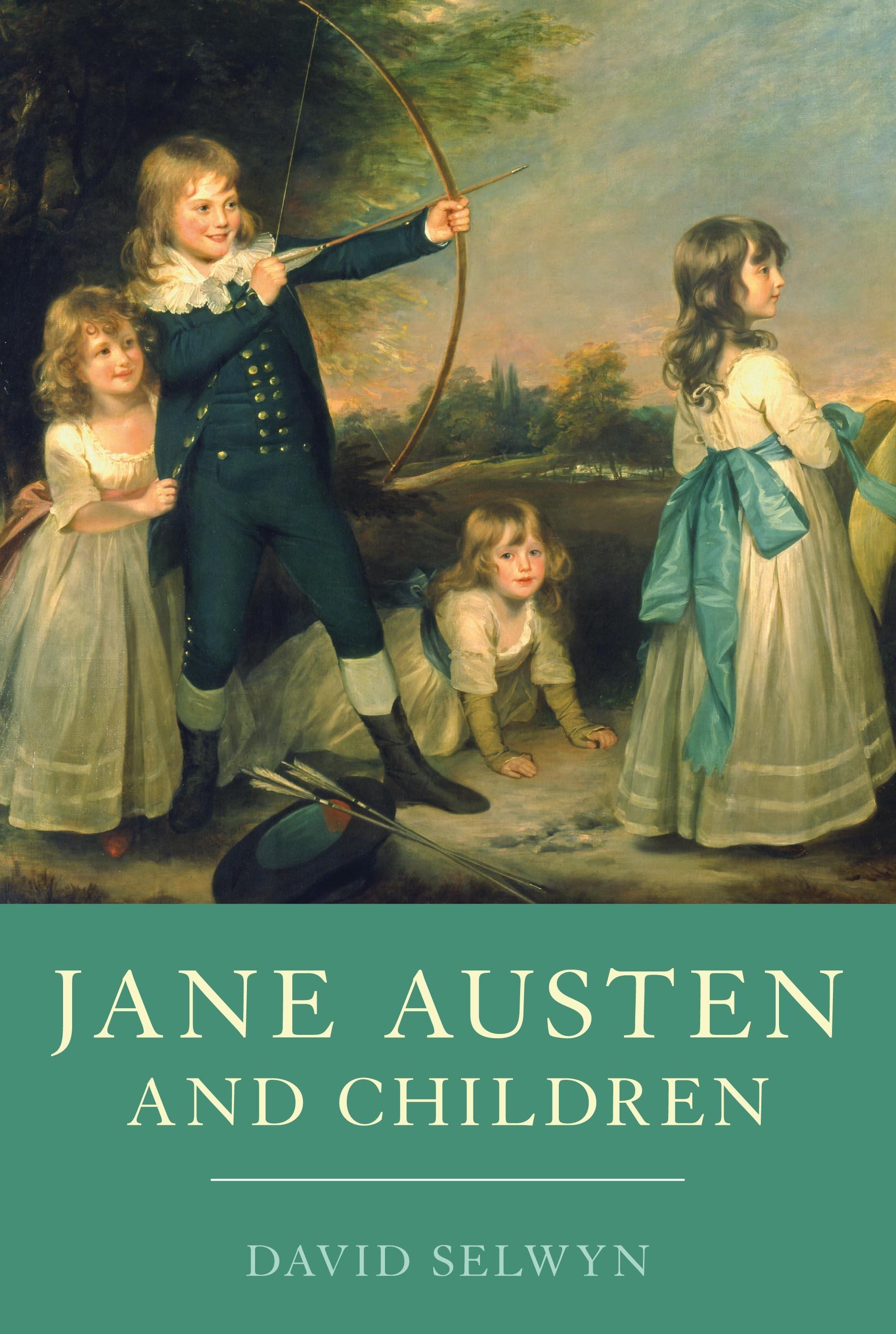
Jane Austen is not usually associated with children - especially since she had none of her own. But there are in fact more children in her novels than one might at first think. She herself was from a sizeable family, with numerous nephews and nieces. She was, by all accounts, good with children and popular with them. It was therefore natural for her to include them in her novels, even if sometimes offstage. This book, by one of the world's leading authorities on Austen, looks at both the real and the literary children in her life - children seen and unseen (and dead); children as models of behaviour, good and bad; as objects of affection, amusement, usefulness, pity, regret, jealousy, resentment; children in the way; children as excuses; children as heirs. In the process it casts fascinating light on a hitherto largely ignored aspect of her work and the age in which she lived.
Betal enkelt med kort, Klarna, Apple Pay eller Google Pay. Ikke fornøyd? Du har alltid 14 dagers angrerett. Les mer i våre vilkår. Har du spørsmål, send oss en e-post på hello@memmo.org.
Memmo gjør det enklere å studere – uansett hvor du er i verden. Hos oss samler du pensumbøker og smarte studieverktøy på ett og samme sted: sammendrag, quizer, podkaster og flashcards. Og så Ted, din studiekompis som svarer på alt du lurer på. Over 50 000 studenter studerer allerede her – bygget for at du skal lære raskere og stresse mindre.