
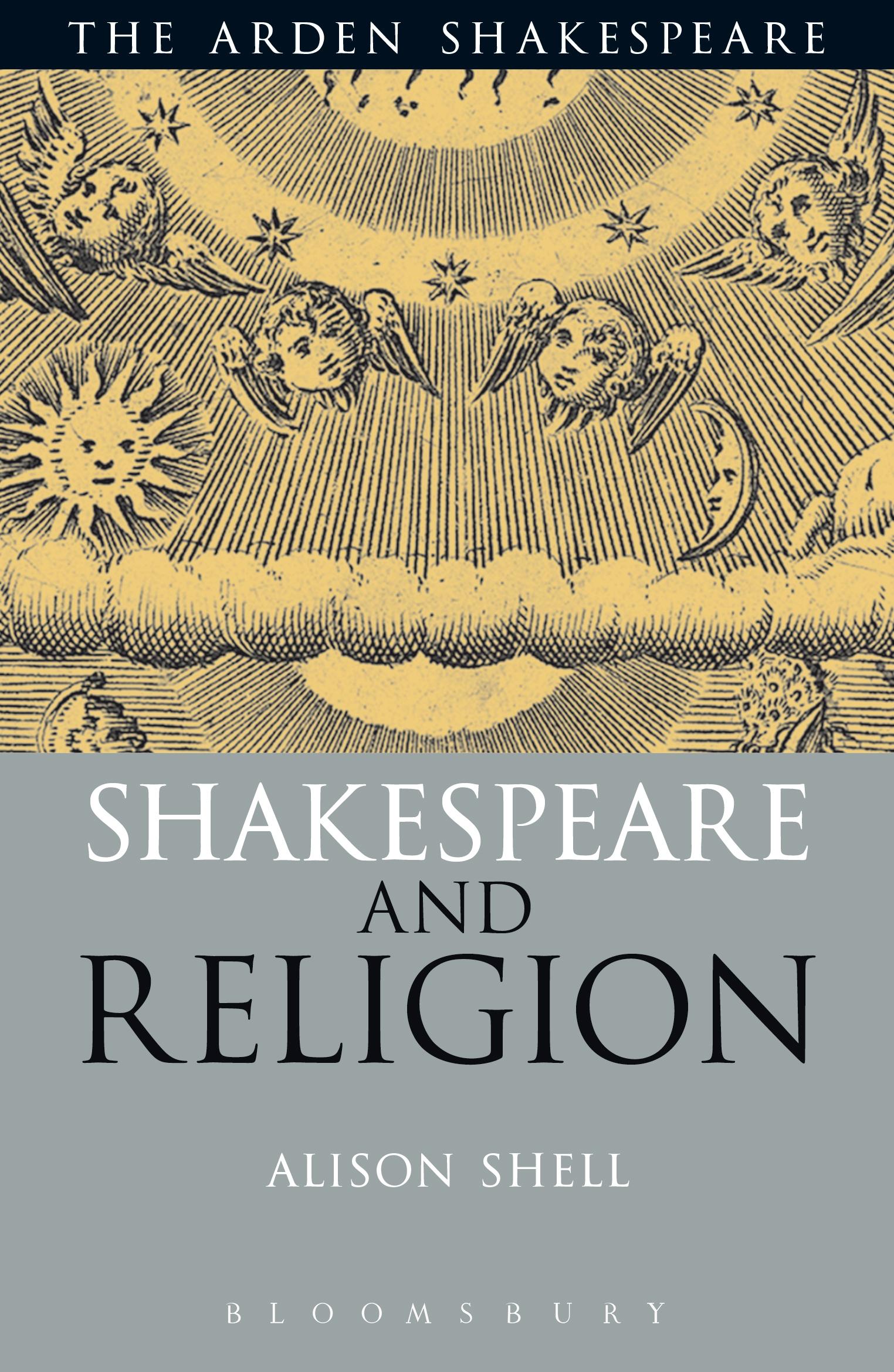
This book sets Shakespeare in the religious context of his times, presenting a balanced, up-to-date account of current biographical and critical debates, and addressing the fascinating, under-studied topic of how Shakespeare's writing was perceived by literary contemporaries - both Catholic and Protestant - whose priorities were more obviously religious than his own. It advances new readings of several plays, especially Hamlet, King Lear and The Winter's Tale; these draw in many cases on new and under-exploited contemporary analogues, ranging from conversion narratives, books of devotion and polemical pamphlets to manuscript drama and emblems.
Shakespeare's writing has been seen both as profoundly religious, giving everyday human life a sacramental quality, and as profoundly secular, foreshadowing the kind of humanism that sees no necessity for God. This study attempts to reconcile these two points of view, describing a writer whose language is saturated in religious discourse and whose dramaturgy is highly attentive to religious precedent, but whose invariable practice is to subordinate religious matter to the particular aesthetic demands of the work in hand. For Shakespeare, as for few of his contemporaries, the Judaeo-Christian story is something less than a master narrative.
Betal enkelt med kort, Klarna, Apple Pay eller Google Pay. Ikke fornøyd? Du har alltid 14 dagers angrerett. Les mer i våre vilkår. Har du spørsmål, send oss en e-post på hello@memmo.org.
Memmo gjør det enklere å studere – uansett hvor du er i verden. Hos oss samler du pensumbøker og smarte studieverktøy på ett og samme sted: sammendrag, quizer, podkaster og flashcards. Og så Ted, din studiekompis som svarer på alt du lurer på. Over 50 000 studenter studerer allerede her – bygget for at du skal lære raskere og stresse mindre.