
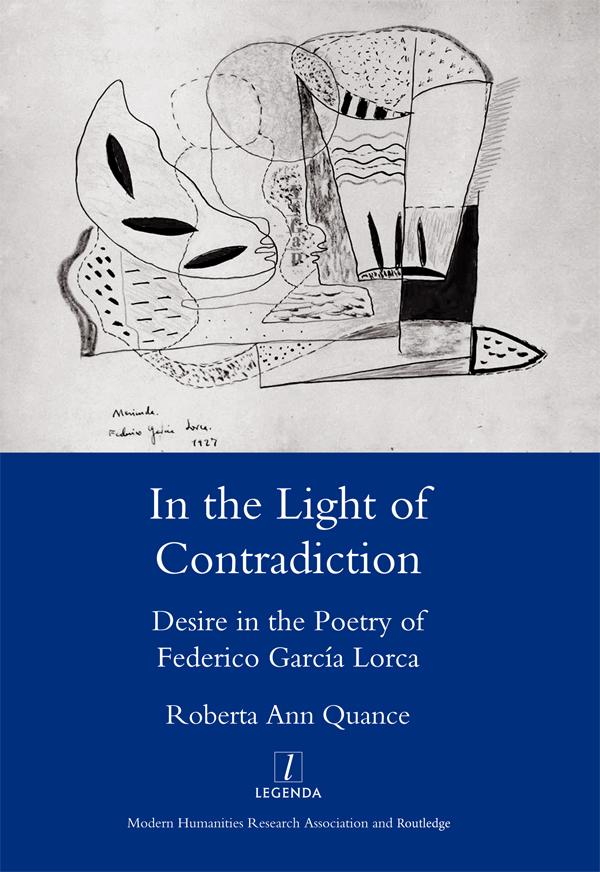
In 1926, as a young man of 28 with a growing reputation as an oral poet, Federico Garcia Lorca (1898-1936) toyed with the idea of proving his worth in writing by bringing out a boxed set of three volumes of his verse. Because the Suites , Canciones , and the Poema del cante jondo eventually came out singly (in the case of the Suites , posthumously), readers have not always realised that they formed a single body of work -- one which, Lorca himself was surprised to note, has 'una rarisima unidad', an odd unity of aims and accomplishment. This is poetry which takes up the question of desire in progressively depersonalizing ways, and shows modernism coming into being. Through renunciation, by cutting away the personal and the taboo, Lorca created a poetry that, like no other in Europe, stood between the avant-garde and oral traditions, making their contradictions his truth. Roberta Ann Quance is Senior Lecturer in Spanish at Queen's University, Belfast.
Betal enkelt med kort, Klarna, Apple Pay eller Google Pay. Ikke fornøyd? Du har alltid 14 dagers angrerett. Les mer i våre vilkår. Har du spørsmål, send oss en e-post på hello@memmo.org.
Memmo gjør det enklere å studere – uansett hvor du er i verden. Hos oss samler du pensumbøker og smarte studieverktøy på ett og samme sted: sammendrag, quizer, podkaster og flashcards. Og så Ted, din studiekompis som svarer på alt du lurer på. Over 50 000 studenter studerer allerede her – bygget for at du skal lære raskere og stresse mindre.
Du vil kanskje også like
Kjøp boken0