
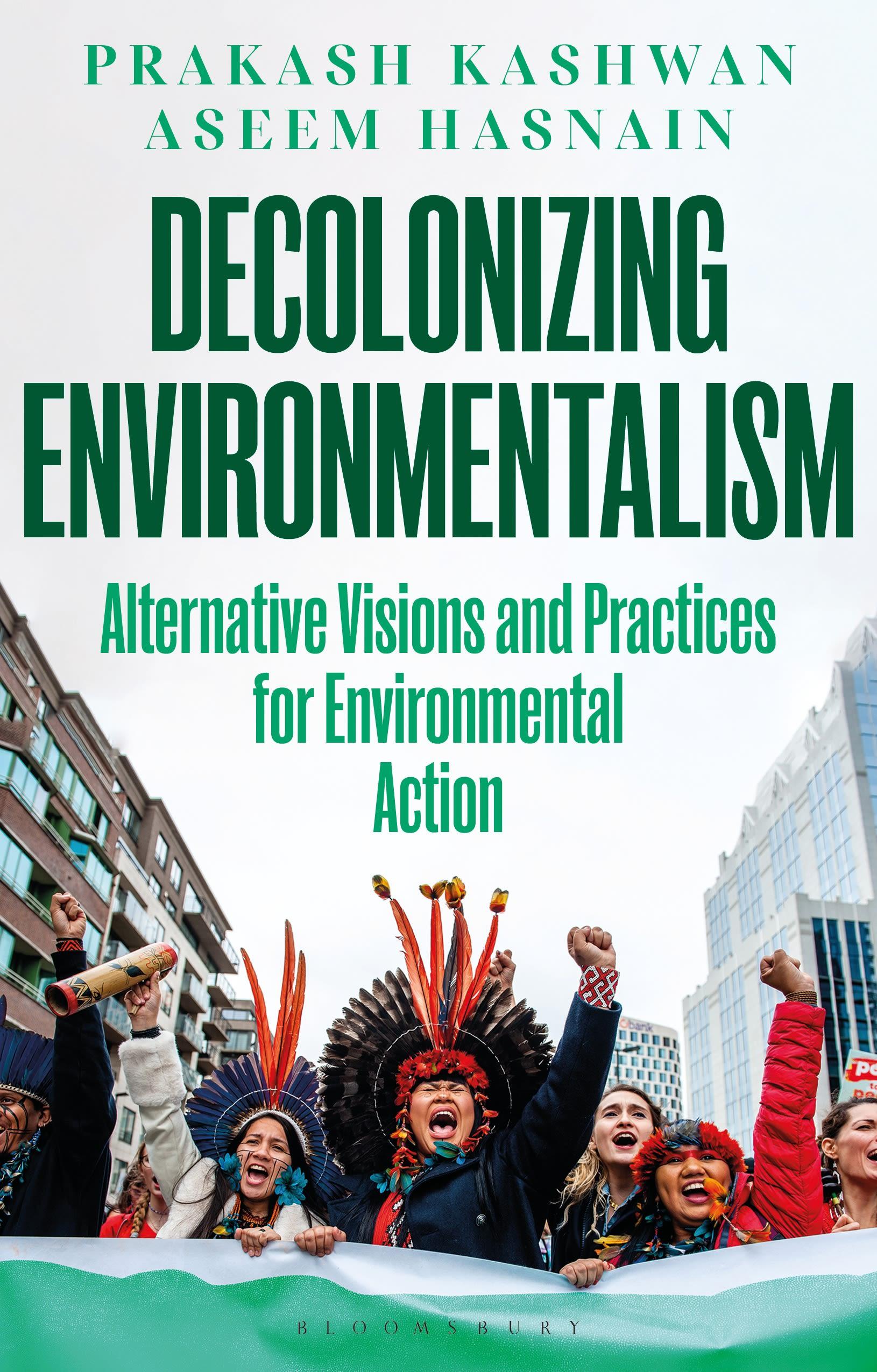
We live in a moment rife with mixed emotions-existential anxieties about catastrophic climate change, presumptuous confidence in planet-hacking geoengineering technologies, and hopefulness of youth climate activism. Decolonizing Environmentalism helps us navigate these emotions and reimagine our approach to environmental stewardship.
The authors cast a critical eye on wealthy and influential environmental groups that committed to anti-racist strategies in the wake of the racial awakening of 2020. Yet, they continue to embrace false solutions like carbon markets and biodiversity offsets, which carry deeply racialized consequences. By tracing the roots of these misplaced priorities to detrimental modernity steeped in colonialism and capitalism, the authors call for transformational changes in human-nature relationships. They distil lessons from the divestment movement, which has questioned the fossil fuel industry's moral standing, and food sovereignty activists, who have mobilized global civil society to hold agribusiness corporations accountable.
Amidst calls for "apocalyptic optimism," Kashwan and Hasnain offer a radical vision grounded in intersectional ecofeminism, Indigenous sovereignty, and strategies honed in the trenches of transnational environmentalism. In these extraordinary times, Decolonizing Environmentalism invites readers to embark on a transformative journey to embrace anti-racist, emancipatory, and regenerative approaches to environmentalism.
The authors cast a critical eye on wealthy and influential environmental groups that committed to anti-racist strategies in the wake of the racial awakening of 2020. Yet, they continue to embrace false solutions like carbon markets and biodiversity offsets, which carry deeply racialized consequences. By tracing the roots of these misplaced priorities to detrimental modernity steeped in colonialism and capitalism, the authors call for transformational changes in human-nature relationships. They distil lessons from the divestment movement, which has questioned the fossil fuel industry's moral standing, and food sovereignty activists, who have mobilized global civil society to hold agribusiness corporations accountable.
Amidst calls for "apocalyptic optimism," Kashwan and Hasnain offer a radical vision grounded in intersectional ecofeminism, Indigenous sovereignty, and strategies honed in the trenches of transnational environmentalism. In these extraordinary times, Decolonizing Environmentalism invites readers to embark on a transformative journey to embrace anti-racist, emancipatory, and regenerative approaches to environmentalism.
Betal enkelt med kort, Klarna, Apple Pay eller Google Pay. Ikke fornøyd? Du har alltid 14 dagers angrerett. Les mer i våre vilkår. Har du spørsmål, send oss en e-post på hello@memmo.org.
Memmo gjør det enklere å studere – uansett hvor du er i verden. Hos oss samler du pensumbøker og smarte studieverktøy på ett og samme sted: sammendrag, quizer, podkaster og flashcards. Og så Ted, din studiekompis som svarer på alt du lurer på. Over 50 000 studenter studerer allerede her – bygget for at du skal lære raskere og stresse mindre.