
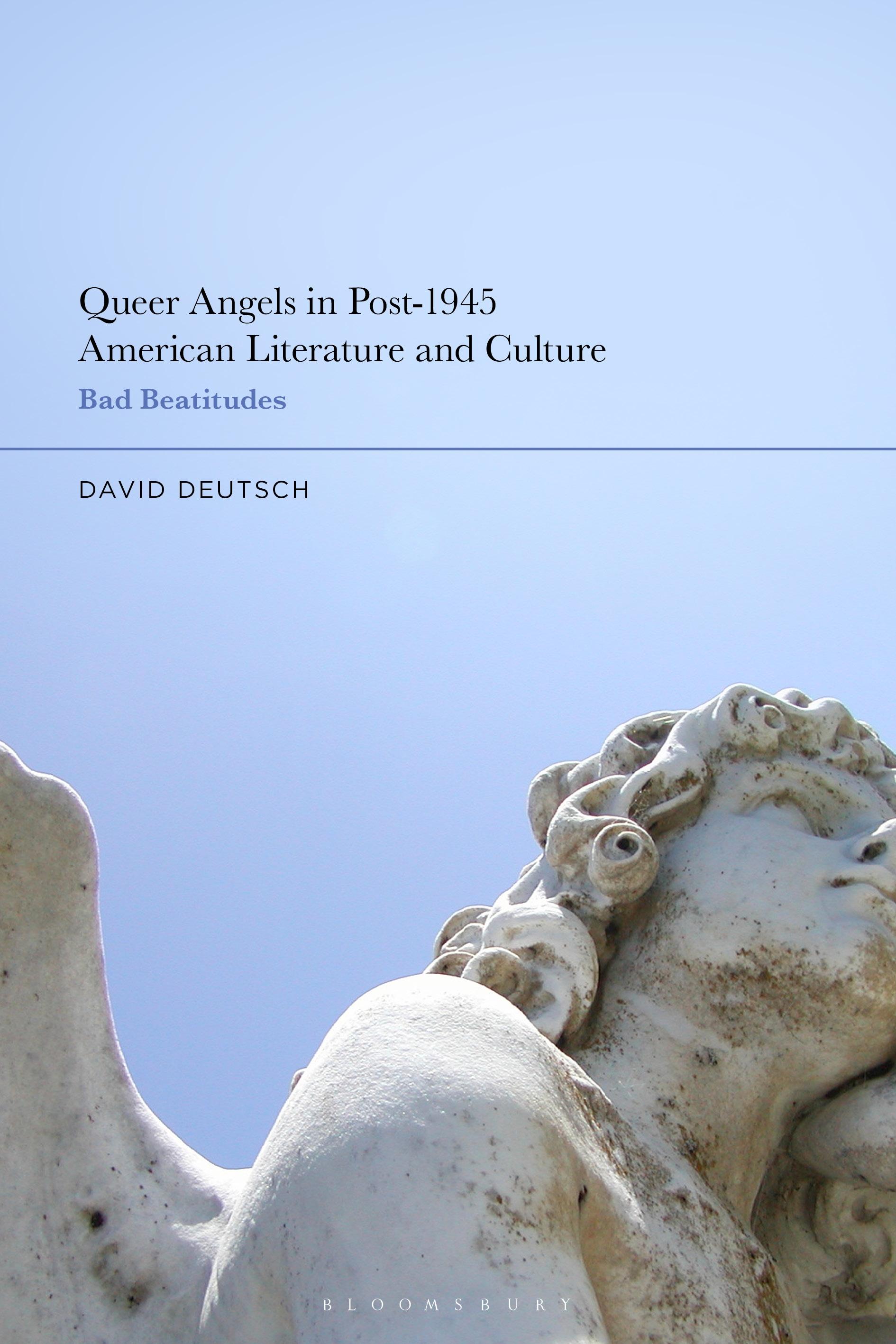
From Allen Ginsberg's 'angel-headed hipsters' to angelic outlaws in Essex Hemphill's Conditions, angelic imagery is pervasive in queer American art and culture. This book examines how the period after 1945 expanded a unique mixture of sacred and profane angelic imagery in American literature and culture to fashion queer characters, primarily gay men, as embodiments of 'bad beatitudes'.
Deutsch explores how authors across diverse ethnic and religious backgrounds, including John Rechy, Richard Bruce Nugent, Allen Ginsberg, and Rabih Alameddine, sought to find the sacred in the profane and the profane in the sacred. Exploring how these writers used the trope of angelic outlaws to celebrate men who rebelled wilfully and nobly against religious, medical, legal and social repression in American society, this book sheds new light on dissent and queer identities in postmodern American literature.
Deutsch explores how authors across diverse ethnic and religious backgrounds, including John Rechy, Richard Bruce Nugent, Allen Ginsberg, and Rabih Alameddine, sought to find the sacred in the profane and the profane in the sacred. Exploring how these writers used the trope of angelic outlaws to celebrate men who rebelled wilfully and nobly against religious, medical, legal and social repression in American society, this book sheds new light on dissent and queer identities in postmodern American literature.
Betal enkelt med kort, Klarna, Apple Pay eller Google Pay. Ikke fornøyd? Du har alltid 14 dagers angrerett. Les mer i våre vilkår. Har du spørsmål, send oss en e-post på hello@memmo.org.
Memmo gjør det enklere å studere – uansett hvor du er i verden. Hos oss samler du pensumbøker og smarte studieverktøy på ett og samme sted: sammendrag, quizer, podkaster og flashcards. Og så Ted, din studiekompis som svarer på alt du lurer på. Over 50 000 studenter studerer allerede her – bygget for at du skal lære raskere og stresse mindre.