
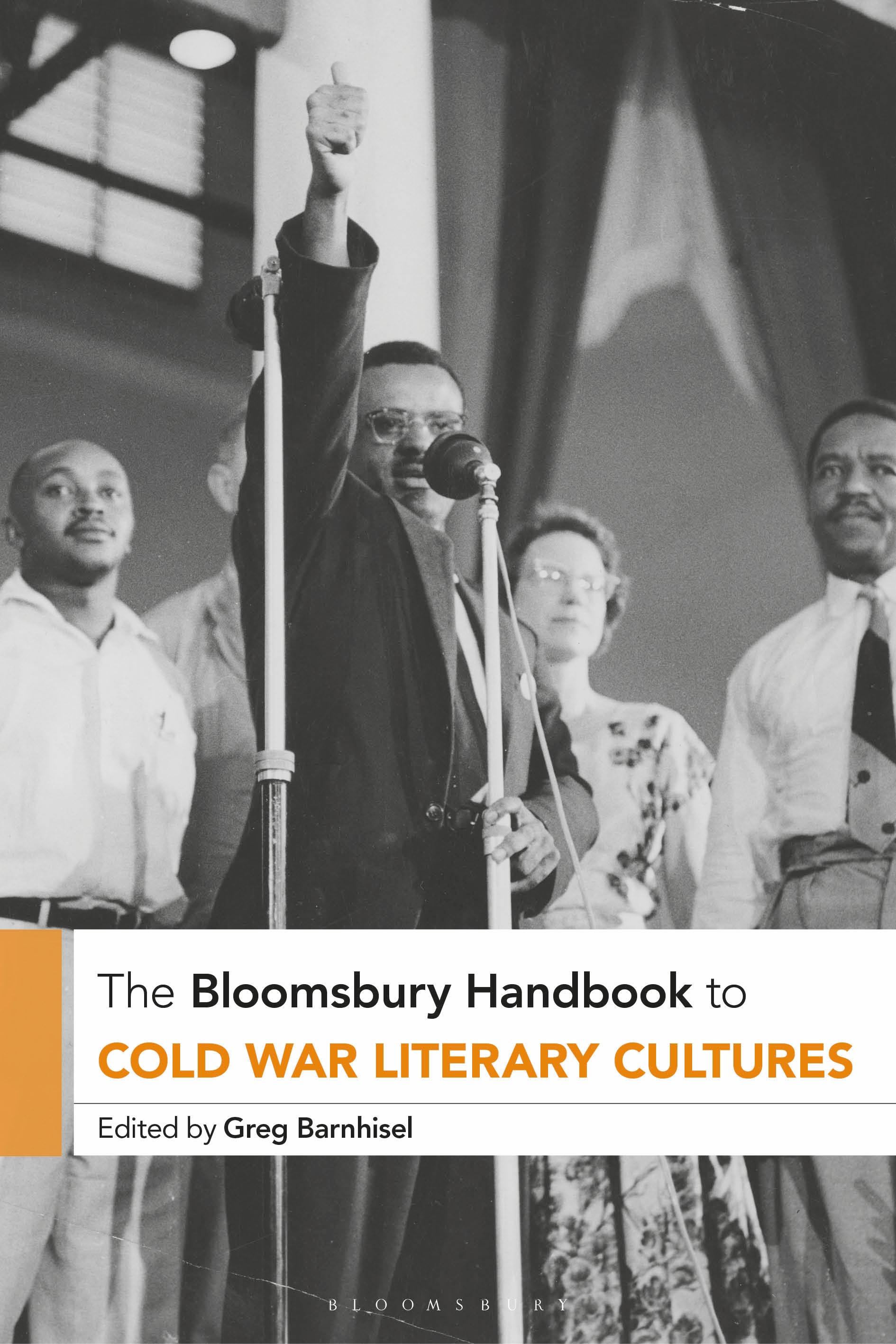
Adopting a unique historical approach to its subject and with a particular focus on the institutions involved in the creation, dissemination, and reception of literature, this handbook surveys the way in which the Cold War shaped literature and literary production, and how literature affected the course of the Cold War. To do so, in addition to more 'traditional' sources it uses institutions like MFA programs, university literature departments, book-review sections of newspapers, publishing houses, non-governmental cultural agencies, libraries, and literary magazines as a way to understand works of the period differently.
Broad in both their geographical range and the range of writers they cover, the book's essays examine works of mainstream American literary fiction from writers such as Roth, Updike and Faulkner, as well as moving beyond the U.S. and the U.K. to detail how writers and readers from countries including, but not limited to, Taiwan, Japan, Uganda, South Africa, India, Cuba, the USSR, and the Czech Republic engaged with and contributed to Anglo-American literary texts and institutions.
Betal enkelt med kort, Klarna, Apple Pay eller Google Pay. Ikke fornøyd? Du har alltid 14 dagers angrerett. Les mer i våre vilkår. Har du spørsmål, send oss en e-post på hello@memmo.org.
Memmo gjør det enklere å studere – uansett hvor du er i verden. Hos oss samler du pensumbøker og smarte studieverktøy på ett og samme sted: sammendrag, quizer, podkaster og flashcards. Og så Ted, din studiekompis som svarer på alt du lurer på. Over 50 000 studenter studerer allerede her – bygget for at du skal lære raskere og stresse mindre.