
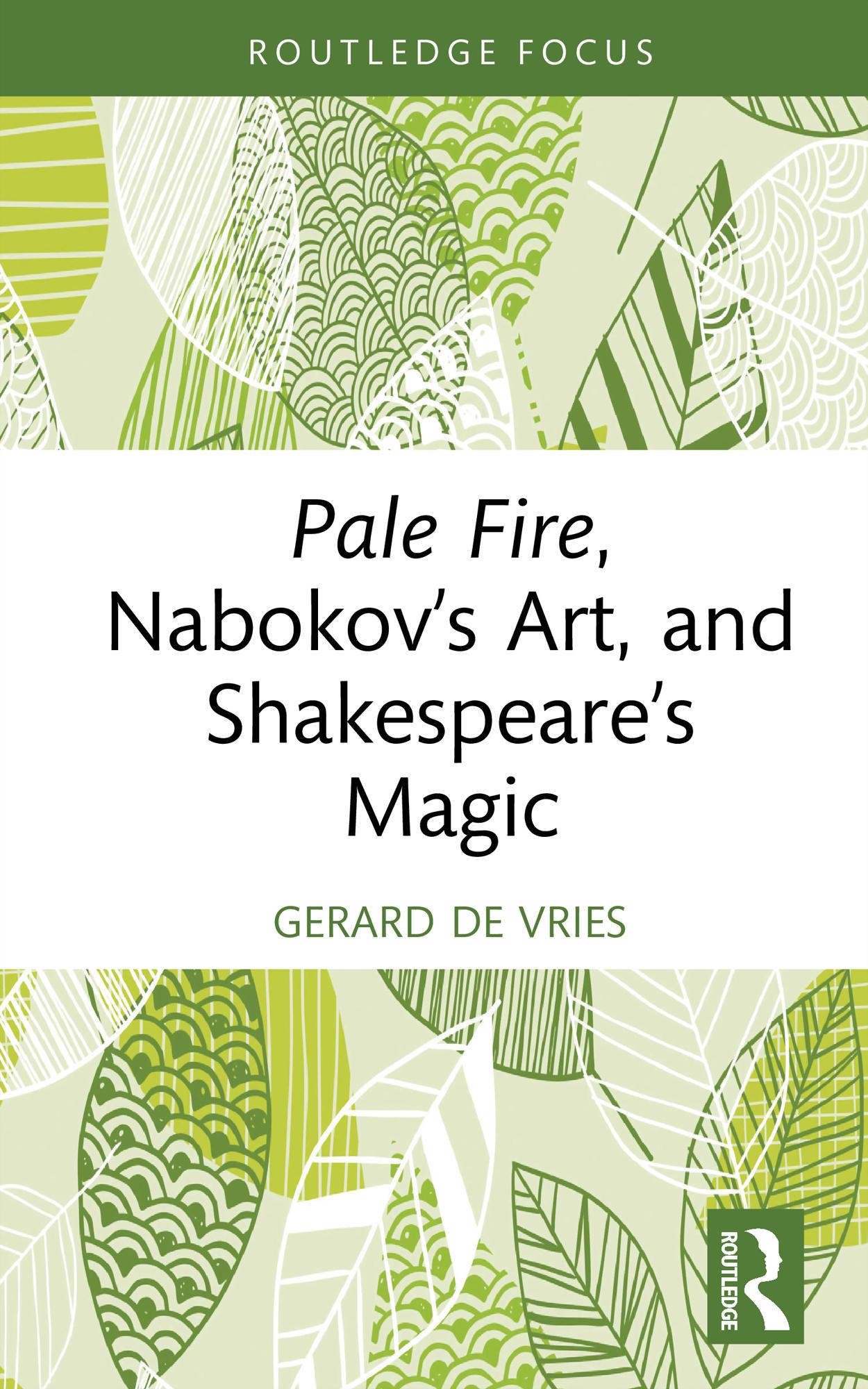
This manuscript examines Vladimir Nabokov's Pale Fire, widely regarded as his most challenging and critically acclaimed work. While Lolita remains Nabokov's best-known novel, Pale Fire has generated the most sustained scholarly attention and interpretive debate among literary critics. Existing scholarship on Shakespeare's influence in Pale Fire has remained narrowly focused on Timon of Athens, the source of the novel's title. This study provides the first comprehensive analysis of all fifty-one Shakespearean references throughout the text, examining the complete range of plays to which Nabokov alludes. Through systematic investigation of these intertextual connections, this work demonstrates that Nabokov's deployment of Shakespearean imagery functions as a crucial interpretive key to the novel's central concerns. The analysis reveals how Shakespeare's presence illuminates three fundamental themes in Pale Fire: the novel's autobiographical dimensions, the protagonist's quest for immortality, and the tragedy of Hazel Shade, the work's tragic heroine. By tracing these Shakespearean threads throughout Nabokov's intricate narrative structure, this study offers new insights into the novel's complex thematic architecture and demonstrates how literary allusion operates as both aesthetic strategy and meaning-making device in one of twentieth-century literature's most enigmatic masterworks.
Betal enkelt med kort, Klarna, Apple Pay eller Google Pay. Ikke fornøyd? Du har alltid 14 dagers angrerett. Les mer i våre vilkår. Har du spørsmål, send oss en e-post på hello@memmo.org.
Memmo gjør det enklere å studere – uansett hvor du er i verden. Hos oss samler du pensumbøker og smarte studieverktøy på ett og samme sted: sammendrag, quizer, podkaster og flashcards. Og så Ted, din studiekompis som svarer på alt du lurer på. Over 50 000 studenter studerer allerede her – bygget for at du skal lære raskere og stresse mindre.