
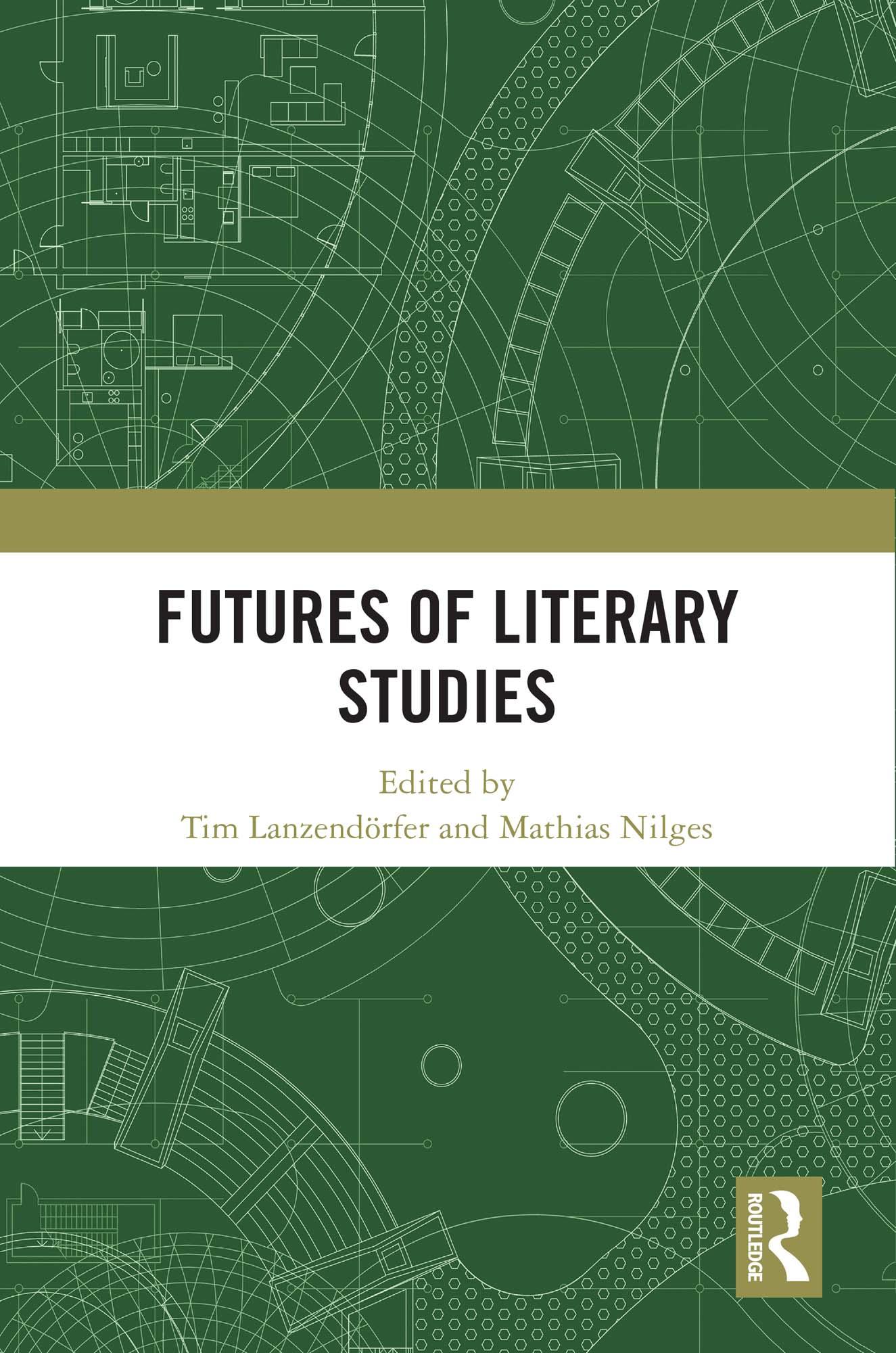
This book brings together essays that ask how one may chart more productive engagements with the methodological foundations of literary studies, a discipline that is finding itself in a moment of severe crisis. The temptation to reduce methodological debates to method wars constitutes one of the main obstacles for what ought to be the common goal of our discipline: to articulate the possible and indeed necessary futures of literary studies.
How do we think about the future of literary studies in the funerary climate that has engendered the belief that we need to fight our internal wars for survival? How might (must?) our understanding of what literary criticism is and does change? How do we formulate possible futures for literary studies while grappling with the significant problems that our present poses? The chapters in this volume stage hopeful interventions that seek to contribute to the effort to explore the futures of literary studies by way of and conceived as a collective endeavor. Together, the authors advance a call for better, more useful, more active, more networked, and, yes, even for abandoned versions of the always multiple and joyously contradictory discipline that is called literary studies.
This book will be beneficial to students and scholars of English literature, literary theory and literary studies. The chapters in this book were originally published as a special issue of Textual Practice and are accompanied by a new Preface.
Betal enkelt med kort, Klarna, Apple Pay eller Google Pay. Ikke fornøyd? Du har alltid 14 dagers angrerett. Les mer i våre vilkår. Har du spørsmål, send oss en e-post på hello@memmo.org.
Memmo gjør det enklere å studere – uansett hvor du er i verden. Hos oss samler du pensumbøker og smarte studieverktøy på ett og samme sted: sammendrag, quizer, podkaster og flashcards. Og så Ted, din studiekompis som svarer på alt du lurer på. Over 50 000 studenter studerer allerede her – bygget for at du skal lære raskere og stresse mindre.