
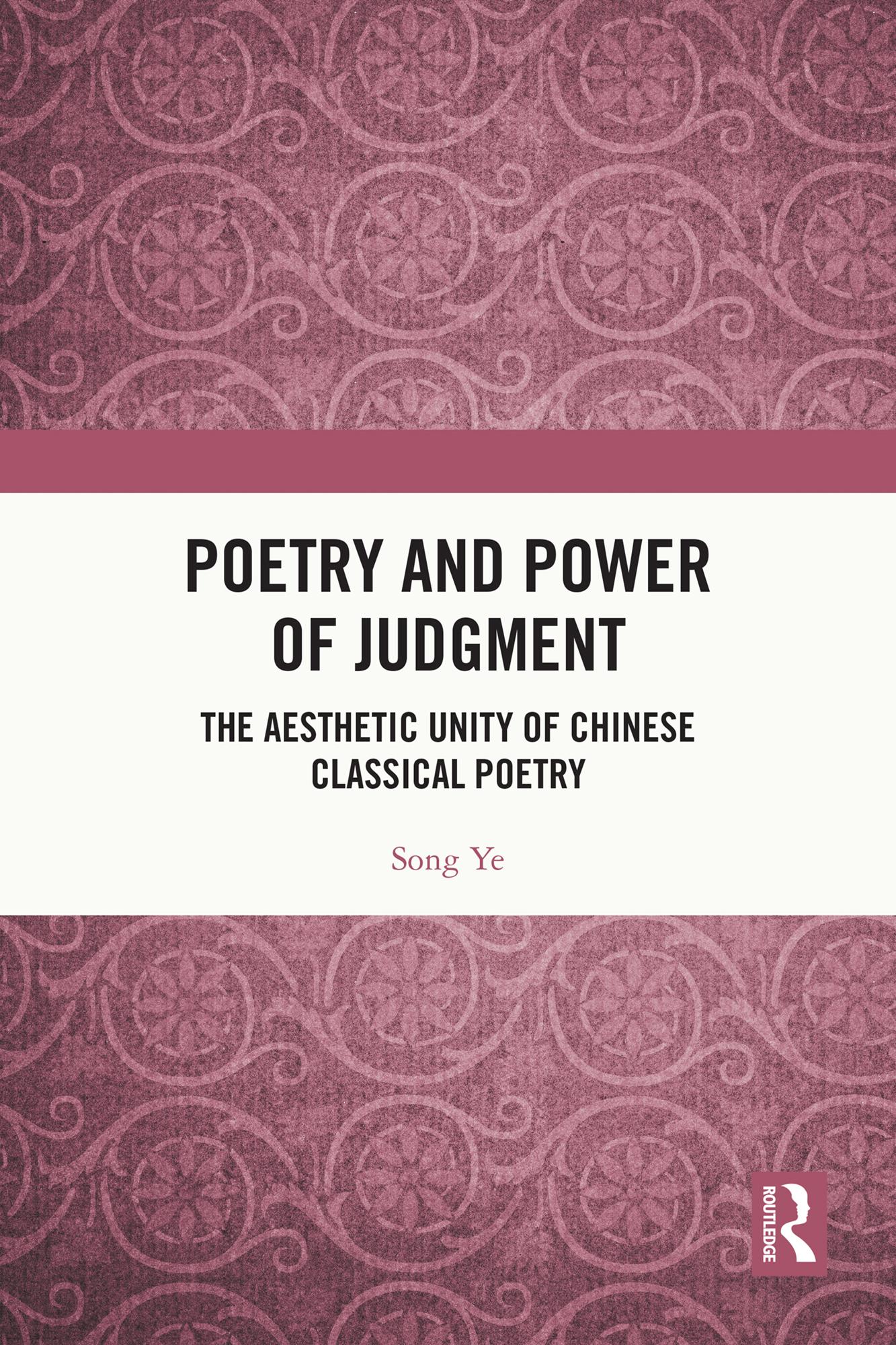
This book examines Chinese traditional poetry with an emphasis on the sources of pleasure in creating and appreciating classical Chinese poems and the basis for valid aesthetic judgments about poetry.
The pleasure derived from art plays a crucial role in people’s evaluation of its worth. This book shows that Chinese classical poetics and Western aesthetics agree on the sources of aesthetic pleasure. Both hold, despite their obvious differences, that aesthetic taste essentially involves cognition. The book explores important ideas in traditional Chinese poetry, emphasizing that “Poetry is founded upon the power of judgement (shi).” This central idea guides other key concepts throughout the history of Chinese poetics, revealing the fundamental principles of creating and appreciating poetic art. The author presents new views of traditional Chinese poetry and poetics by unifying these long-dispersed basic propositions into a new coherent cognitivist framework that also gives due importance to emotion.
Scholars and students studying Chinese literature, poetics, philosophy of art, and philosophy of mind will find this book interesting.
Betal enkelt med kort, Klarna, Apple Pay eller Google Pay. Ikke fornøyd? Du har alltid 14 dagers angrerett. Les mer i våre vilkår. Har du spørsmål, send oss en e-post på hello@memmo.org.
Memmo gjør det enklere å studere – uansett hvor du er i verden. Hos oss samler du pensumbøker og smarte studieverktøy på ett og samme sted: sammendrag, quizer, podkaster og flashcards. Og så Ted, din studiekompis som svarer på alt du lurer på. Over 50 000 studenter studerer allerede her – bygget for at du skal lære raskere og stresse mindre.