
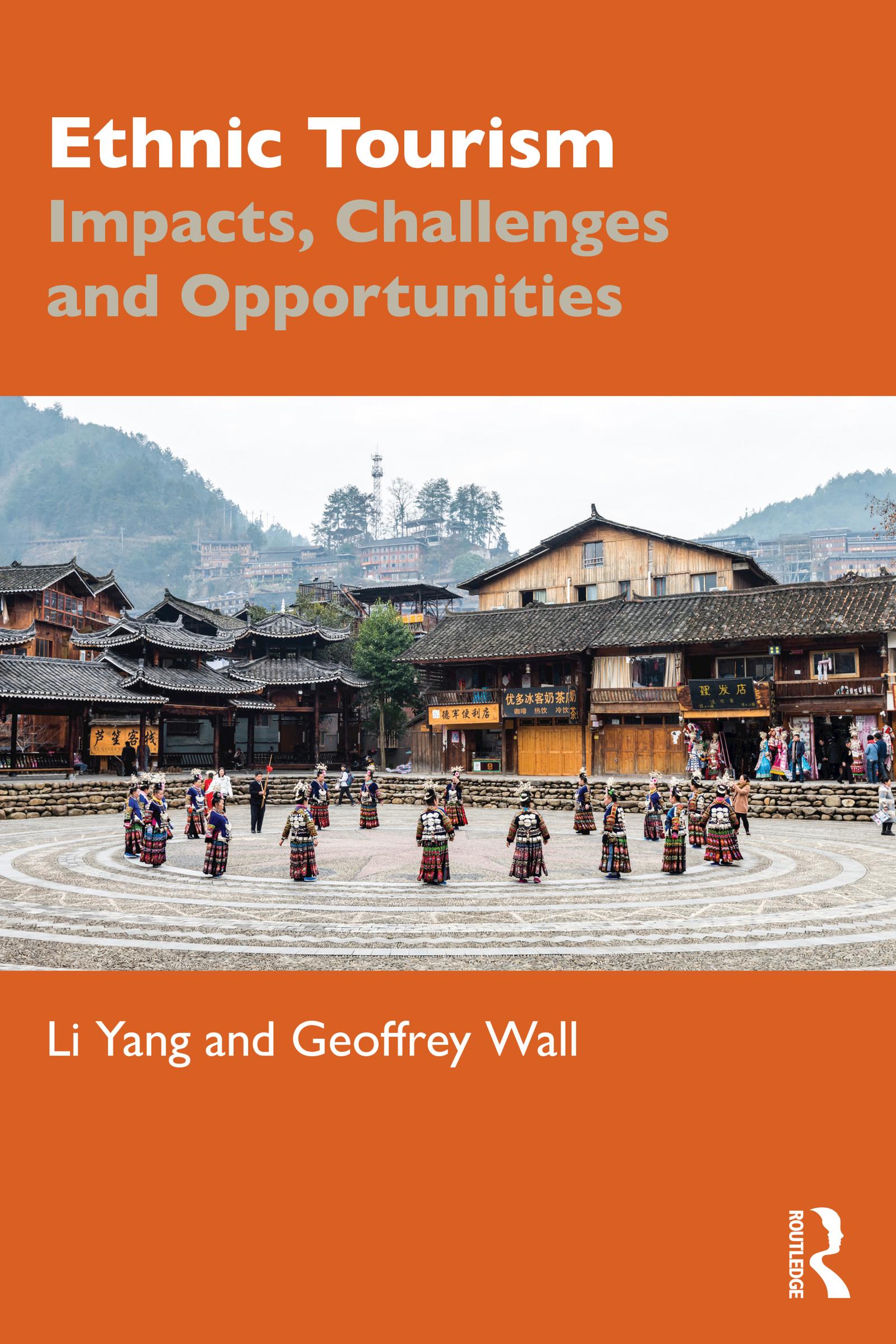
The book explores emerging themes, concepts, and issues in ethnic tourism, through examination of theoretical underpinnings and empirical research in various ethnic destinations worldwide.
It encapsulates cultural, environmental, and economic dimensions of ethnic tourism, which is a force of change in many ethnic communities and suggests means through which local benefits can be enhanced and costs reduced. This book presents a range of case studies from diverse well-known ethnic destinations which reveal the various outcomes and changes engendered by ethnic tourism, such as the commodification of ethnic culture, the exploitation of minority peoples by outsiders, and the impact of wider forces of modernization and national integration policies. It summarizes what has been done so far and suggests initiatives to increase the contribution of tourism to the economic development and quality of life of ethnic communities. It brings together a diversity of perspectives that are not currently readily available in one location.
The book will appeal to students, and scholars interested in social sciences, tourism studies, geography, anthropology, sociology and economics, as well as in applied disciplines such as planning. It addresses academic and professional audiences that are interested in tourism and its consequences, as well as those who are interested in ethnic, including indigenous peoples, and their circumstances.
Betal enkelt med kort, Klarna, Apple Pay eller Google Pay. Ikke fornøyd? Du har alltid 14 dagers angrerett. Les mer i våre vilkår. Har du spørsmål, send oss en e-post på hello@memmo.org.
Memmo gjør det enklere å studere – uansett hvor du er i verden. Hos oss samler du pensumbøker og smarte studieverktøy på ett og samme sted: sammendrag, quizer, podkaster og flashcards. Og så Ted, din studiekompis som svarer på alt du lurer på. Over 50 000 studenter studerer allerede her – bygget for at du skal lære raskere og stresse mindre.