
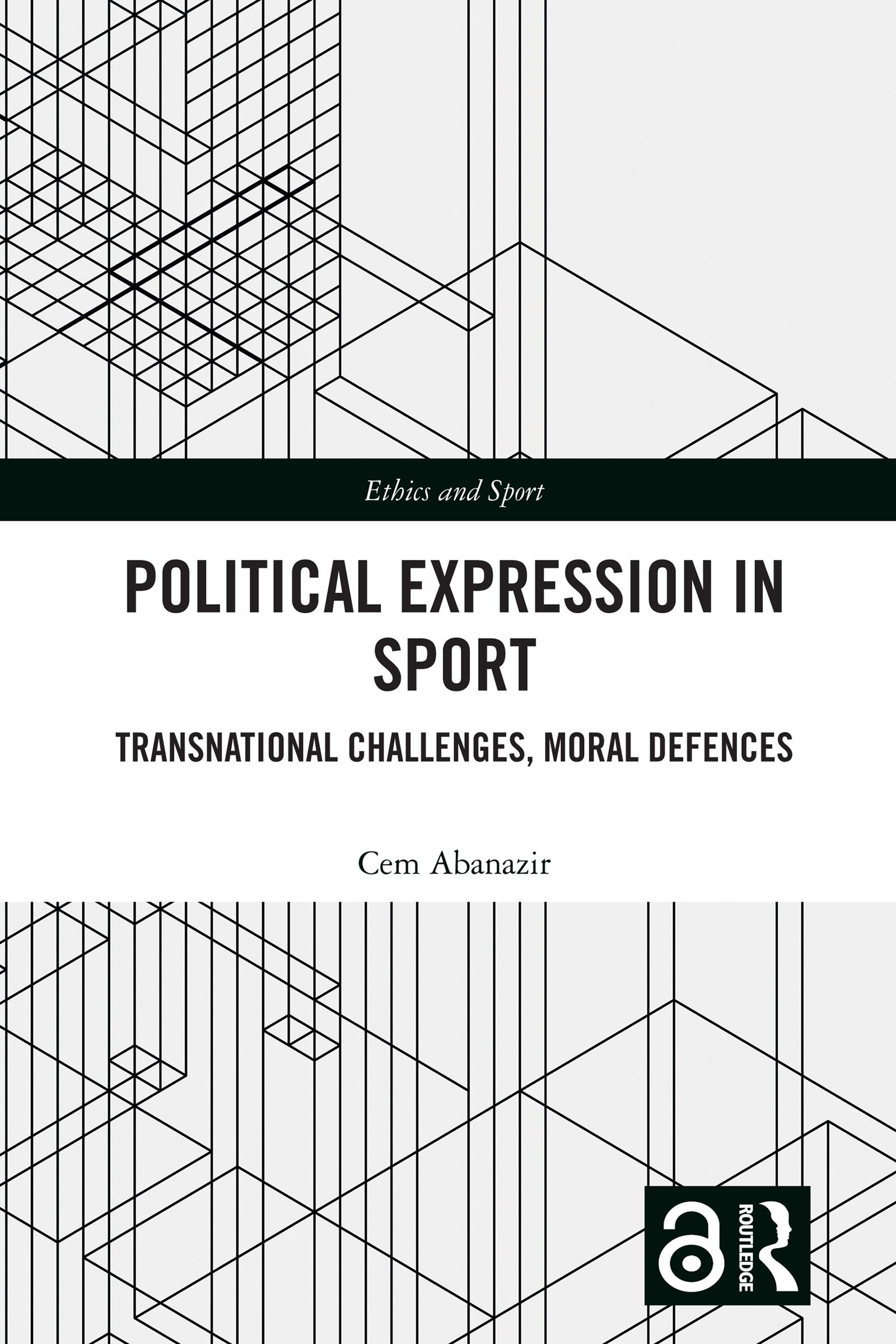
This powerful new book looks at how private institutions governing and organising sport restrict political expression. Uniquely, it makes a case for the freedom of expression for athletes, spectators and audiences built upon philosophical foundations.
In the era of Colin Kaepernick and taking a knee, politics and protest in sport have never been more visible and immediate. Drawing on a wide range of international cases, including protest actions from athletes such as Tommie Smith and John Carlos, Naomi Osaka and Feyisa Lilesa, as well as the reactions from sport organisations including the IOC, FIFA, UEFA and the NFL, the book argues that the organisation of sport at the hands of associations and leagues and their transnational power to regulate, adjudicate and enforce matters according to their interests lead to the restriction of freedom of expression. Focusing on the individual, the book presents a framework for the defence of freedom of expression in sport on moral grounds and also explores the limits to freedom of expression, especially those arising from hate speech, that might better serve both the individual and sport as an institution.
This book is fascinating reading for anybody with an interest in the ethics, philosophy or politics of sport, sport governance, the relationship between sport and wider society, or moral or political philosophy.
Betal enkelt med kort, Klarna, Apple Pay eller Google Pay. Ikke fornøyd? Du har alltid 14 dagers angrerett. Les mer i våre vilkår. Har du spørsmål, send oss en e-post på hello@memmo.org.
Memmo gjør det enklere å studere – uansett hvor du er i verden. Hos oss samler du pensumbøker og smarte studieverktøy på ett og samme sted: sammendrag, quizer, podkaster og flashcards. Og så Ted, din studiekompis som svarer på alt du lurer på. Over 50 000 studenter studerer allerede her – bygget for at du skal lære raskere og stresse mindre.