
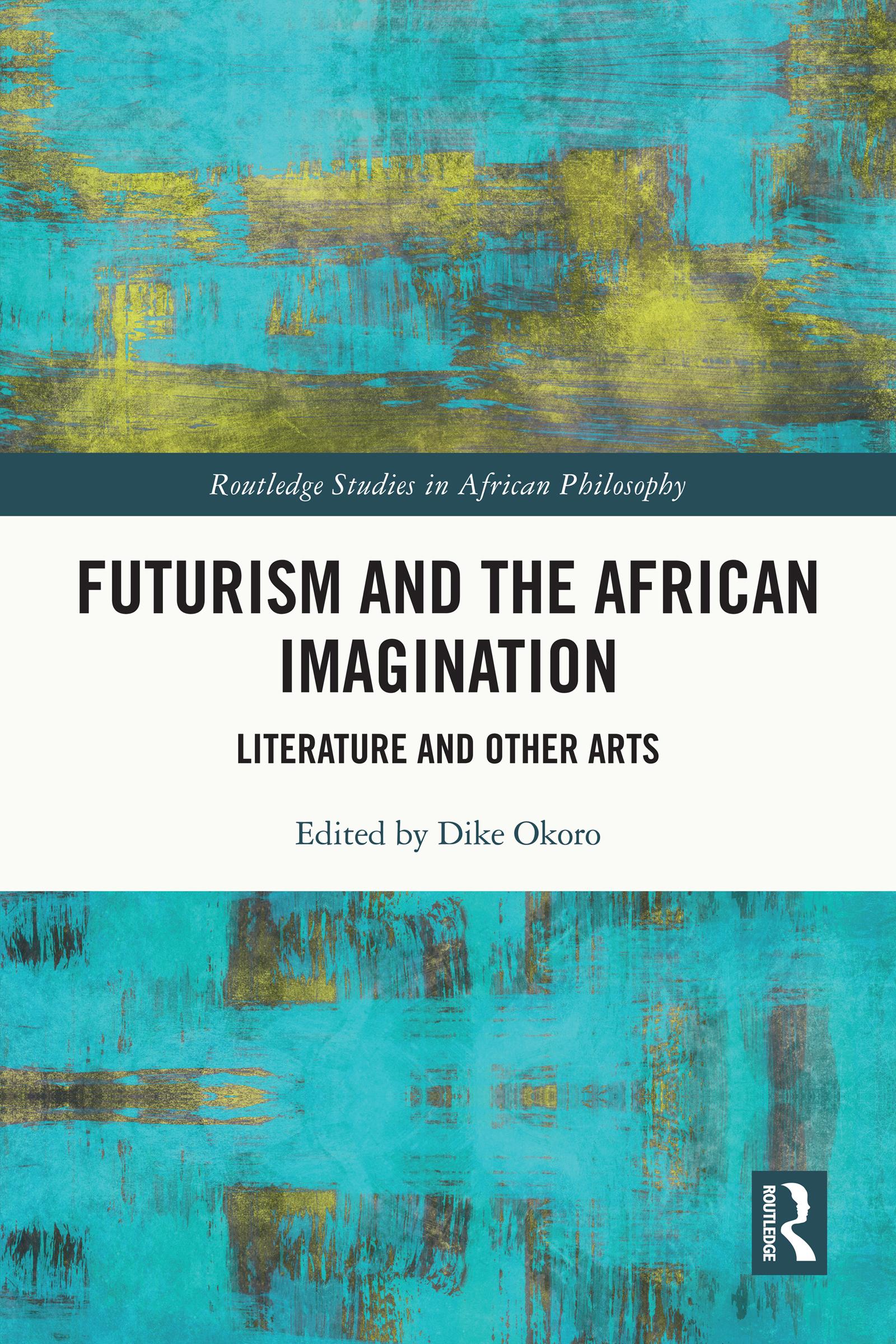
This book investigates how African authors and artists have explored themes of the future and technology within their works.
Afrofuturism was coined in the 1990s as a means of exploring the intersection of African diaspora culture with technology, science and science fiction. However, this book argues that literature and other arts within Africa have always reflected on themes of futurism, across diverse forms of speculative writing (including science fiction), images, spirituality, myth, magical realism, the supernatural, performance and other forms of oral resources. This book reflects on themes of African futurism across a range of literary and artistic works, also investigating how problems such as racism, sexism, social injustice and postcolonialism are reflected in these narratives. Chapters cover authors, artists, movements and performers such Wole Soyinka, Ben Okri, Ngugi wa Thiong’o, Elechi Amadi, Mazisi Kunene, Nnedi Okorafor, Lauren Beukes, Leslie Nneka Arimah and the New African Movement. The book also includes a range of original interviews with prominent authors and artists, including Tanure Ojaide, Lauren Beukes, Patricia Jabbeh Wesley, Benjamin Kwakye, Ntongela Masilela and Bruce Onobrakpeya.
Interdisciplinary in its approach, this book will be an important resource for researchers across the fields of African literature, philosophy, culture and politics.
Betal enkelt med kort, Klarna, Apple Pay eller Google Pay. Ikke fornøyd? Du har alltid 14 dagers angrerett. Les mer i våre vilkår. Har du spørsmål, send oss en e-post på hello@memmo.org.
Memmo gjør det enklere å studere – uansett hvor du er i verden. Hos oss samler du pensumbøker og smarte studieverktøy på ett og samme sted: sammendrag, quizer, podkaster og flashcards. Og så Ted, din studiekompis som svarer på alt du lurer på. Over 50 000 studenter studerer allerede her – bygget for at du skal lære raskere og stresse mindre.