
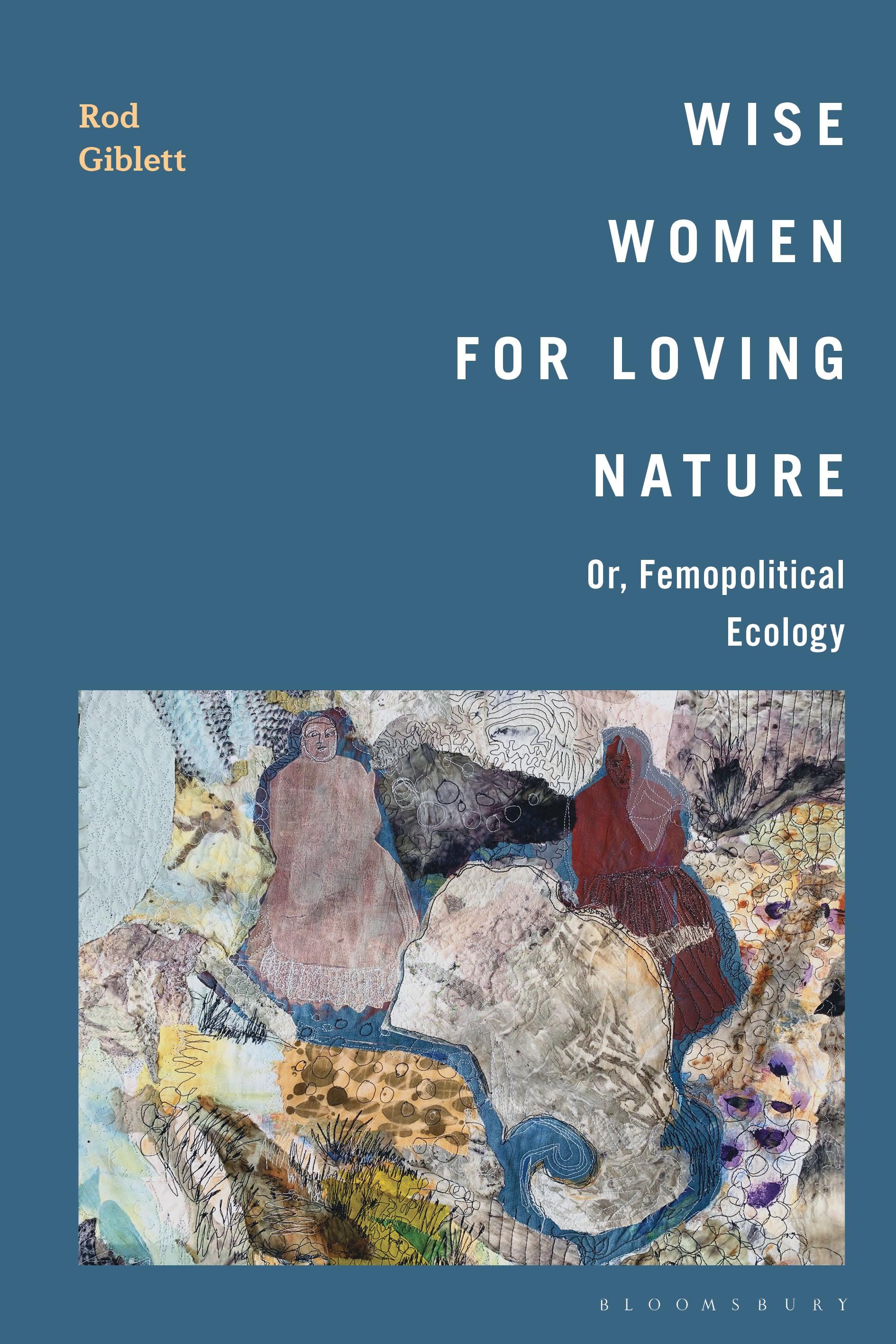
From Rachel Carson and Julia Kristeva to Rebecca Solnit and Nandi Chinna, the writers and artists featured here are 'patron saints', Rod Giblett shows, of a special aspect or approach to environmental conservation and contemplation: femopolitical ecology.
Through their bodies of work, these women make a collective call and create a compelling case and manifesto for loving nature, especially its fertile and life-giving functions. This is 'femopolitical ecology', the political ecology women create in writing or artworks for all people that deconstruct and decolonize the gendered construction of reality, not only of living beings, but also of processes, places and spaces, and nurtures love for them.
The truly transnational group of women come from a vast range of backgrounds across the north-south divide. Their work comes from a variety of disciplines and approaches, including psychoanalysis and feminism, and uses different materials, media and genres, such as poetry, painting, novels, essays, textiles and baskets.
As Giblett argues, all of these Wise Women for Loving Nature have a common concern with having and showing respect and reverence for the creativity and fertility of the life of the earth. Many write or create artworks expressing and nurturing love for wetlands and share a common critique of the masculinist, misogynist and patriarchal fascination with death, especially in the modern, capitalist, corporate-state cult of death manifested in war and the war against nature, including people and places. They sometimes collaborate with each other and often corroborate each other, creating fempolitical ecology.
Through their bodies of work, these women make a collective call and create a compelling case and manifesto for loving nature, especially its fertile and life-giving functions. This is 'femopolitical ecology', the political ecology women create in writing or artworks for all people that deconstruct and decolonize the gendered construction of reality, not only of living beings, but also of processes, places and spaces, and nurtures love for them.
The truly transnational group of women come from a vast range of backgrounds across the north-south divide. Their work comes from a variety of disciplines and approaches, including psychoanalysis and feminism, and uses different materials, media and genres, such as poetry, painting, novels, essays, textiles and baskets.
As Giblett argues, all of these Wise Women for Loving Nature have a common concern with having and showing respect and reverence for the creativity and fertility of the life of the earth. Many write or create artworks expressing and nurturing love for wetlands and share a common critique of the masculinist, misogynist and patriarchal fascination with death, especially in the modern, capitalist, corporate-state cult of death manifested in war and the war against nature, including people and places. They sometimes collaborate with each other and often corroborate each other, creating fempolitical ecology.
Payez facilement par carte, Klarna, Apple Pay ou Google Pay. Pas satisfait ? Vous avez toujours une garantie de remboursement de 14 jours. En savoir plus dans nos conditions. Si vous avez des questions, envoyez-nous un e-mail à hello@memmo.org.
Memmo facilite tes études, où que tu sois dans le monde. On rassemble tes manuels de cours et des outils d'étude intelligents au même endroit : résumés, quiz, podcasts et flashcards. Et il y a Ted, ton compagnon d'étude qui répond à toutes tes questions. Plus de 50 000 étudiants étudient déjà ici – conçu pour t'aider à apprendre plus vite et à moins stresser.