
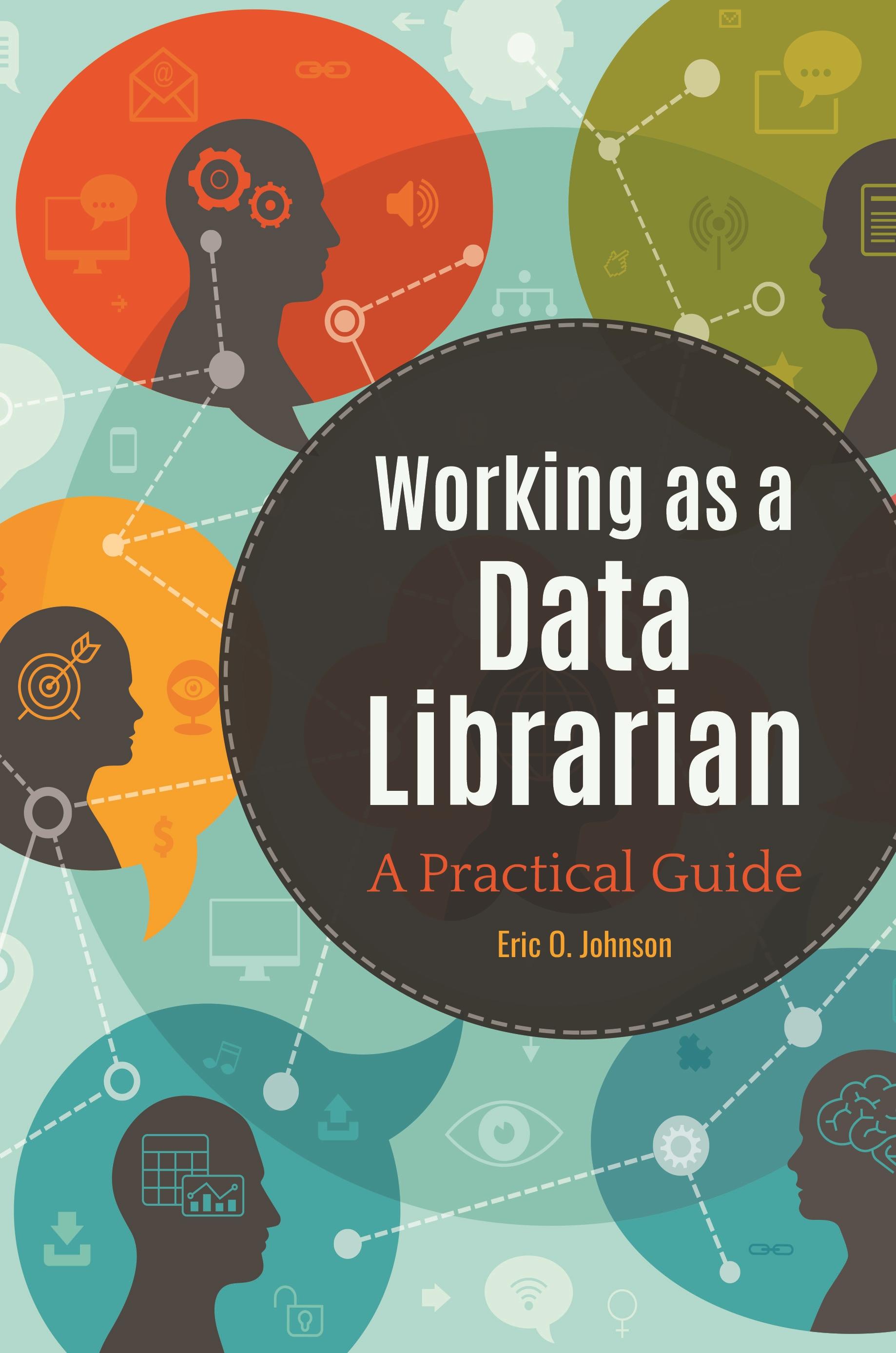
Many librarians' job responsibilities increasingly require them to understand and handle data. Learn how to be an effective data librarian—even if you never expected to need data skills.
The field of data librarianship is rapidly growing, and some librarians may feel that their training and experience does not cover data questions asked by patrons seeking advice. With this gentle guide for librarians moving—sometimes unexpectedly—into the world of data librarianship, all you need is a willingness to learn the skills required for the rapidly growing number of jobs requiring data librarianship.
Working as a Data Librarian focuses on transferable skills and understanding and does not assume extensive knowledge. It introduces tasks and concepts needed to be an effective data librarian, such as best practices for data reference interviewing, finding data sources, data visualization, data literacy, the data lifecycle, metadata design, database design, understanding data management, and preparing data management plans.
Additional sections focus on supporting creativity (Makerspaces and Fablabs, 3-D modeling), supporting analysis (GIS, data visualization, text mining, statistical methods), supporting research (digital scholarship, digital preservation, institutional data repositories, scholarly communication), and outreach (data librarian liaisonship, hackathons, developing outreach programs).
The field of data librarianship is rapidly growing, and some librarians may feel that their training and experience does not cover data questions asked by patrons seeking advice. With this gentle guide for librarians moving—sometimes unexpectedly—into the world of data librarianship, all you need is a willingness to learn the skills required for the rapidly growing number of jobs requiring data librarianship.
Working as a Data Librarian focuses on transferable skills and understanding and does not assume extensive knowledge. It introduces tasks and concepts needed to be an effective data librarian, such as best practices for data reference interviewing, finding data sources, data visualization, data literacy, the data lifecycle, metadata design, database design, understanding data management, and preparing data management plans.
Additional sections focus on supporting creativity (Makerspaces and Fablabs, 3-D modeling), supporting analysis (GIS, data visualization, text mining, statistical methods), supporting research (digital scholarship, digital preservation, institutional data repositories, scholarly communication), and outreach (data librarian liaisonship, hackathons, developing outreach programs).
Payez facilement par carte, Klarna, Apple Pay ou Google Pay. Pas satisfait ? Vous avez toujours une garantie de remboursement de 14 jours. En savoir plus dans nos conditions. Si vous avez des questions, envoyez-nous un e-mail à hello@memmo.org.
Memmo facilite tes études, où que tu sois dans le monde. On rassemble tes manuels de cours et des outils d'étude intelligents au même endroit : résumés, quiz, podcasts et flashcards. Et il y a Ted, ton compagnon d'étude qui répond à toutes tes questions. Plus de 50 000 étudiants étudient déjà ici – conçu pour t'aider à apprendre plus vite et à moins stresser.