
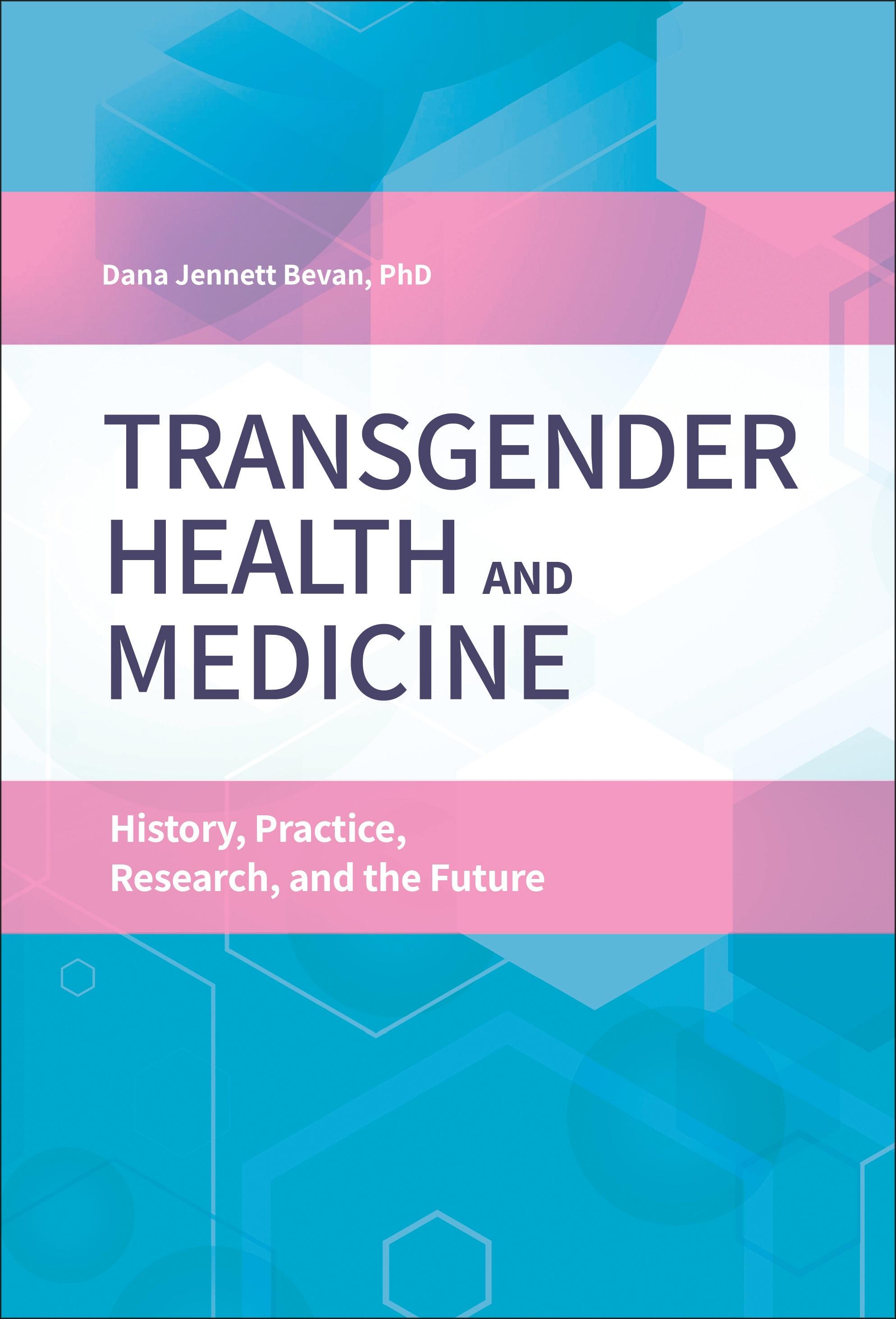
This text starts with the history of transgender science and provides current, evidence-based information on theories and treatment procedures, concluding with projections of future scientific developments.
A transgender person is one whose congruent gender behavior (e.g., masculine, feminine, genderqueer) does not match the culturally assigned gender category based on their sex at birth. For example, a transgender person may behave and present as a woman despite being born with male genitalia.This book provides background on transgender history, needs, assessment, and procedures; side effects of procedures; and outcomes that all providers need to understand to treat transgender patients and relate to their particular expectations.
The current etiquette basis for establishing an effective provider-patient relationship is highlighted. Pathological terms are no longer acceptable and new non-pathological terms are rapidly replacing them, because being transgender is now recognized as a natural part of diversity rather than a disease or disorder. Also included here are new theories of causation and treatment approaches for providers.The book additionally outlines current and earlier schools of thought and provides an integrated theory of transgender causation that includes genetic, epigenetic, cultural, and early learning/emergence factors and highlights research needs and expected future research topics.
A transgender person is one whose congruent gender behavior (e.g., masculine, feminine, genderqueer) does not match the culturally assigned gender category based on their sex at birth. For example, a transgender person may behave and present as a woman despite being born with male genitalia.This book provides background on transgender history, needs, assessment, and procedures; side effects of procedures; and outcomes that all providers need to understand to treat transgender patients and relate to their particular expectations.
The current etiquette basis for establishing an effective provider-patient relationship is highlighted. Pathological terms are no longer acceptable and new non-pathological terms are rapidly replacing them, because being transgender is now recognized as a natural part of diversity rather than a disease or disorder. Also included here are new theories of causation and treatment approaches for providers.The book additionally outlines current and earlier schools of thought and provides an integrated theory of transgender causation that includes genetic, epigenetic, cultural, and early learning/emergence factors and highlights research needs and expected future research topics.
Payez facilement par carte, Klarna, Apple Pay ou Google Pay. Pas satisfait ? Vous avez toujours une garantie de remboursement de 14 jours. En savoir plus dans nos conditions. Si vous avez des questions, envoyez-nous un e-mail à hello@memmo.org.
Memmo facilite tes études, où que tu sois dans le monde. On rassemble tes manuels de cours et des outils d'étude intelligents au même endroit : résumés, quiz, podcasts et flashcards. Et il y a Ted, ton compagnon d'étude qui répond à toutes tes questions. Plus de 50 000 étudiants étudient déjà ici – conçu pour t'aider à apprendre plus vite et à moins stresser.