
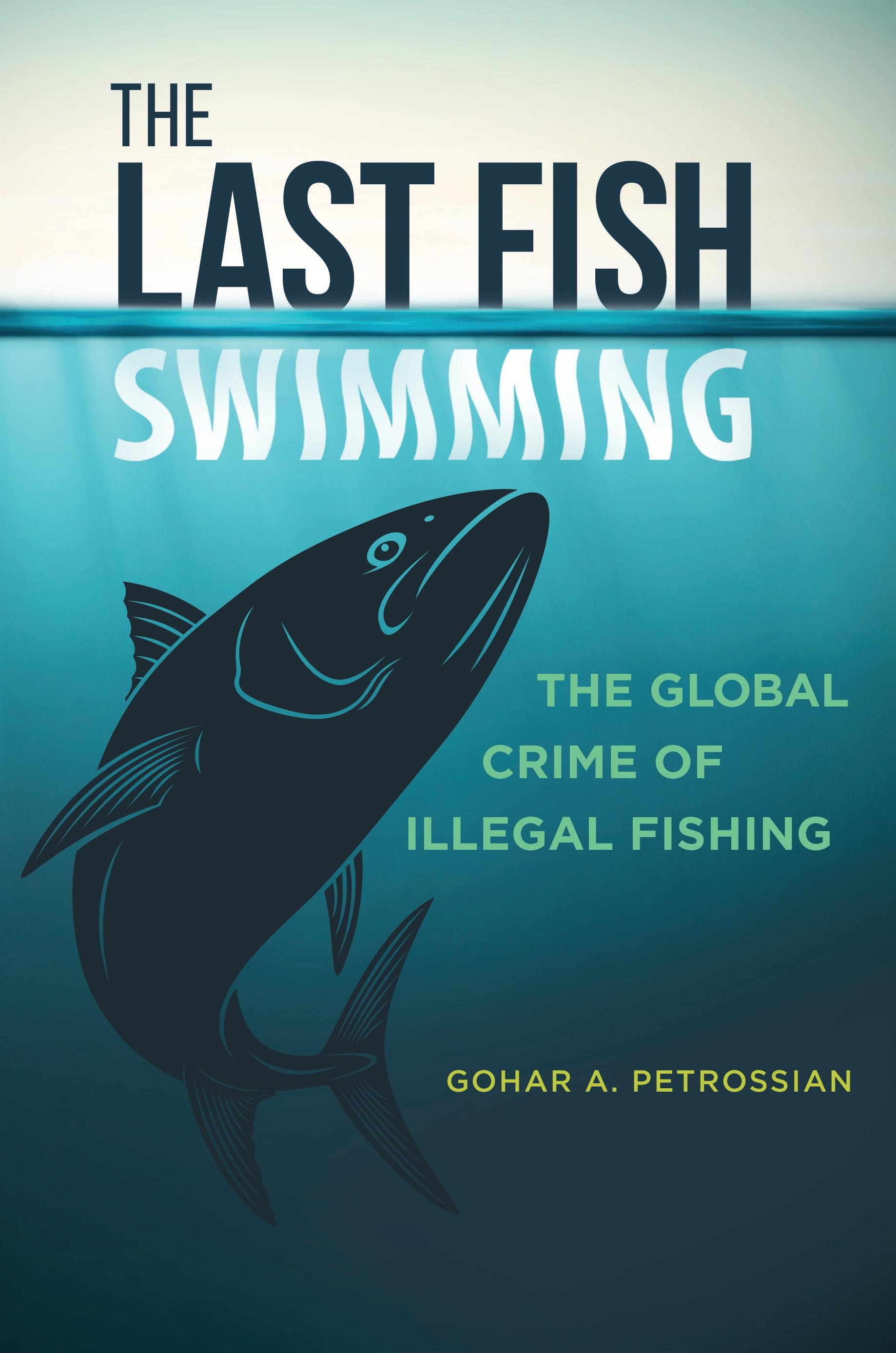
This book examines the global, local, and specific environmental factors that facilitate illegal fishing and proposes effective ways to reduce the opportunities and incentives that threaten the existence of the world's fish.
Humans are deeply dependent on fishing—globally, fish comprise 15 percent of the protein intake for approximately 3 billion people, and 8 percent of the global population depends on the fishing industry as their livelihood. The global fishing industry is plagued by illegal fishing, however, and many highly commercial species, such as cod, tuna, orange roughy, and swordfish, are extremely vulnerable.
Through criminological analysis, The Last Fish Swimming emphasizes the importance of looking at specific environmental factors that make illegal fishing possible. It examines such factors as proximity to known ports where illegally caught fish can be landed without inspection (i.e., ports of convenience), fisheries monitoring, control and surveillance efforts, formal surveillance, and resource attractiveness in 53 countries that altogether represent 96 percent of the world's fish catch. The book calls upon the global community to address the illegal depletion of the world's fish stock and other similar threats to the world's food supply and natural environment in order to ensure the sustainability of the planet's fish and continuation of the legal fishing industry for generations to come.
Humans are deeply dependent on fishing—globally, fish comprise 15 percent of the protein intake for approximately 3 billion people, and 8 percent of the global population depends on the fishing industry as their livelihood. The global fishing industry is plagued by illegal fishing, however, and many highly commercial species, such as cod, tuna, orange roughy, and swordfish, are extremely vulnerable.
Through criminological analysis, The Last Fish Swimming emphasizes the importance of looking at specific environmental factors that make illegal fishing possible. It examines such factors as proximity to known ports where illegally caught fish can be landed without inspection (i.e., ports of convenience), fisheries monitoring, control and surveillance efforts, formal surveillance, and resource attractiveness in 53 countries that altogether represent 96 percent of the world's fish catch. The book calls upon the global community to address the illegal depletion of the world's fish stock and other similar threats to the world's food supply and natural environment in order to ensure the sustainability of the planet's fish and continuation of the legal fishing industry for generations to come.
Payez facilement par carte, Klarna, Apple Pay ou Google Pay. Pas satisfait ? Vous avez toujours une garantie de remboursement de 14 jours. En savoir plus dans nos conditions. Si vous avez des questions, envoyez-nous un e-mail à hello@memmo.org.
Memmo facilite tes études, où que tu sois dans le monde. On rassemble tes manuels de cours et des outils d'étude intelligents au même endroit : résumés, quiz, podcasts et flashcards. Et il y a Ted, ton compagnon d'étude qui répond à toutes tes questions. Plus de 50 000 étudiants étudient déjà ici – conçu pour t'aider à apprendre plus vite et à moins stresser.