
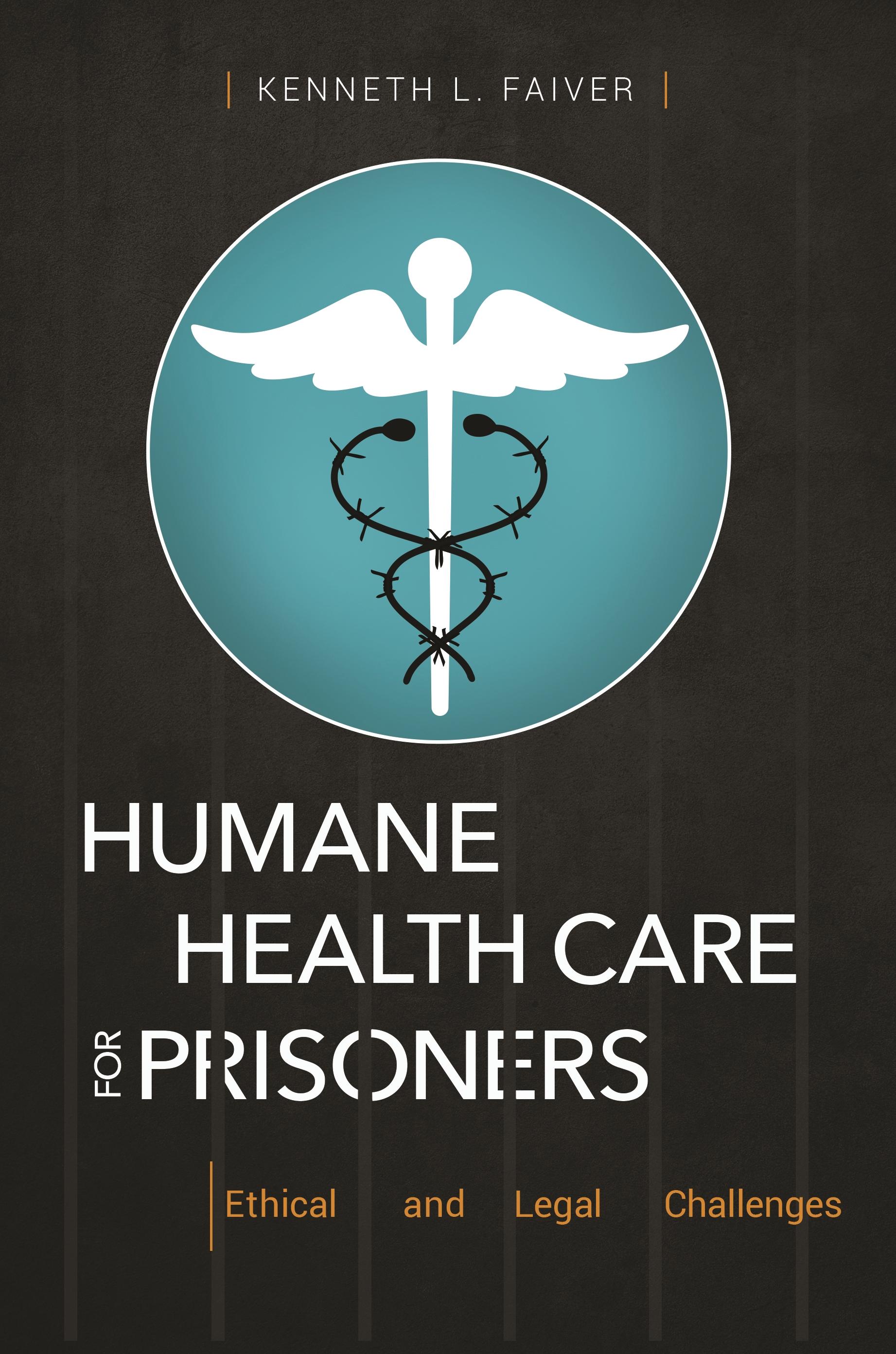
A useful research resource and handy reference, this book discusses the many important ethical and legal issues that arise in the delivery of health care to prisoners at correctional facilities. It references national standards of professional practice as well as the advice of recognized experts.
The mission of corrections is the care and custody of prisoners with a view to public safety within a place dedicated to punishment, while the mission of the medical and mental health professionals in a corrections facility is to care for the health and well-being of the prisoners. Both have a duty to provide care, but their differing roles and objectives give rise to ethical role conflict and disagreement regarding appropriate care strategies.
Humane Health Care for Prisoners considers important ethical and legal issues that arise in the delivery of health care to prisoners, covering topics such as privacy, confidentiality, informed consent, extended isolation and solitary confinement, use of mace, strip searches and body cavity searches, and medical experimentation on prisoners as human subjects. It also considers participation by health care professionals in capital punishment, coerced substance abuse treatment, how much health care to provide, organizational structure and hierarchy, cooperation between correctional and health care staff, and the importance of recognizing mental illness as a chronic condition.
This book is informative for professionals working in corrections facilities, such as physicians, psychiatrists, psychologists, nurses, wardens, jail administrators, sheriffs, and corrections officials, as well as legislators and decision makers, attorneys involved in correctional healthcare lawsuits, students of criminal justice, and those seeking to work in the field of correctional health care or in corrections. Additionally, students and professors of medical ethics will find this book helpful in illustrating real-life topics for research and discussion.
The mission of corrections is the care and custody of prisoners with a view to public safety within a place dedicated to punishment, while the mission of the medical and mental health professionals in a corrections facility is to care for the health and well-being of the prisoners. Both have a duty to provide care, but their differing roles and objectives give rise to ethical role conflict and disagreement regarding appropriate care strategies.
Humane Health Care for Prisoners considers important ethical and legal issues that arise in the delivery of health care to prisoners, covering topics such as privacy, confidentiality, informed consent, extended isolation and solitary confinement, use of mace, strip searches and body cavity searches, and medical experimentation on prisoners as human subjects. It also considers participation by health care professionals in capital punishment, coerced substance abuse treatment, how much health care to provide, organizational structure and hierarchy, cooperation between correctional and health care staff, and the importance of recognizing mental illness as a chronic condition.
This book is informative for professionals working in corrections facilities, such as physicians, psychiatrists, psychologists, nurses, wardens, jail administrators, sheriffs, and corrections officials, as well as legislators and decision makers, attorneys involved in correctional healthcare lawsuits, students of criminal justice, and those seeking to work in the field of correctional health care or in corrections. Additionally, students and professors of medical ethics will find this book helpful in illustrating real-life topics for research and discussion.
Payez facilement par carte, Klarna, Apple Pay ou Google Pay. Pas satisfait ? Vous avez toujours une garantie de remboursement de 14 jours. En savoir plus dans nos conditions. Si vous avez des questions, envoyez-nous un e-mail à hello@memmo.org.
Memmo facilite tes études, où que tu sois dans le monde. On rassemble tes manuels de cours et des outils d'étude intelligents au même endroit : résumés, quiz, podcasts et flashcards. Et il y a Ted, ton compagnon d'étude qui répond à toutes tes questions. Plus de 50 000 étudiants étudient déjà ici – conçu pour t'aider à apprendre plus vite et à moins stresser.