
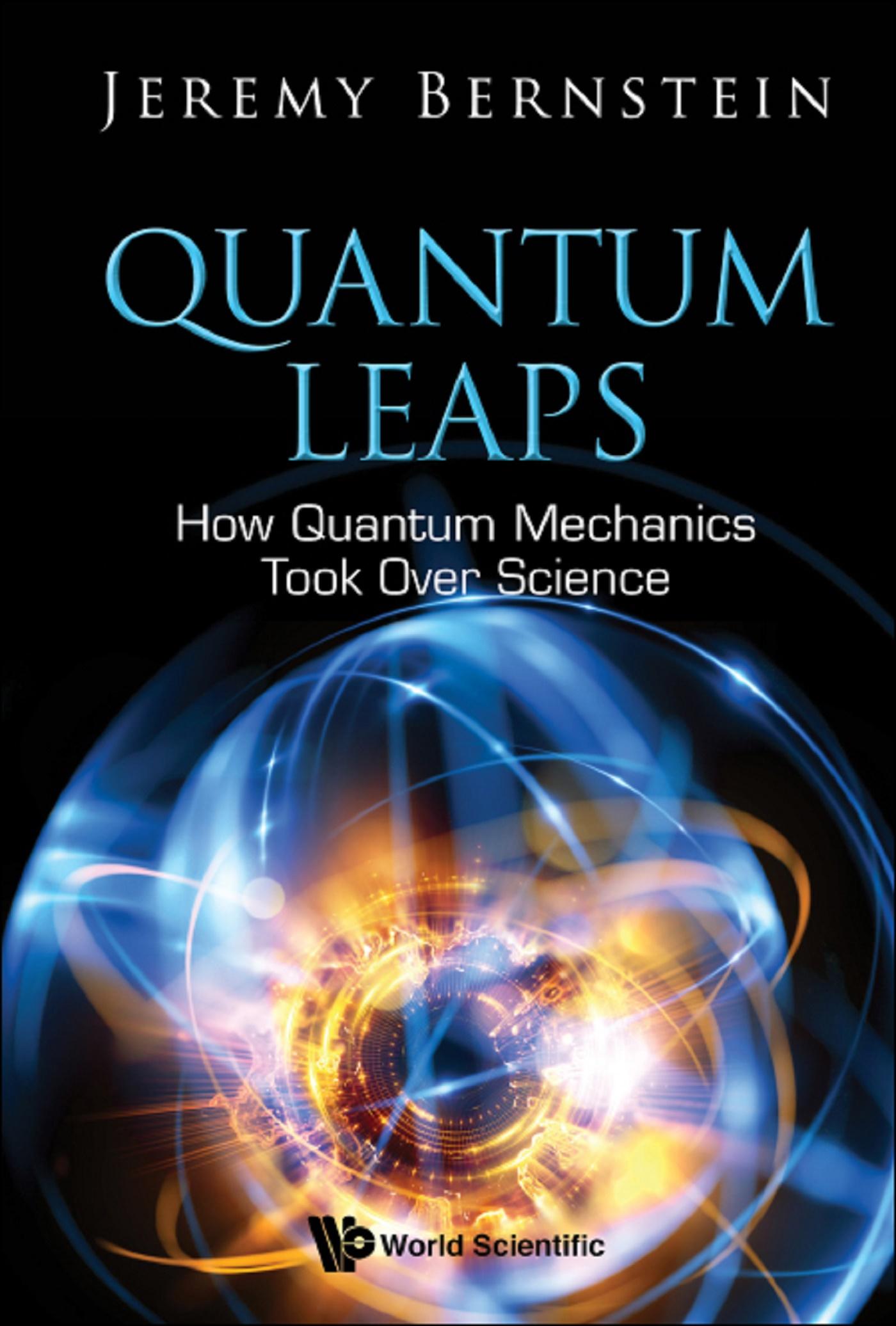
In the early years of its conception, J Robert Oppenheimer spoke of quantum theory as a subject that was 'unlikely to be known to any poet or historian.' Yet, as Bernstein notes, in just sixty-odd years, one can find at least nine million entries on Google under the rubric 'quantum theory' — from poets and historians, as well as film critics and Buddhist monks. How did quantum mechanics enter general culture so pervasively?Having studied the subject for over a half-century, Jeremy Bernstein returns in this second edition to enlighten readers with a witty insider's perspective on the development of quantum theory as well as its loopholes. It is also a scintillating account of the interplay between brilliance and fallibility in humankind, even in the key figures who have shaped common understanding of quantum theory — such eminent figures include Niels Bohr, the Dalai Lama, Tom Stoppard, and most notably, John Bell who made pioneering contributions in quantum physics.At once thought-provoking and intellectual, this semi-autobiographical popular science book is highly recommended for readers with rudimentary knowledge of science history, philosophy, and naturally, physics.
Payez facilement par carte, Klarna, Apple Pay ou Google Pay. Pas satisfait ? Vous avez toujours une garantie de remboursement de 14 jours. En savoir plus dans nos conditions. Si vous avez des questions, envoyez-nous un e-mail à hello@memmo.org.
Memmo facilite tes études, où que tu sois dans le monde. On rassemble tes manuels de cours et des outils d'étude intelligents au même endroit : résumés, quiz, podcasts et flashcards. Et il y a Ted, ton compagnon d'étude qui répond à toutes tes questions. Plus de 50 000 étudiants étudient déjà ici – conçu pour t'aider à apprendre plus vite et à moins stresser.
Tu pourrais aussi aimer
Acheter le livre0