
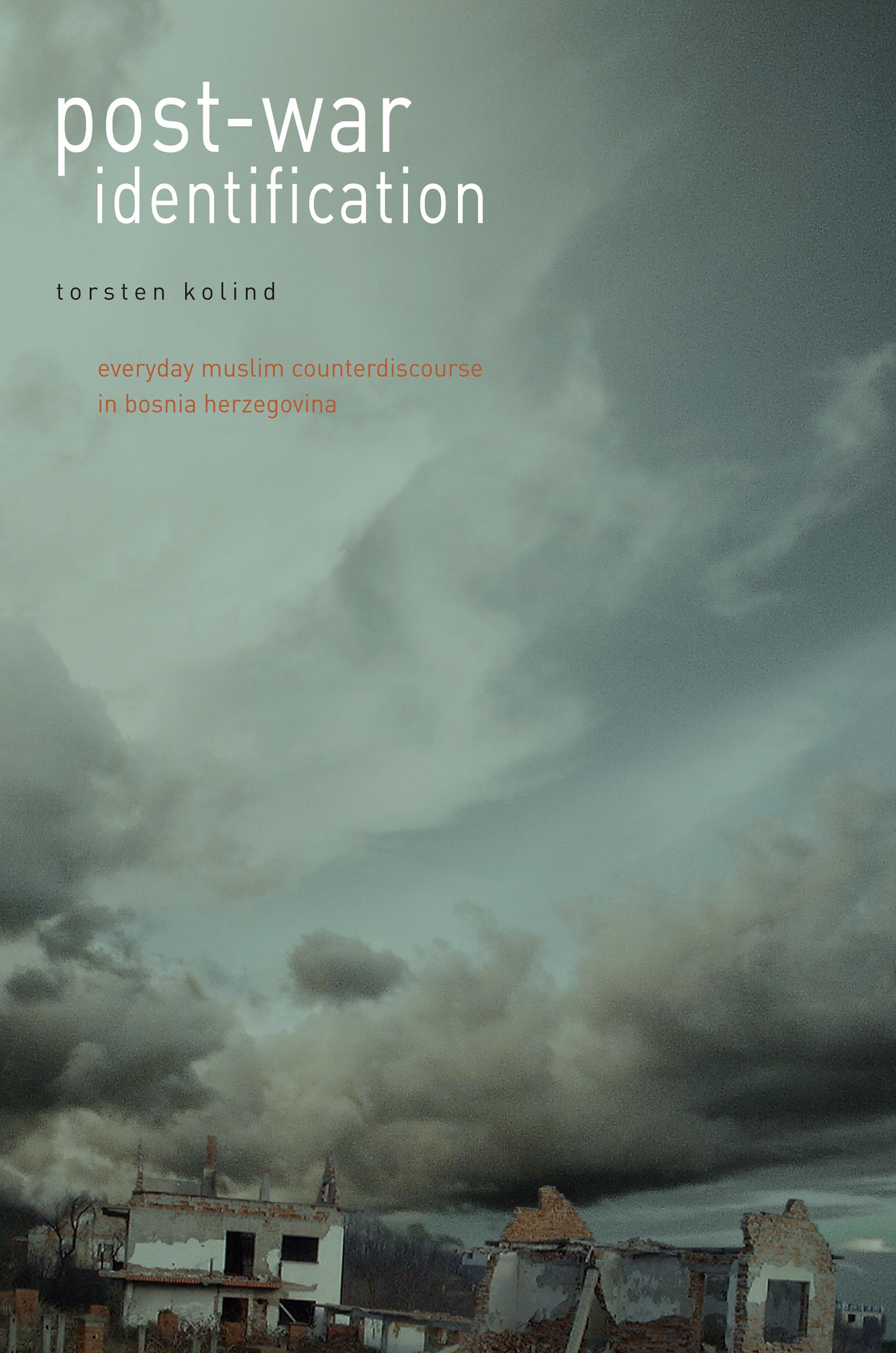
Stolac, the town of departure for this book and the site where the author conducted fieldwork, is located in the south-western corner of Bosnia Herzegovina. The war in Bosnia Herzegovina (1992-95) was initially an act of aggression and territorial conquest instigated by Serbian political leaders. However, as the war progressed, it increasingly came to consist of several minor wars, one of them fought in Western Bosnia Herzegovina between Croatian and Muslim forces. This was the one that affected the inhabitants of Stolac the most. Before the war, ethnic identity in Bosnia Herzegovina was only one identity among others, and ethnic differences were embedded in everyday practices. Today, ethnic difference is all there is. The Muslims of Stolac are fully aware that as Muslims, they constitute a totally separate group - and that ethnic identity is by far the most important form of identity in present-day Bosnia Herzegovina. In that regard the nationalist project has succeeded. Such a crystallisation and explication of identity fits in well with the structurally inspired anthropology of war and violence, which theorises that the function of violence is to create unambiguous identities. However, Post-War Identities shows that for the Muslims of Stolac, the creation of unambiguous ethnic identities is only half the story.
Payez facilement par carte, Klarna, Apple Pay ou Google Pay. Pas satisfait ? Vous avez toujours une garantie de remboursement de 14 jours. En savoir plus dans nos conditions. Si vous avez des questions, envoyez-nous un e-mail à hello@memmo.org.
Memmo facilite tes études, où que tu sois dans le monde. On rassemble tes manuels de cours et des outils d'étude intelligents au même endroit : résumés, quiz, podcasts et flashcards. Et il y a Ted, ton compagnon d'étude qui répond à toutes tes questions. Plus de 50 000 étudiants étudient déjà ici – conçu pour t'aider à apprendre plus vite et à moins stresser.
Tu pourrais aussi aimer
Acheter le livre0