
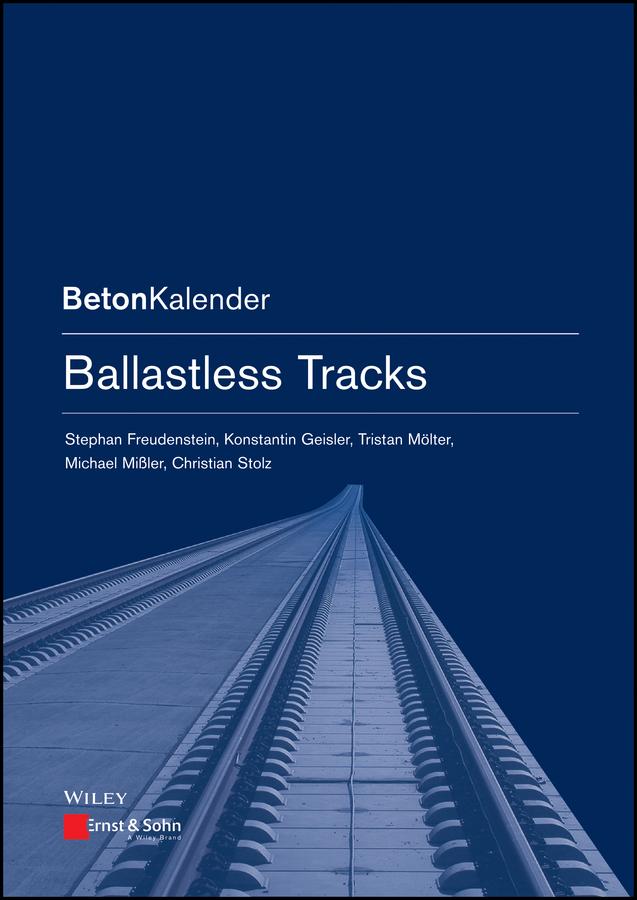
Due to increasing traffic flows the extension of transport infrastructure with rail roads and high speed lines is an ongoing process worldwide. Ballastless track systems with concrete slabs are used more and more.
Following the first trials in the 1970s and more than four decades of R&D work on ballastless track, the level of development is such that it can be confirmed that ballastless track is suitable for use as an alternative to ballasted track. This book makes a contribution to the state of the art of ballastless track by describing the basics for designing the ballastless track. Important advice is provided regarding the construction of ballastless track on earthworks and in tunnels. There is also a description of the technical history of the development of ballastless track on bridges and the ensuing findings for bridge design. The state of the art of ballastless track for switches, important information on details concerning drainage, transitions, accessibility for road vehicles and experience gleaned from maintenance round off the work.
Selected chapters from the German concrete yearbook are now being published in the new English "Beton-Kalender Series" for the benefit of an international audience.
Since it was founded in 1906, the Ernst & Sohn "Beton-Kalender" has been supporting developments in reinforced and prestressed concrete. The aim was to publish a yearbook to reflect progress in "ferro-concrete" structures until - as the book's first editor, Fritz von Emperger (1862-1942), expressed it - the "tempestuous development" in this form of construction came to an end. However, the "Beton-Kalender" quickly became the chosen work of reference for civil and structural engineers, and apart from the years 1945-1950 has been published annually ever since.
Following the first trials in the 1970s and more than four decades of R&D work on ballastless track, the level of development is such that it can be confirmed that ballastless track is suitable for use as an alternative to ballasted track. This book makes a contribution to the state of the art of ballastless track by describing the basics for designing the ballastless track. Important advice is provided regarding the construction of ballastless track on earthworks and in tunnels. There is also a description of the technical history of the development of ballastless track on bridges and the ensuing findings for bridge design. The state of the art of ballastless track for switches, important information on details concerning drainage, transitions, accessibility for road vehicles and experience gleaned from maintenance round off the work.
Selected chapters from the German concrete yearbook are now being published in the new English "Beton-Kalender Series" for the benefit of an international audience.
Since it was founded in 1906, the Ernst & Sohn "Beton-Kalender" has been supporting developments in reinforced and prestressed concrete. The aim was to publish a yearbook to reflect progress in "ferro-concrete" structures until - as the book's first editor, Fritz von Emperger (1862-1942), expressed it - the "tempestuous development" in this form of construction came to an end. However, the "Beton-Kalender" quickly became the chosen work of reference for civil and structural engineers, and apart from the years 1945-1950 has been published annually ever since.
Payez facilement par carte, Klarna, Apple Pay ou Google Pay. Pas satisfait ? Vous avez toujours une garantie de remboursement de 14 jours. En savoir plus dans nos conditions. Si vous avez des questions, envoyez-nous un e-mail à hello@memmo.org.
Memmo facilite tes études, où que tu sois dans le monde. On rassemble tes manuels de cours et des outils d'étude intelligents au même endroit : résumés, quiz, podcasts et flashcards. Et il y a Ted, ton compagnon d'étude qui répond à toutes tes questions. Plus de 50 000 étudiants étudient déjà ici – conçu pour t'aider à apprendre plus vite et à moins stresser.