
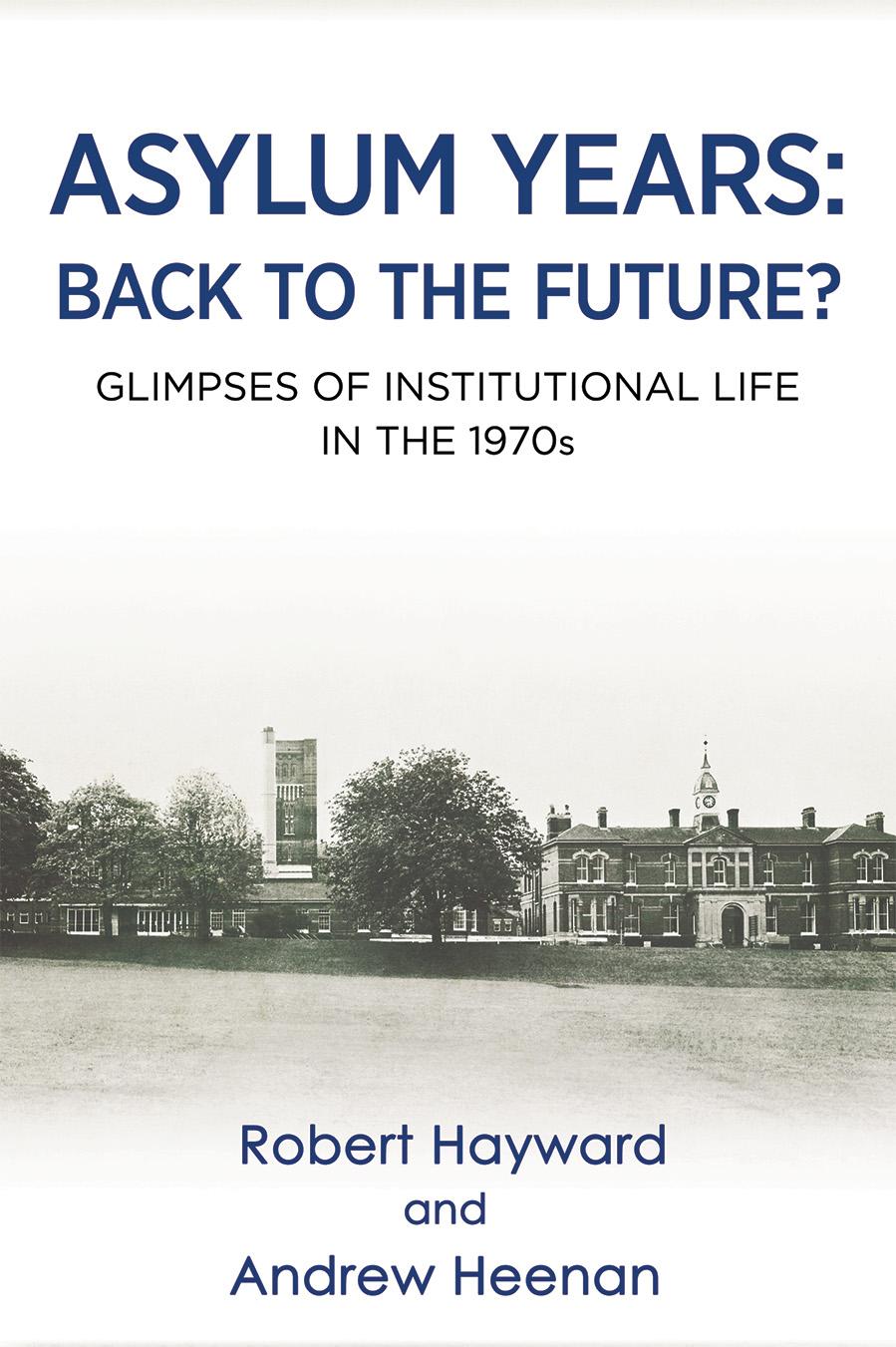
Has the legacy of the asylum era impacted on the thinking that underpins health policy today? Evidence gathered here from a number of people who worked in an asylum 50 years ago suggests that there is considerable inheritance from the institutional times that reinforce current mental health policy and mode of provision.
This book begins with a historical overview of mental health care and provides a detailed ethnographic account at the end of the 20th century; comparisons from this are examined in the context of present mental health care with a particular focus on underlying thinking which appears to differ less than that of the previous institutional years. Referring to more recent work, including user-led programmes, “mad studies” and emerging policy models, we explore alternatives that could challenge the philosophy or ethos that buttresses thinking about mental health policy and go some way to address the persistent marginalisation and inequalities experienced by people using mental health services.Payez facilement par carte, Klarna, Apple Pay ou Google Pay. Pas satisfait ? Vous avez toujours une garantie de remboursement de 14 jours. En savoir plus dans nos conditions. Si vous avez des questions, envoyez-nous un e-mail à hello@memmo.org.
Memmo facilite tes études, où que tu sois dans le monde. On rassemble tes manuels de cours et des outils d'étude intelligents au même endroit : résumés, quiz, podcasts et flashcards. Et il y a Ted, ton compagnon d'étude qui répond à toutes tes questions. Plus de 50 000 étudiants étudient déjà ici – conçu pour t'aider à apprendre plus vite et à moins stresser.