
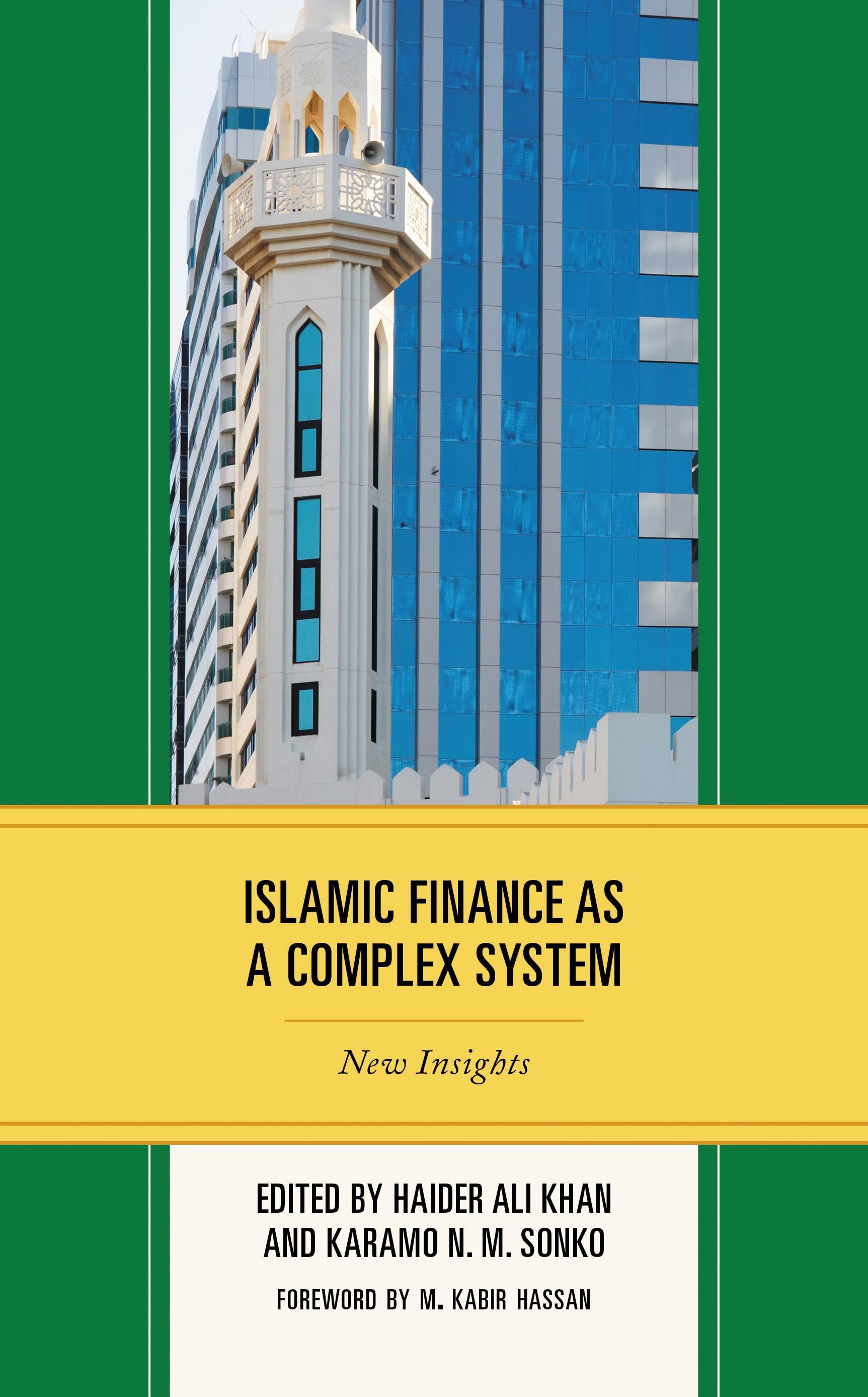
There has been a rapid increase in the interest in the study of Islamic finance, resulting in a dramatic rise in financing since the beginning of the century. By the end of 2017 global industry assets had reached $2.4 trillion and were forecasted to reach $3.2 trillion by 2020, despite historic challenges to Islam itself at the same time. This collection of chapters provides key theoretical, empirical, and policy insights into Islamic finance from an overall complex financial and economic systems perspective. Within the complex financial and economic systems framework, this book addresses questions such as how to conceptualize Islamic financial institutions in a nonlinear general equilibrium system, how to promote Islamic Finance in Africa, how “Islamic” is Islamic finance, and how it affects price stability, among other topics. The book provides case studies in Africa and Asia, addresses the subject in a structural financial CGE model, demonstrates the development impact of Islamic finance, and presents an Islamic version of the Iceland Plan for Monetary Reform.
Payez facilement par carte, Klarna, Apple Pay ou Google Pay. Pas satisfait ? Vous avez toujours une garantie de remboursement de 14 jours. En savoir plus dans nos conditions. Si vous avez des questions, envoyez-nous un e-mail à hello@memmo.org.
Memmo facilite tes études, où que tu sois dans le monde. On rassemble tes manuels de cours et des outils d'étude intelligents au même endroit : résumés, quiz, podcasts et flashcards. Et il y a Ted, ton compagnon d'étude qui répond à toutes tes questions. Plus de 50 000 étudiants étudient déjà ici – conçu pour t'aider à apprendre plus vite et à moins stresser.