
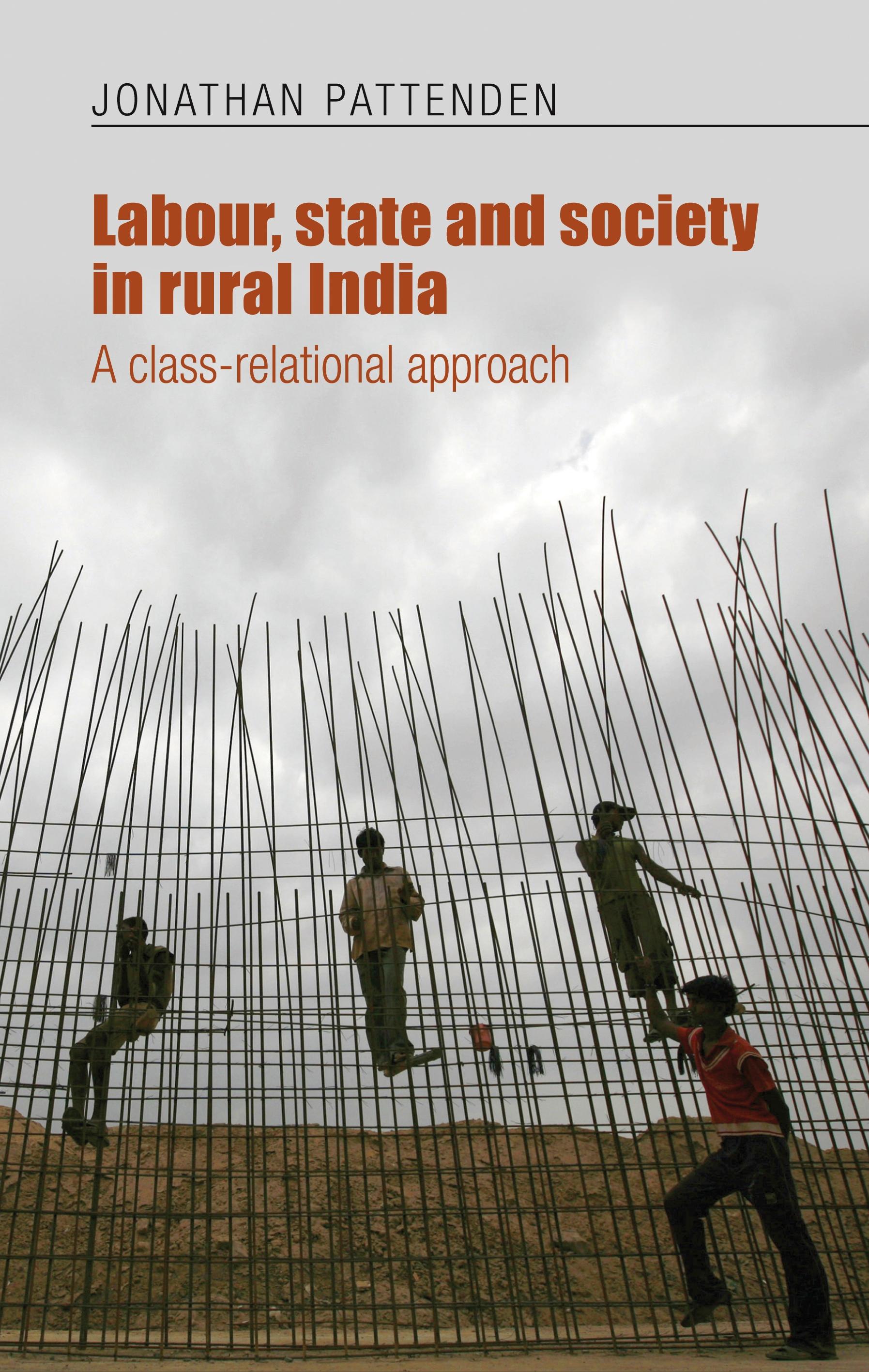
Behind India's high recent growth rates lies a story of societal conflict that is scarcely talked about. Across its villages and production sites, state institutions and civil society organisations, the dominant and less well-off sections of society are engaged in antagonistic relations that determine the material conditions of one quarter of the world's 'poor'. Increasingly mobile and often with several jobs in multiple locations, India's 'classes of labour' are highly segmented but far from passive in the face of ongoing exploitation and domination.
Drawing on over a decade of fieldwork in rural South India, the book uses a 'class-relational' approach to analyse continuity and change in processes of accumulation, exploitation and domination. By focusing on the three interrelated arenas of labour relations, the state and civil society, it explores how improvements can be made in the conditions of labourers working 'at the margins' of global production networks, primarily as agricultural labourers and construction workers. Elements of social policy can improve the poor's material conditions and expand their political space where such ends are actively pursued by labouring class organisations. More fundamental change, though, requires stronger organisation of the informal workers who make up the majority of India's population.
Payez facilement par carte, Klarna, Apple Pay ou Google Pay. Pas satisfait ? Vous avez toujours une garantie de remboursement de 14 jours. En savoir plus dans nos conditions. Si vous avez des questions, envoyez-nous un e-mail à hello@memmo.org.
Memmo facilite tes études, où que tu sois dans le monde. On rassemble tes manuels de cours et des outils d'étude intelligents au même endroit : résumés, quiz, podcasts et flashcards. Et il y a Ted, ton compagnon d'étude qui répond à toutes tes questions. Plus de 50 000 étudiants étudient déjà ici – conçu pour t'aider à apprendre plus vite et à moins stresser.