
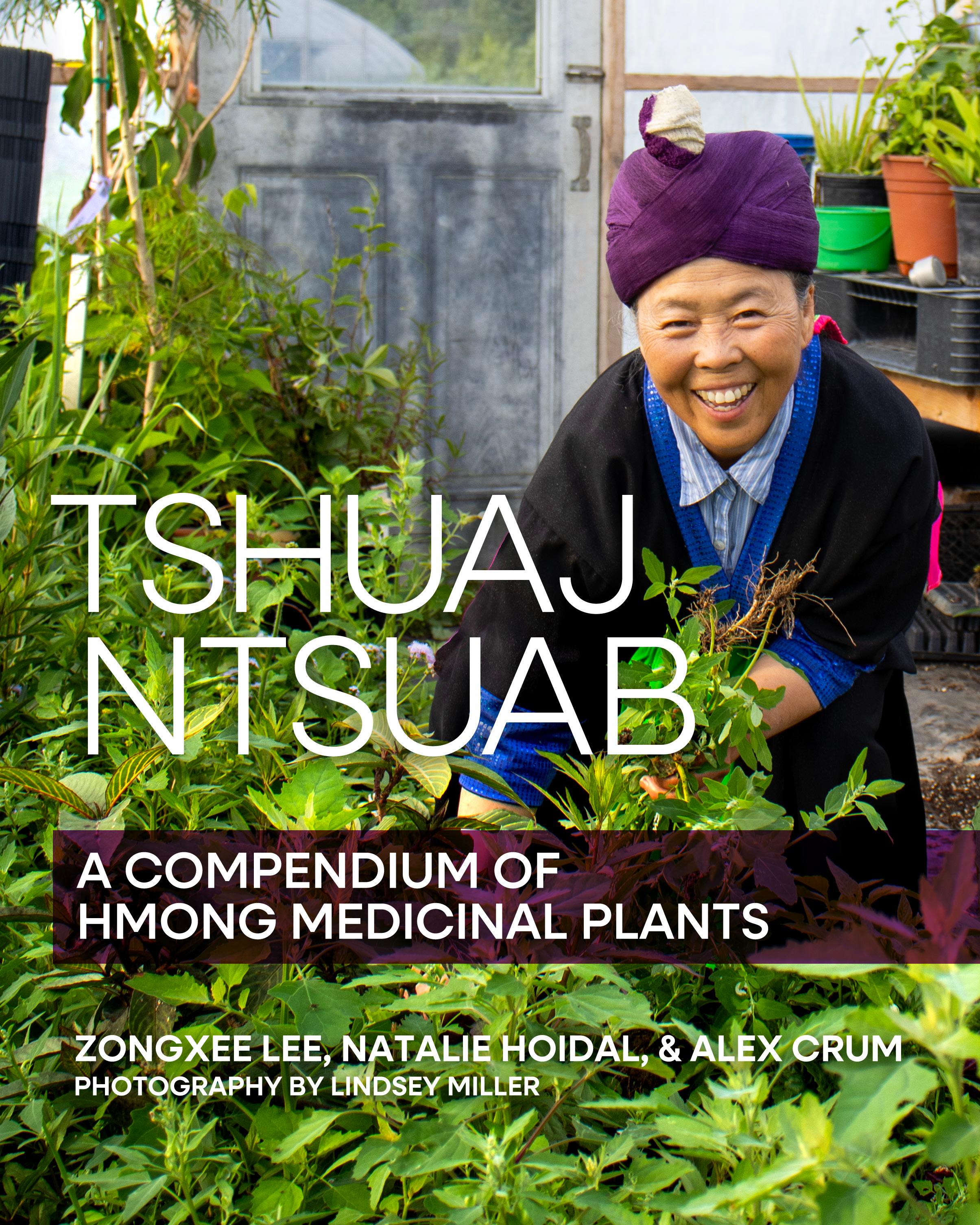
While many Hmong herbal medicine traditions have been lost or are no longer widely used, there is a special chicken diet with herbs that Hmong women traditionally follow for thirty days after giving birth. . . . The Hmong call this period “Nyob Nruab Hlis” or a month of restrictions and confinements. May’s family calls it “thirty days of purification” because it is a time to heal and realign the body after birth. This diet is thought to nourish the body with important vitamins and minerals, aiding in postpartum recovery. People who have used this diet postpartum report that it decreases vulnerability to illness and chronic conditions such as gastrointestinal problems, heartburn, prolapsed uterus or organs, and bowel or urine incontinence . . .
Thanks to the work of Zongxee, Mhonpaj, and May [described in Part I], some Twin Cities hospitals have begun to offer a simplified chicken soup option to Hmong people who give birth in their care. The herbs currently used in this setting are limited to those that have been easily identified: While the Lee family has extensive knowledge about these plants, without the scientific names hospitals were unable to verify that they could safely serve the full chicken soup diet to their patients. We hope this book will provide more information to instill confidence that this traditional diet can be safely utilized.
Payez facilement par carte, Klarna, Apple Pay ou Google Pay. Pas satisfait ? Vous avez toujours une garantie de remboursement de 14 jours. En savoir plus dans nos conditions. Si vous avez des questions, envoyez-nous un e-mail à hello@memmo.org.
Memmo facilite tes études, où que tu sois dans le monde. On rassemble tes manuels de cours et des outils d'étude intelligents au même endroit : résumés, quiz, podcasts et flashcards. Et il y a Ted, ton compagnon d'étude qui répond à toutes tes questions. Plus de 50 000 étudiants étudient déjà ici – conçu pour t'aider à apprendre plus vite et à moins stresser.