
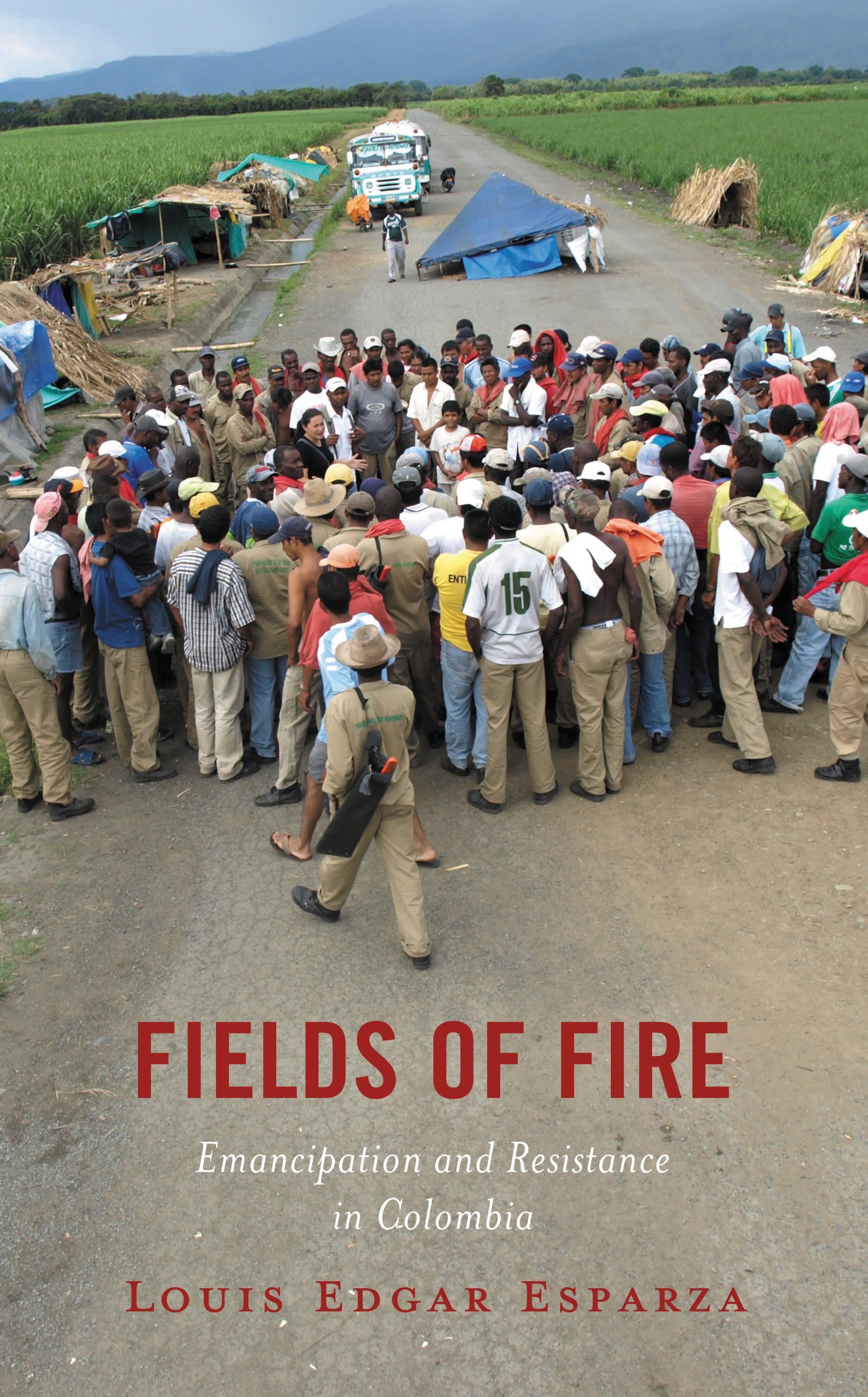
Fields of Fire: Emancipation and Resistance in Colombia identifies the concept of the emancipatory network as a coordination of loose, discrete, and differentiated actors to explain how activists successfully practice high-risk activism. Illustrating that previous studies on high-risk activism come to contradictory conclusions, Louis Edgar Esparza argues that networks rather than individual characteristics are associated with mobilization. The book features unique ethnographic material of a Colombian sugarcane worker strike and includes interviews with workers and human rights activists in Valle del Cauca and Bogotá that reveal different forms of knowledge that activists bring to a social movement. It argues that the combination of these different forms of knowledge bolsters the movement’s resiliency in the face of repression. The book provides a counterfactual chapter, illustrating a lack of mobilization where the emancipatory network is absent. Ultimately, it integrates English and Spanish-language social movement literatures, revealing important theoretical insights, and is detailed with data from various sources to outline the state context of social movement action.
Payez facilement par carte, Klarna, Apple Pay ou Google Pay. Pas satisfait ? Vous avez toujours une garantie de remboursement de 14 jours. En savoir plus dans nos conditions. Si vous avez des questions, envoyez-nous un e-mail à hello@memmo.org.
Memmo facilite tes études, où que tu sois dans le monde. On rassemble tes manuels de cours et des outils d'étude intelligents au même endroit : résumés, quiz, podcasts et flashcards. Et il y a Ted, ton compagnon d'étude qui répond à toutes tes questions. Plus de 50 000 étudiants étudient déjà ici – conçu pour t'aider à apprendre plus vite et à moins stresser.